


Reconstituted Stone Ornament
A reconstituted stone ornament brings classical dignity and character to a garden through weather-worn figures, lions, and urns.
Reconstituted Stone Ornament
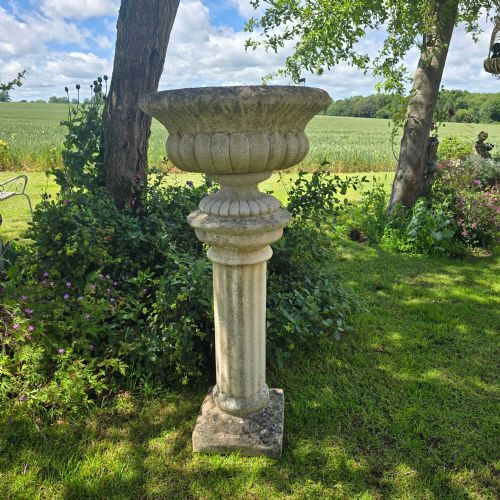
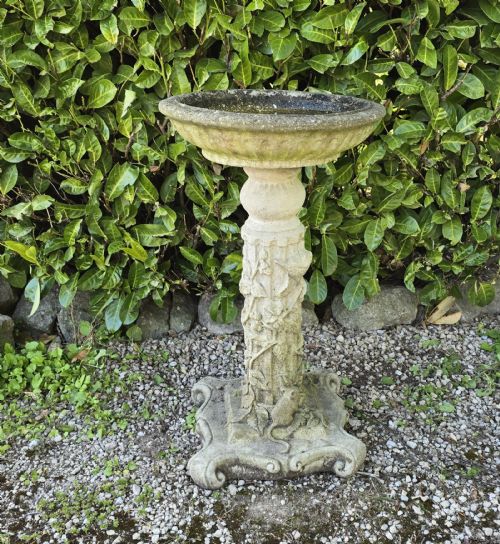
A reconstituted stone ornament encompasses garden statues, statuary, bird baths, urns, planters, gate finials, and architectural antiques designed for outdoor placement. Buyers search for these pieces to anchor garden landscaping with sculptural presence and established architectural weight.
The selections span periods from the nineteenth century through the Edwardian era and into the mid-twentieth century, including specific dates such as nineteen hundred, nineteen ten, nineteen twenty, nineteen thirty, nineteen forty, and nineteen fifty. Classical revival, neoclassical, English country house, and folk art styles dominate the inventory.
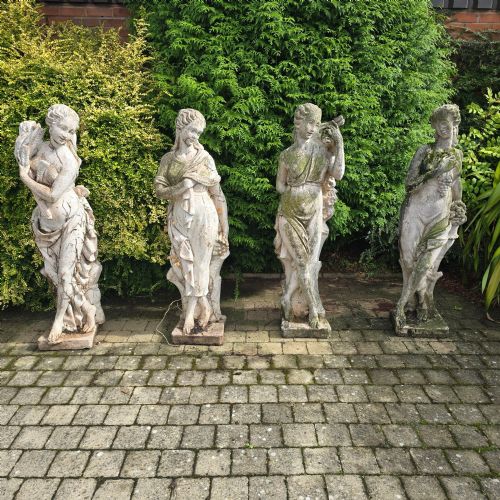
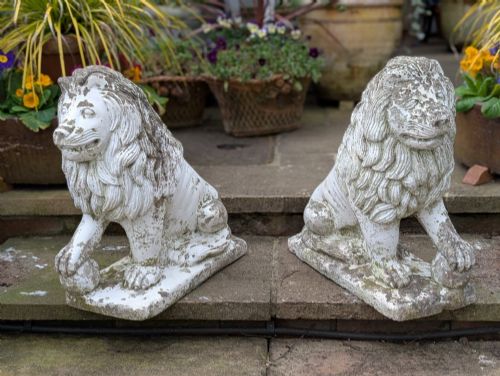
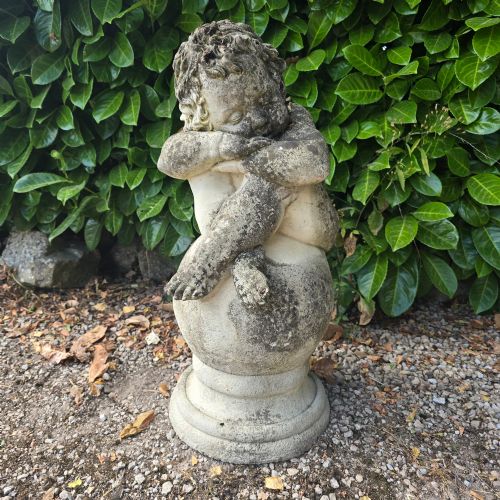
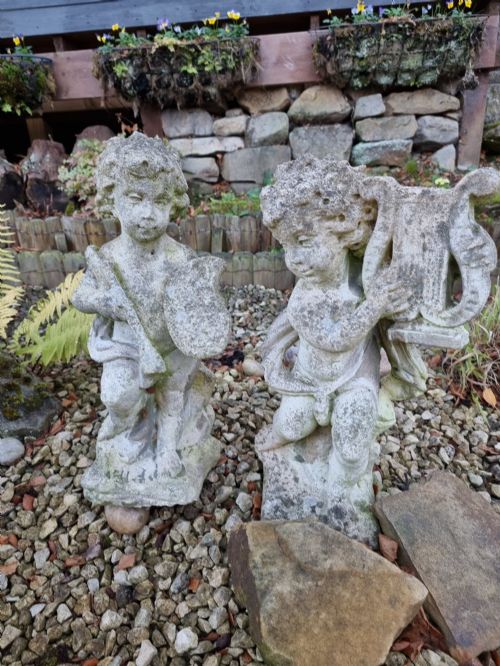
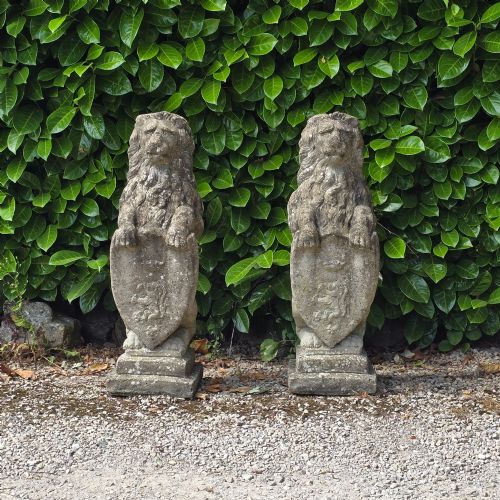
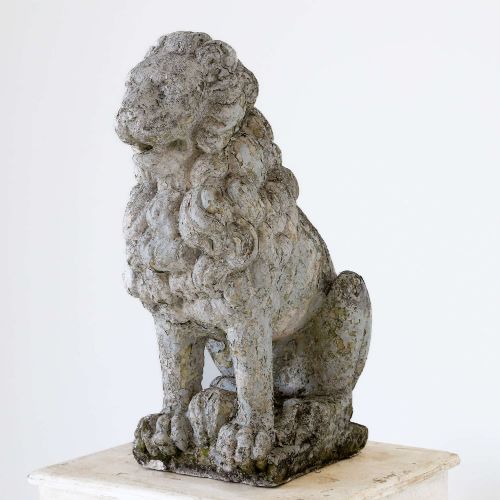
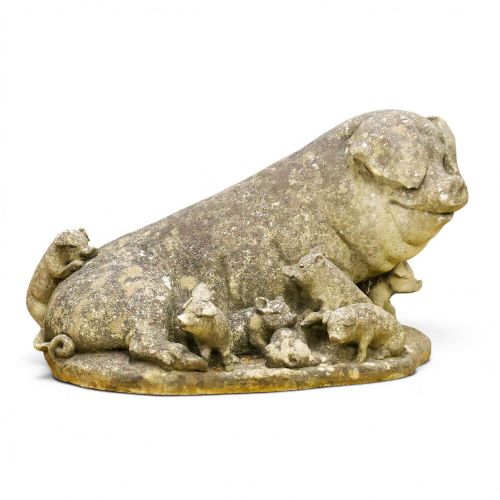
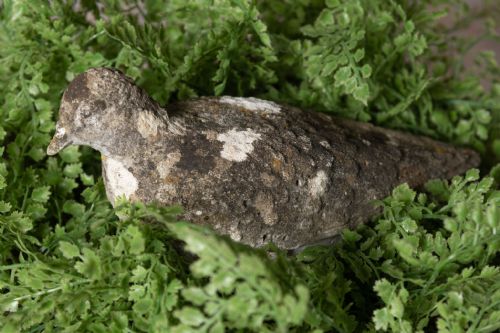
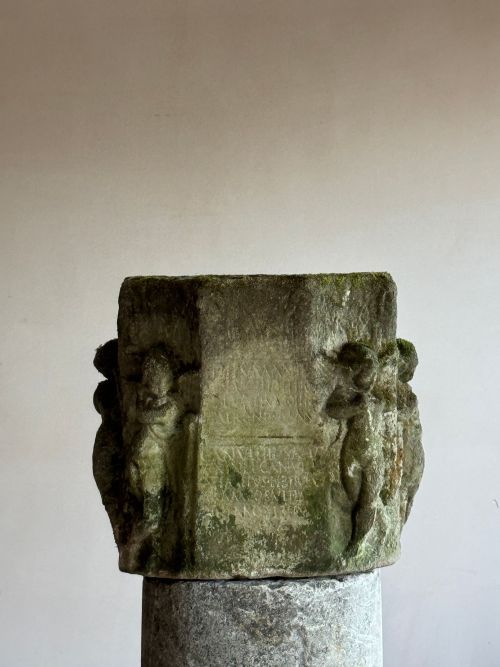
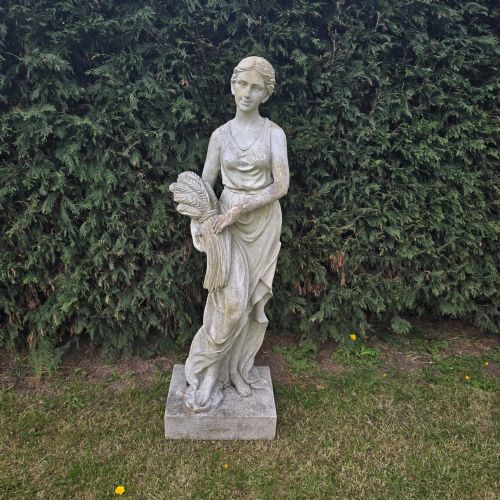
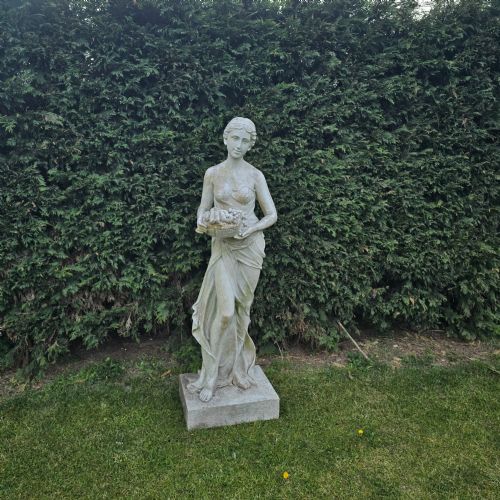
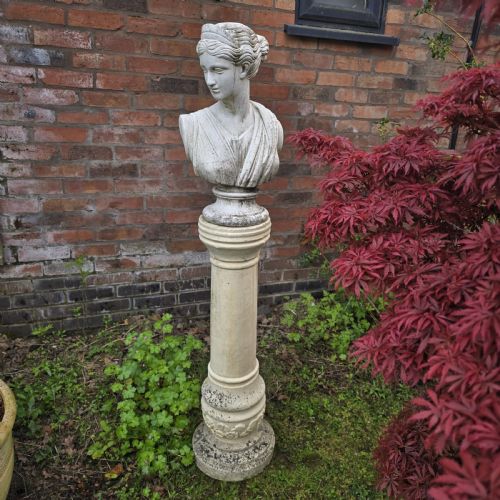
Figures of lions, cherubs, seasons, and mythological subjects like Athena, Venus, and David appear frequently on pedestals or plinths. Animal forms also include pigs with piglets, pigeons, and guardian lions intended for gates or walls.
Materials and construction
Makers utilised reconstituted stone, cast stone, composite stone, and standard concrete mixed with sand and aggregates to cast durable garden objects. Some items retain original old paint applied over the stone surface to enhance detail.
Cast techniques allowed workshops to produce complex forms including campana urns, floral basket finials, and large figural groups like the Four Seasons. Weathering over decades creates natural patinas across these solid composite materials.
A cast stone sow accompanied by seven concrete piglets brings a charming slice of farmyard life directly onto the garden lawn.
Assessing quality in garden stone
The degree and character of natural weathering contribute significantly to the appeal of a piece, showing how well the composite stone or paint has aged outdoors. Substantial scale and complete components, such as matching pedestals and plinths, elevate the architectural presence of the ornament.
The Reconstituted Stone Ornament Glossary
- Reconstituted stone
- A manufactured material made from crushed or graded stone aggregate bound with cement, cast in moulds to imitate natural stone. It provides a durable medium for garden statuary and architectural ornaments.
- Campana urn
- A bell-shaped garden vessel with an everted rim, often mounted on a pedestal. These classical forms serve as prominent focal points in traditional garden design.
- Finial
- A decorative architectural ornament placed at the apex of a gatepost, wall, or pier. Floral baskets and seated lions frequently serve this structural purpose.
- Plinth
- A heavy base or block supporting a statue, bust, or urn. It elevates the ornament above ground level to command attention in a garden scheme.
Reconstituted Stone Ornament: Frequently Asked Questions
How do I care for a reconstituted stone ornament?
These pieces tolerate outdoor conditions well due to their robust concrete and composite stone construction. Regular gentle cleaning prevents moss accumulation from obscuring surface details.
Protecting vulnerable pieces during severe frost prevents moisture expansion within the stone aggregate. Natural weathering improves the appearance over time without requiring chemical treatments.
Where should I place a garden urn or statue?
Large campana urns and figural statues suit focal points at the end of paths or centre points of lawns. Pairs of lions or finials anchor gateposts and structural garden boundaries effectively.
Placing items on sturdy stone pedestals or plinths raises them to eye level. This placement integrates the sculpture with surrounding planting schemes and architecture.
How do I identify the age of these ornaments?
Nineteenth-century and Edwardian pieces often display sharper neoclassical detailing and deeper patination from extended exposure. Mid-twentieth-century examples frequently include specific regional castings and distinct figural styles.
Examine the surface texture, presence of original paint layers, and weathering patterns. These physical indicators reveal the length of time the piece has stood outdoors.
What subjects are common in vintage garden statuary?
Classical mythology provides numerous subjects, including Venus, Athena, David, and allegorical figures representing the Four Seasons. Animal representations such as guardian lions, birds, and farm animals also feature prominently.
Architectural elements like funerary altars and floral basket finials offer formal garden decoration. Cherubs and putti appear frequently in various sizes across multiple eras.