


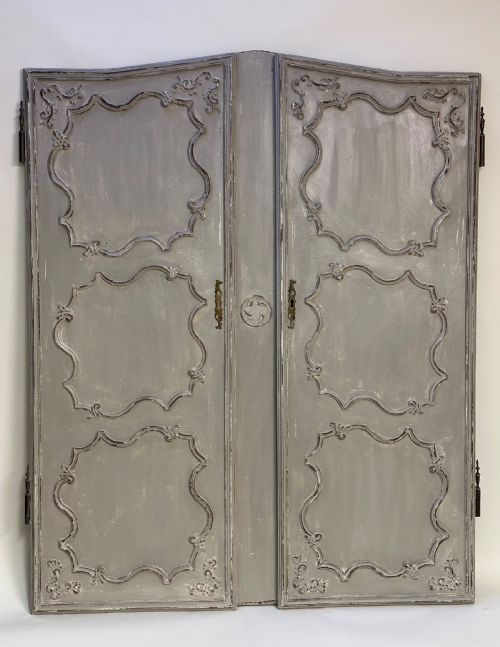


Reclaimed Wood Doors
Reclaimed wood doors bring enduring timber character into modern spaces, offering seasoned panels and architectural presence gathered from historic buildings.
Reclaimed Wood Doors
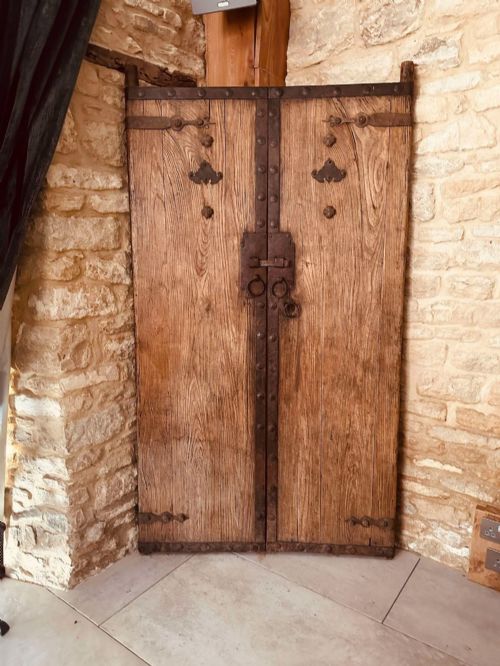
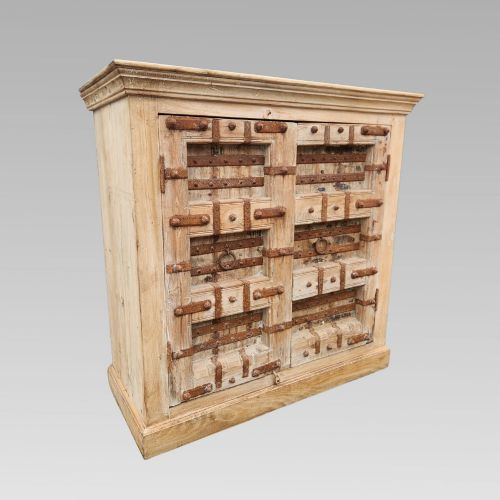
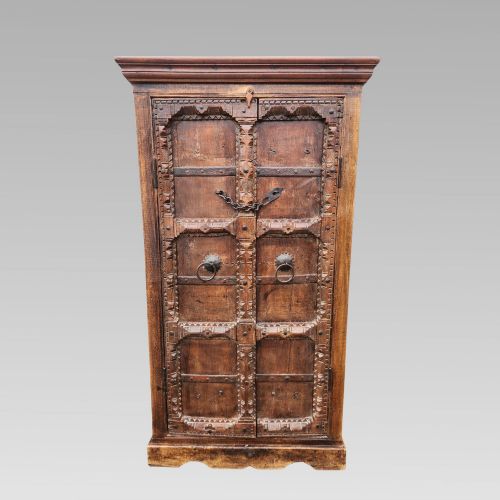
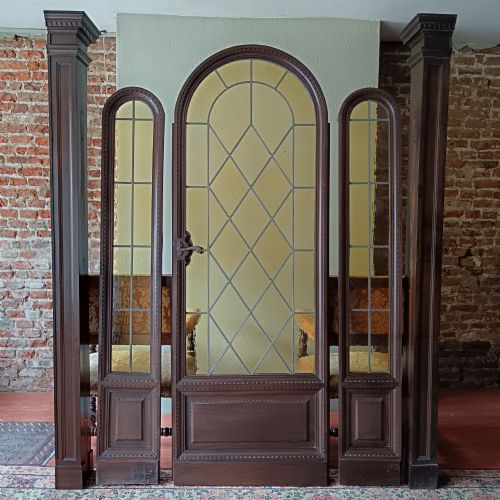
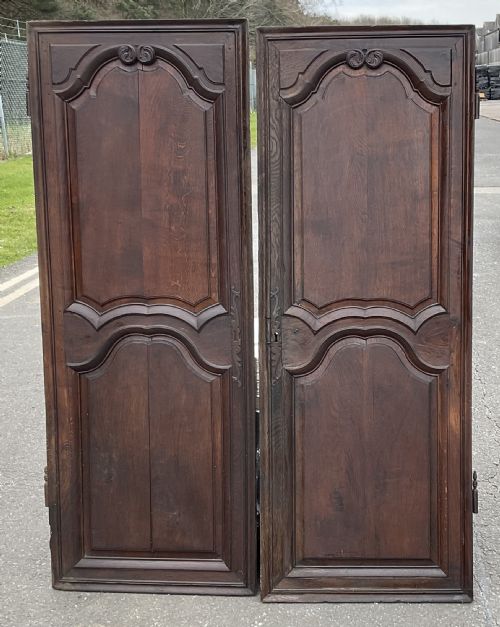
Reclaimed wood doors encompass substantial architectural salvage and repurposed structural elements sourced from period buildings across multiple eras. Buyers browsing this selection encounter sturdy examples ranging from Victorian entrance screens and Italian vestibule doorways to French provincial armoire panels.
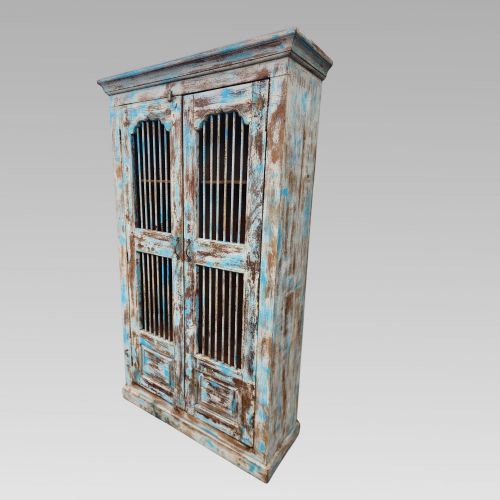
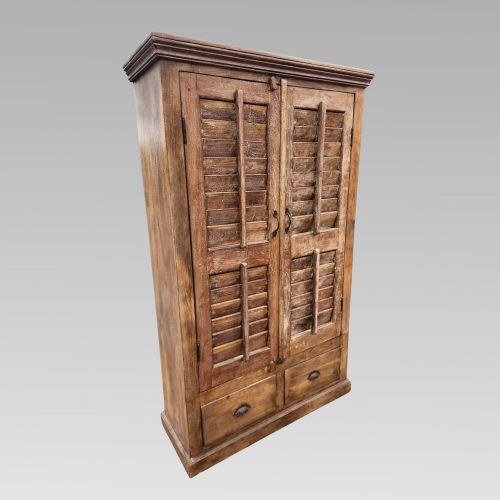
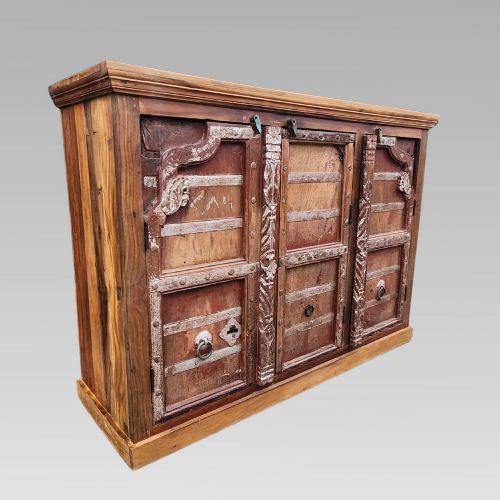
The most common variants met on this page include traditional Indian teak storage cupboards and wardrobe doors alongside European architectural timberwork. These pieces span the eighteenth century through to the early twentieth century, incorporating styles such as Gothic Revival, French Provincial, and Rustic Indian.
Builders and interior designers seek these items to introduce authentic history and patinated timber surfaces into contemporary renovations. Each piece retains the marks of its previous architectural life, offering structural solidity combined with distinctive period detailing.
How they were made
Construction relies heavily on dense hardwoods such as teak, oak, walnut, and rosewood, chosen for their long-term durability and structural stability. Artisans utilised traditional joinery techniques, including panel and frame construction, to accommodate the natural movement of seasoned timber.
Surface treatment varies from original hand-painted finishes to exposed grain sealed with historic layers of wax or varnish. Hardware components like brass or iron handles, hinges, and the occasional ebony door knob were integrated to complete each functional architectural element.
Reclaimed Wood Doors Retail Price Guide 2026
Typical asking prices for reclaimed wood doors among the pieces listed under this phrase on Sellingantiques today, from the lower quarter to the upper quarter. They describe what is for sale here now, not the wider market.
Somewhere out there, an eighteenth-century French cabinet maker is smiling to know their wardrobe doors now anchor a modern hallway.
What varies in quality
The distinction between standard utility salvage and superior craftsmanship lies in the depth of hand-carved detail and the integrity of the original timber. Pieces featuring intricate linenfold panels, deliberate joinery, or well-preserved hand-painted surfaces represent the upper tier of the range.
Subtleties in proportion, the weight of the underlying hardwood, and the survival of period-correct iron or brass hardware elevate certain examples above simpler vernacular items. Condition remains tied to the original stability of the timber frame rather than modern restoration.
The Reclaimed Wood Doors Glossary
- Architectural salvage
- Building materials and fixtures rescued from structures slated for demolition or alteration. These items retain historic character and material quality difficult to replicate in modern production.
- Linenfold
- A style of wooden panel ornamentation carved to resemble folded folds of linen fabric. This technique gained prominence in late medieval and Gothic architecture.
- Vestibule doorway
- An inner entranceway or framed screen incorporating doors designed to create a draught lobby within a building. They often feature glazed upper panels and substantial timber framing.
- Armoire
- A large wardrobe or cupboard historically used for storing clothing or linens. French examples frequently showcase polished walnut and panelled timber doors.
- Louvre door
- A door fitted with horizontal timber slats that permit ventilation while maintaining privacy. They appear in period storage cupboards and wardrobe fronts.
Reclaimed Wood Doors: Frequently Asked Questions
How do I install an antique door?
Installation typically requires a professional joiner to adjust the historic timber frame and fit modern hinges securely. Because older wood can warp or settle over decades, careful plane work ensures proper alignment within a standard opening.
Hardware placement also demands attention, particularly when matching original iron or brass handles and latches to contemporary door frames without splitting the aged material.
Can these doors be used outside?
Most antique wooden doors are best suited for interior use or sheltered exterior positions such as covered porches. Exposure to direct rain and fluctuating temperatures can degrade historic painted finishes and cause seasoned hardwoods to crack.
Applying a suitable protective finish helps preserve the timber if placed in more demanding locations around a property.
How do I clean painted wooden doors?
Maintenance requires gentle dusting with a dry microfibre cloth to remove surface particles without disturbing delicate historic paint layers. Avoid harsh chemical cleaners or abrasive scouring pads that strip patinated pigments.
Applying a specialist wax can nourish older timber surfaces where the original paint has worn away over generations of use.
Are period door sizes standard?
Historical timber dimensions rarely conform to modern modular building standards, varying significantly by region and architectural style. Measuring the exact opening height, width, and rebate depth before purchase prevents fitting issues during installation.
Many buyers adapt the surrounding door frame or incorporate side panels to accommodate these unique historical measurements.