

Queen Anne Vanity
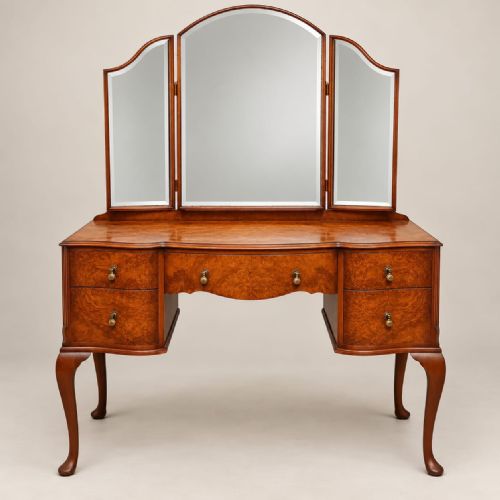
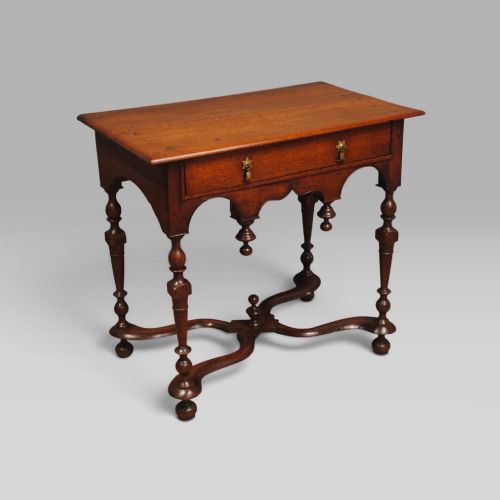
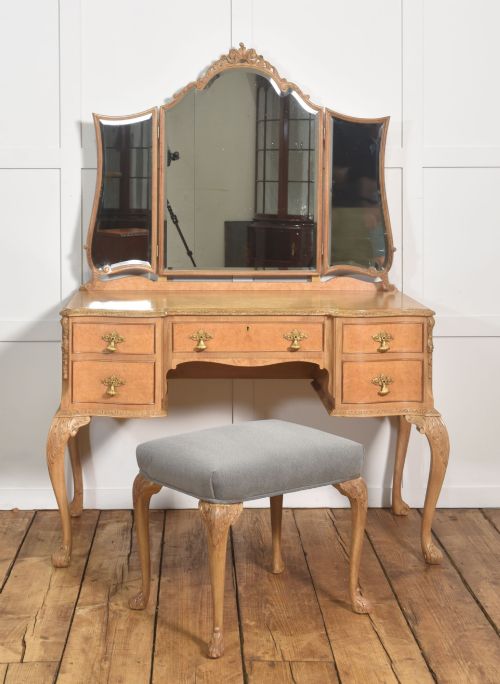
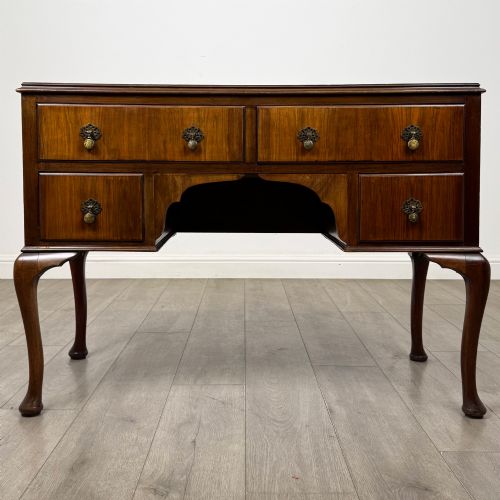
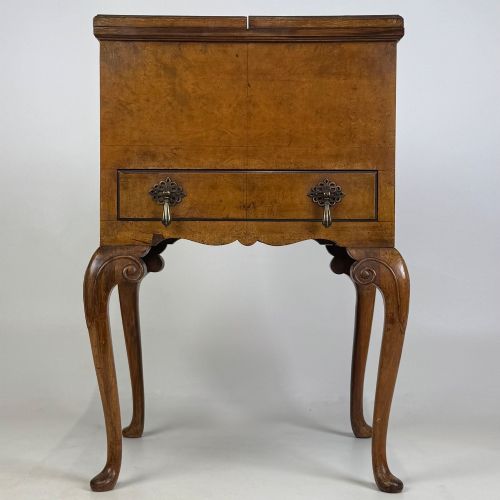
These queen anne vanity pieces, encompassing dressing tables, desks, lowboys, and matching stools, offer a graceful form for a bedroom or dressing room.
Queen Anne Vanity
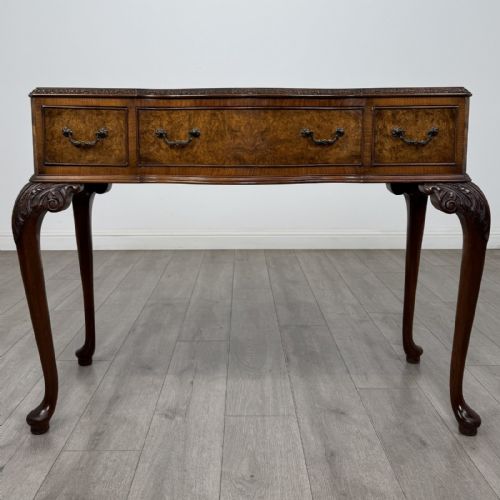
A queen anne vanity selection brings together lowboys, dressing tables, writing desks, and accompanying stools that reflect the fluid lines associated with the style. Many of these forms date from the early eighteenth century, though a large proportion of the available examples originate from later revivals during the Edwardian period and the early twentieth century.
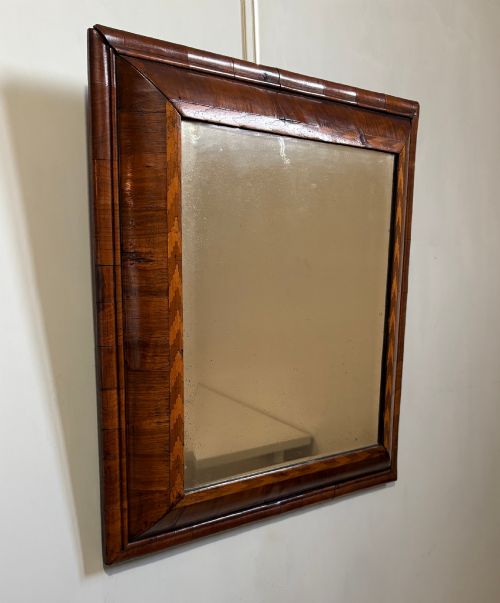
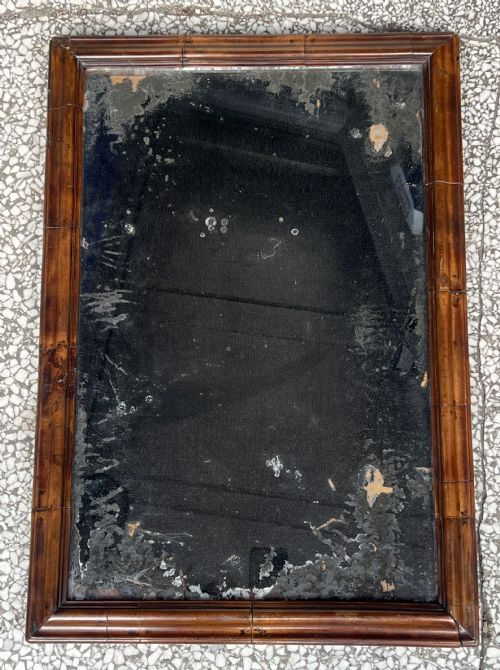
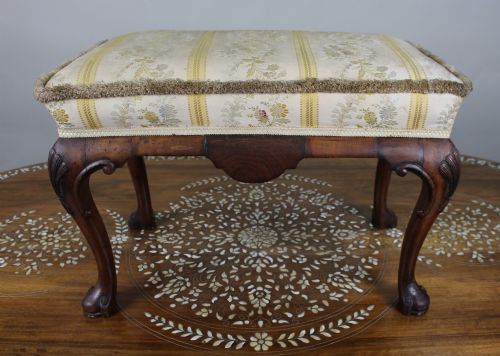
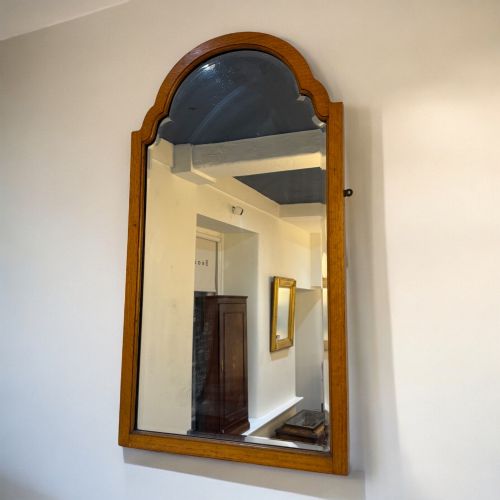
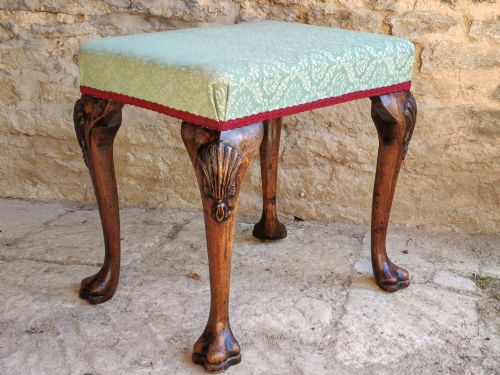
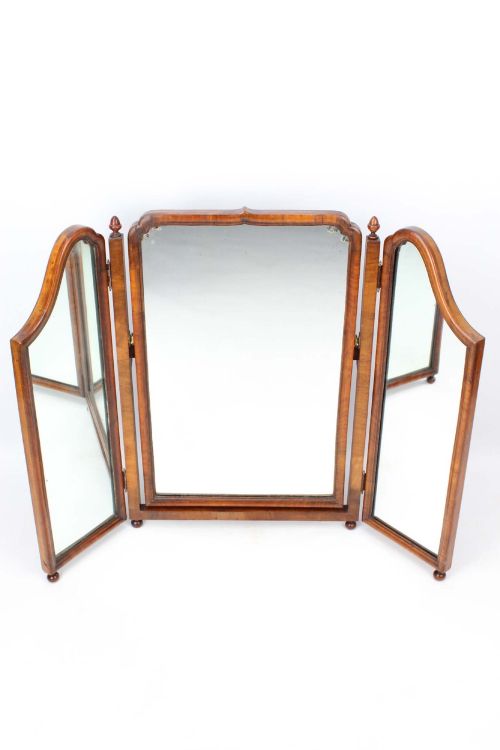
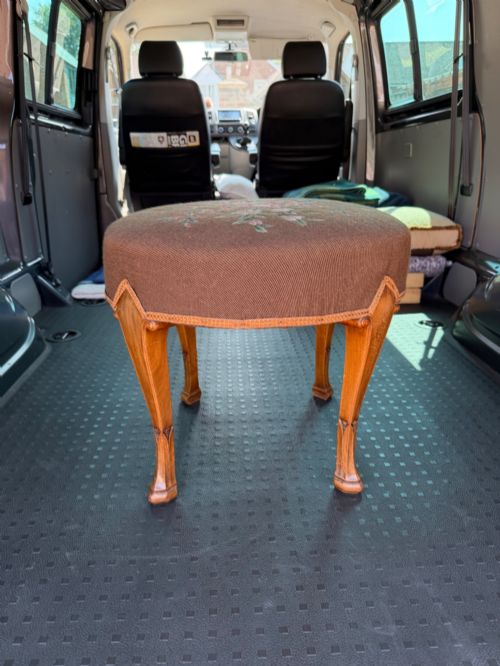
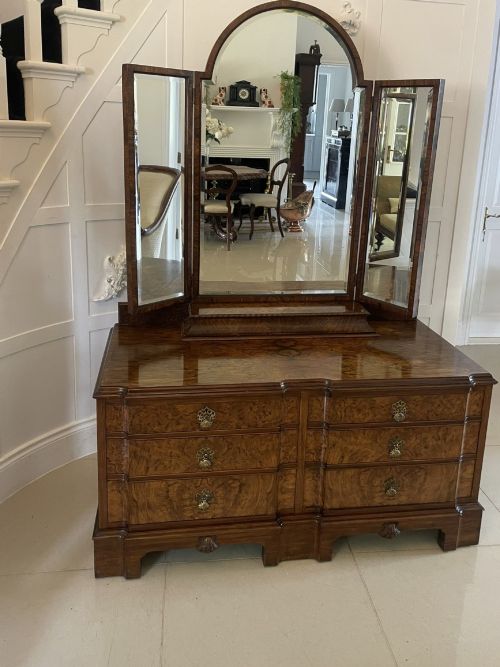
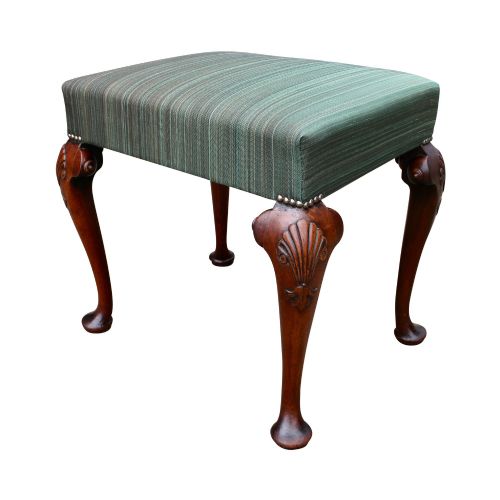
The assortment includes specialised pieces such as toilet mirrors and wall mirrors alongside larger kneehole desks and serpentine fronted writing tables. Stools frequently accompany the dressing tables, upholstered in textiles or needlepoint, completing the traditional grooming suite.
Origins span domestic cabinet makers of the Georgian era through to twentieth-century workshops, with occasional international pieces like Chinese export dressing mirrors appearing in walnut and burr walnut.
How they were made
Walnut and burr walnut dominate the construction of these items, providing rich grain patterns that are often enhanced with veneers. Subsidiary timbers include oak, while decorative accents incorporate laburnum, brass hardware, and green tooled leather writing surfaces.
Surface decoration extends beyond timber veneers to include specialised techniques such as chinoiserie lacquering and ebonising. Glass forms an integral part of the dressing mirrors and wall mirrors, while seats utilise fabric and textile upholstery over traditional frames.
Queen Anne Vanity Retail Price Guide 2026
Typical asking prices for queen anne vanity among the pieces listed under this phrase on Sellingantiques today, from the lower quarter to the upper quarter. They describe what is for sale here now, not the wider market.
One Edwardian stool comes helpfully certified by its previous owner as simply so versatile and functional.
What varies in quality
The distinction between standard production and the finest items rests upon the choice of timber figure, particularly the depth and movement within burr walnut veneers. Superior pieces display careful book-matching of grain across drawer fronts and table tops, creating a balanced visual harmony.
Execution of carved details, such as the shaping of cabriole legs and the integration of brass drawer pulls, determines the refinement of the finished object. Original mirror glass and intact period upholstery further elevate the standing of surviving eighteenth-century examples.
Wylie and Lochhead Glasgow·Maples of London
The Queen Anne Vanity Glossary
- Cabriole leg
- A furniture leg that curves outward at the knee and tapers inward toward the foot, mimicking animal limbs. This form is a defining characteristic of the style.
- Lowboy
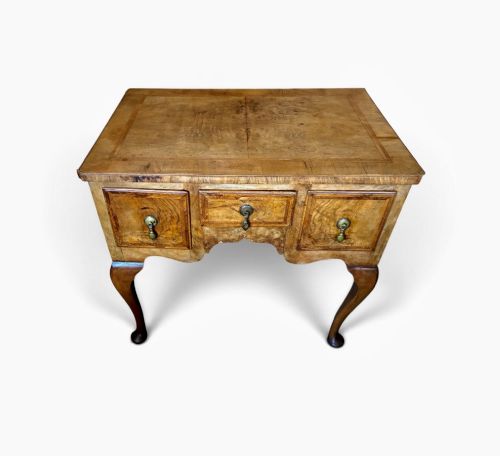
- A small side table or dressing table featuring drawers, typically raised on four tall legs. They were frequently used for personal grooming or as writing surfaces.
- Kneehole desk
- A compact desk featuring a recessed central space for the user's legs, flanked by pedestals of small drawers. They often incorporate leather-inset top surfaces.
- Toilet mirror
- A small adjustable mirror mounted on a miniature chest or frame, designed to sit atop a dressing table or chest of drawers. Also referred to as a dressing mirror.
- Chinoiserie
- European decorative style employing simulated Chinese motifs and techniques, often executed in lacquer on furniture surfaces. It appears on specialised dressing tables.
- Burr walnut
- Wood taken from a walnut tree outgrowth, prized for its swirling, intricate grain patterns. It is sliced into fine veneers for high-status cabinet work.
Queen Anne Vanity: Frequently Asked Questions
What is a lowboy used for?
A lowboy serves as a compact table with drawers, originally utilised for personal grooming or as a writing surface in dressing rooms.
Today, these versatile pieces function well as side tables, small desks, or hallway furniture in modern interiors.
How do I distinguish eighteenth-century pieces from later revivals?
Eighteenth-century examples display construction methods, timber patination, and wear consistent with early cabinet making techniques.
Later Edwardian and twentieth-century revivals often utilise machine-prepared timbers and standardised hardware while closely imitating the historic forms.
Are stools usually sold with dressing tables?
Stools frequently accompany dressing tables and lowboys, either as matching original suites or as complementary later pairings.
These seats feature upholstered tops, often in needlepoint or period textiles, designed to tuck neatly beneath the kneehole space.
How do I care for burr walnut surfaces?
Burr walnut requires protection from direct sunlight and excessive moisture to prevent the delicate veneers from lifting or fading.
Regular dusting with a soft, dry cloth and occasional application of appropriate furniture wax helps maintain the timber's sheen.