




Queen Anne Oak Furniture
Queen Anne oak furniture brings together the honest joinery of the early eighteenth century and the elegant proportions of the period.
Queen Anne Oak Furniture
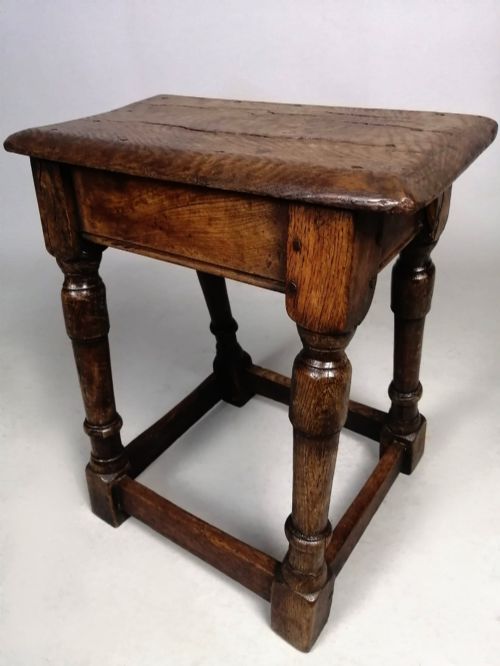
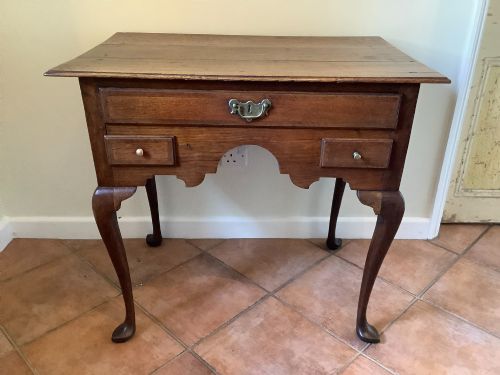
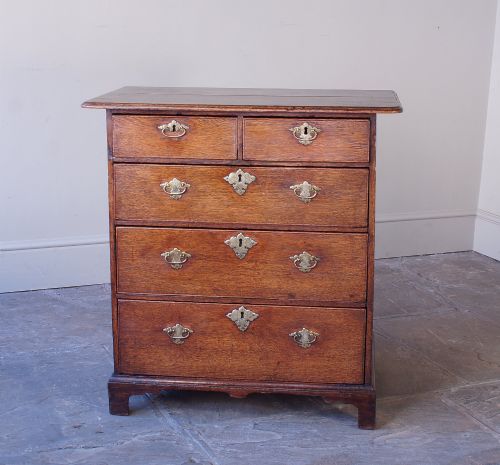
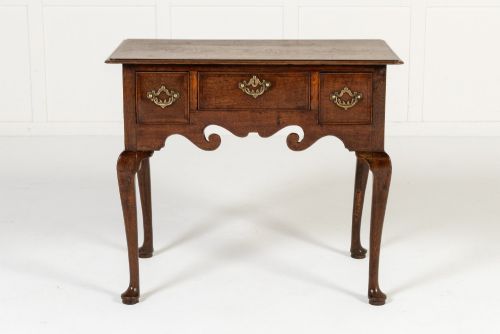
When you search for queen anne oak furniture, you enter a domestic world defined by lowboys, side tables, and chests on stand created in the eighteenth century.
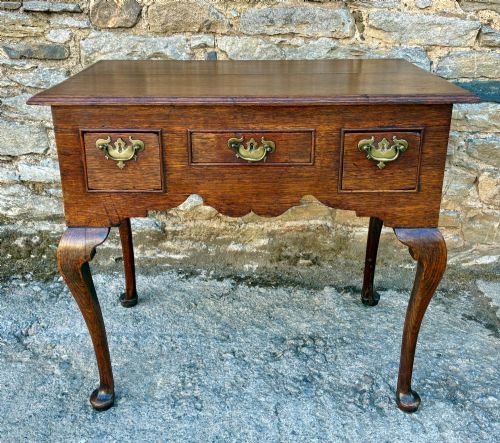
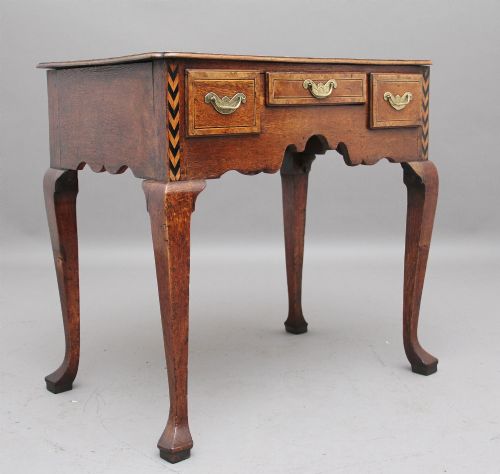
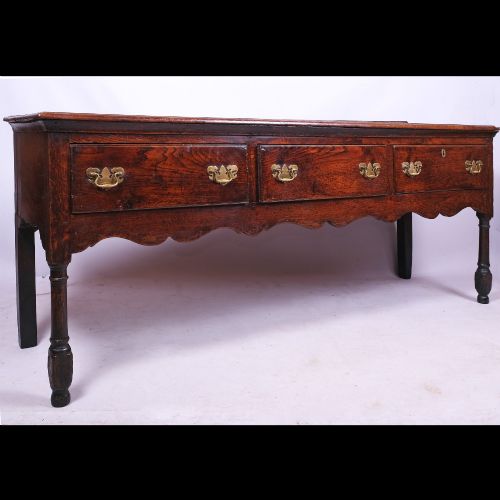
The lowboy appears most frequently on this page, often built in regional workshops with simple drawers and slender supports.
Chairs and dining seats from the same era combine sturdy elm frames with high backs shaped for the sitter.
Alongside straightforward oak pieces, the selection includes walnut and burr walnut furniture representing the broader taste of early Georgian households.
Materials and Technique
Cabinet makers built these pieces using solid oak, walnut, and elm, frequently selecting fruitwood for inlaid decoration and banding.
Advanced surfaces employed burr walnut veneer laid over solid carcases to create rich grain patterns across drawer fronts and table tops.
Brass handles and escutcheons secured with traditional pins provide the hardware for chests of drawers and desks.
Queen Anne Oak Furniture Retail Price Guide 2026
Typical asking prices for queen anne oak furniture among the pieces listed under this phrase on Sellingantiques today, from the lower quarter to the upper quarter. They describe what is for sale here now, not the wider market.
The listings combine oak, walnut, and burr walnut furniture with regional items made from elm, fruitwood, and brass.
Judging Quality
The distinction between ordinary and exceptional pieces lies in the crispness of the shaping and the preservation of original surfaces.
Country-made examples show simpler construction and heavier timbers, whereas pieces finished with banded veneers demand finer hand-cut joinery.
Items retaining their early brass mounts and uncompromised timber patination stand apart from those altered by later restoration.
The Queen Anne Oak Furniture Glossary
- Lowboy
- A small dressing table or side table fitted with drawers and standing on relatively tall legs.
- Chest on stand
- A chest of drawers raised upon a separate framed base, typical of the early eighteenth century.
- Walnut
- A dense timber utilised for high-status cabinet work, often cut to reveal decorative burr patterns.
- Bandings
- Thin strips of contrasting wood inlaid around the edges of drawer fronts and table tops.
- Vernacular
- Furniture made by regional craftsmen for local use rather than high urban workshops.
Queen Anne Oak Furniture: Frequently Asked Questions
What is a lowboy used for?
A lowboy served as a compact dressing table or writing surface in eighteenth-century bedrooms and parlours.
Today these versatile tables function well as side tables or compact desks in modern hallways and studies.
How do I identify oak from walnut?
Oak displays a pronounced open grain with visible medullary rays and a warm honey tone.
Walnut presents a smoother, darker surface with intricate grain figures that often include swirling patterns.
Are these pieces from the eighteenth century?
The majority of items originate from the early 18th century and the Georgian era, spanning country houses and provincial workshops.
A few later nineteenth-century revival pieces also appear alongside the authentic period items.
Where should I place a chest on stand?
A chest on stand works best against a solid wall where its vertical height and elevated base remain fully visible.
Avoid placing these items in direct sunlight to protect the fragile veneers and historic timber surfaces.