


Queen Anne Lacquered Furniture
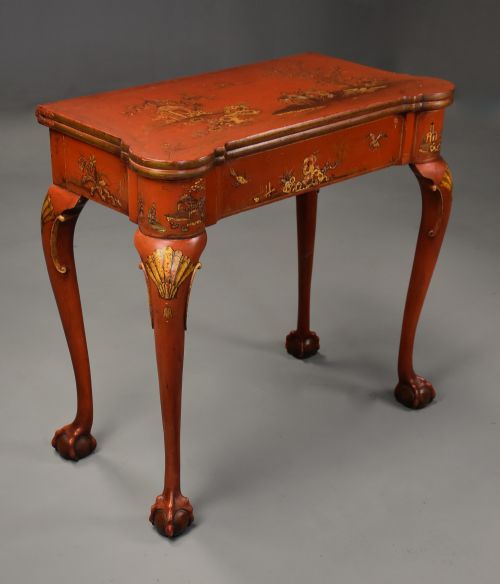
These pieces of queen anne lacquered furniture bring brilliant chinoiserie decoration and rich japanned surfaces into a room.
Queen Anne Lacquered Furniture
When you search for queen anne lacquered furniture, you encounter striking items decorated with raised motifs, gilt figures, and oriental landscapes on dark or red grounds. The form spans genuine eighteenth-century survivals from the seventeen-hundreds alongside later revival pieces made in the early twentieth century.
You are most likely to meet side chairs, games tables, and small stands, alongside dressing mirrors and chests on stands. These functional domestic items demonstrate the period taste for imitation Asian lacquer work produced by European craftsmen.
The aesthetic bridges the William and Mary and Queen Anne periods, carrying high-backed silhouettes or cabriole legs beneath elaborate surface painting. Each piece combines structural cabinetmaking with pictorial narration across doors, panels, and tabletops.
How they were made
Workshops built the foundational carcasses using native woods like pine and various hardwoods before applying multiple layers of size and varnish to create a smooth ground. Artisans then built up relief details using gesso before applying gold leaf and fine polychrome painting.
Hardware played a structural and decorative role, with brass handles, escutcheons, and hinges fitted to drawers and cabinet doors. The resulting surfaces received protective clear coatings to seal the intricate pictorial scenes.
Listings feature periods spanning from seventeen hundred through the early twentieth century, incorporating wood, brass, and glass.
What varies in quality
The sophistication of the hand-painted Chinoiserie figures and the depth of the built-up gesso relief separate ordinary examples from finer works. Superior pieces display crisp perspective, delicate gold leaf work, and subtle tonal gradations within the lacquered ground.
The integrity of the underlying woodwork and the survival of the original japanned surface determine the overall standard. Later revivals from the nineteen-twenties and thirties vary in the artistic competence of the painted decoration compared to period originals.
The Queen Anne Lacquered Furniture Glossary
- Japanned
- European imitation of East Asian lacquerwork, created by building up resin layers and decorative metallic dust on wooden furniture. This technique gained immense popularity during the seventeenth and eighteenth centuries.
- Chinoiserie
- European artistic style reflecting Chinese motifs and decorative tropes, frequently applied to furniture and ceramics. Artists used imagined landscapes, pagodas, and figures in their painted schemes.
- Cabinet on stand
- Elevated storage furniture consisting of a main enclosed cabinet resting on a separate supporting frame with legs. These forms showcased elaborate surface decoration at eye level.
- Cabriole leg
- Furniture support curved in a double curve resembling the leg of an animal, terminating in a foot. This characteristic shape defines much of the furniture from the period.
- Lowboy
- Small side table with drawers, typically standing on four legs and used for various domestic storage tasks. They often received matching japanned decoration to complement larger cabinets.
Queen Anne Lacquered Furniture: Frequently Asked Questions
Are these pieces from the eighteenth century?
The selection includes genuine pieces dating back to the seventeen-hundreds alongside revival items made during the early twentieth century. Examining the construction methods and wood ageing helps clarify the specific date of manufacture.
Craftsmen in later decades deliberately reproduced the earlier styles using similar decorative techniques, creating an overlap in visual appearance between periods.
How should I clean japanned surfaces?
Dust surfaces gently with a soft, dry cloth without applying modern chemical polishes or water. Preserving the delicate gold leaf and painted layers requires minimal intervention.
Keep these items away from direct sunlight and excessive humidity to prevent the underlying wood and lacquer from cracking or fading.
What is a dressing mirror?
A dressing mirror is a small tabletop glass mounted on a pivoting frame above a miniature chest or bureau base. They provided a reflective surface for grooming while offering small drawer compartments for valuables.
Cabinetmakers decorated these compact pieces with the same intricate Chinoiserie lacquer scenes found on larger furniture.
How do I spot a revival piece?
Twentieth-century revival items often show machine-cut timber elements and standardised hardware beneath the decorative surface. The paint application can appear more uniform and lack the subtle crackle of genuine age.
Comparing the construction details of the carcase to known eighteenth-century joinery reveals the true age of the object.