



Qing Style Table Lamp
A qing style table lamp brings centuries of ceramic artistry into a room, pairing hand-painted porcelain with the warm glow of modern illumination.
Qing Style Table Lamp
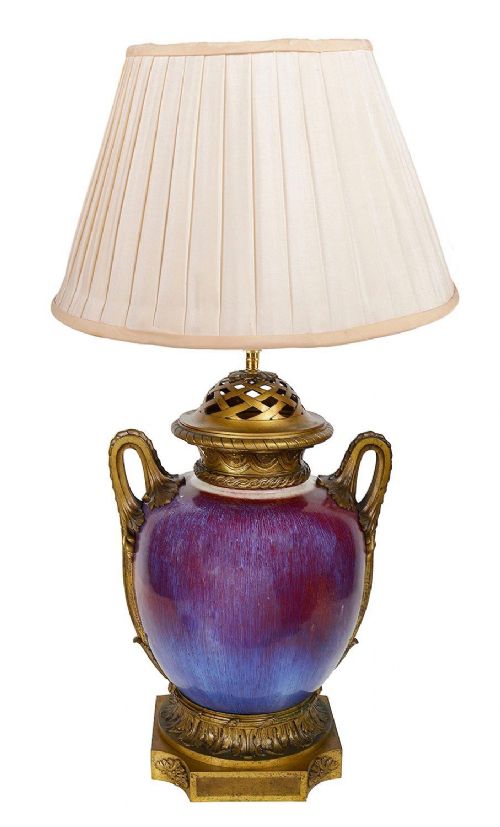
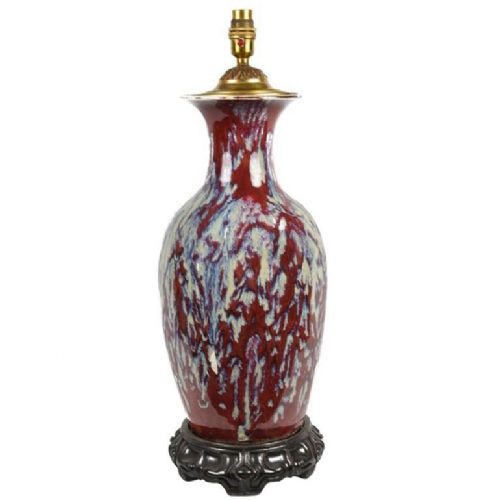
A qing style table lamp transforms historical vessels, primarily nineteenth-century Chinese porcelain vases and ginger jars, into functional domestic lighting. These pieces span diverse forms such as blue and white crackleware, famille verte, and sang de boeuf, often adapted from earlier imperial traditions.
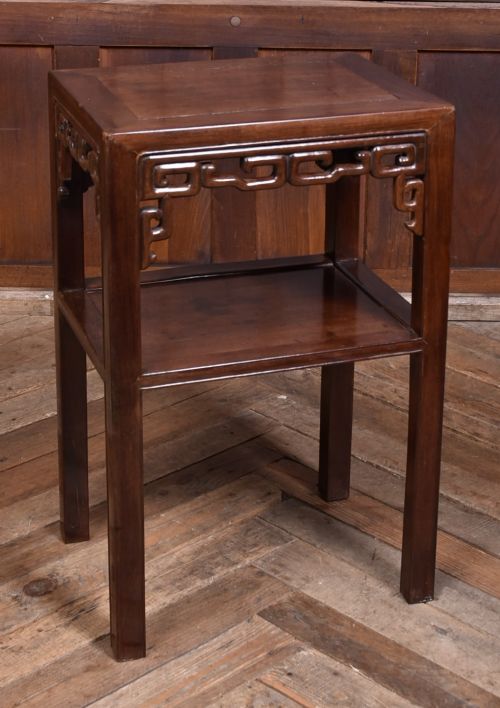
The selection also encompasses occasional tables, side tables, and plant stands in hardwood and marble, which frequently serve alongside these ceramic lights. The ceramic lamp bodies themselves reflect distinct periods including the eighteenth century and Victorian eras.
Buyers encounter pairs and single lamps alike, featuring motifs that echo Chinese Qing Dynasty and Chinese Export aesthetics. Each piece demonstrates how decorative objects transition across eras while retaining their original material character.
How they were made
Potters shaped the ceramic bodies from high-fired porcelain, applying intricate glazes such as celadon, powder blue, and famille rose by hand. Many of these vessels originate as lidded vases or ginger jars before receiving electrical fittings at a later date.
Metalwork components often incorporate brass, ormolu, and gilt bronze mounts to secure the porcelain and support fabric or silk shades. Supporting furniture pieces utilise dense hardwoods, occasionally inset with marble tops for decorative contrast and stability.
What varies in quality
The refinement of the hand-painted brushwork on the porcelain body sets finer examples apart, showing deliberate control in floral and figurative motifs. Glaze consistency, whether in crackleware or monochrome surfaces, dictates the visual depth of the vessel.
The integration of metal mounts, such as gilt bronze or brass collars, reveals the standard of craftsmanship applied during conversion or manufacture. Hardwood occasional tables display varying levels of carving detail and timber selection across the available pieces.
The Qing Style Table Lamp Glossary
- Famille Verte
- A porcelain palette dominated by green enamel overglaze colours, frequently seen on nineteenth-century vases. This style develops from earlier Qing Dynasty traditions.
- Crackleware
- A type of ceramic glaze characterised by a network of fine intentional cracks across the surface. This technique creates a distinctive textured pattern on blue and white vases.
- Ormolu
- Gilt bronze mounts applied to furniture and ceramic pieces for decorative emphasis. The technique involves coating bronze with a fine layer of gold.
- Sang de Boeuf
- A deep red copper-based monochrome glaze resembling ox-blood, prized on imperial Chinese porcelain vessels. Potters achieve this rich coloration through precise kiln reduction atmospheres.
- Baluster
- A vase shape with a rounded body that tapers toward the base and swells near the lower centre. This profile appears frequently among the converted lamp bodies.
Qing Style Table Lamp: Frequently Asked Questions
Are these lamps converted from old vases?
Many examples utilise genuine nineteenth-century Chinese porcelain vases and ginger jars that have been adapted with electrical fittings for modern use. The conversion process preserves the historical ceramic body while adding contemporary functionality.
Some pieces retain traces of their original function as lidded containers before receiving lamp hardware. This dual history connects decorative arts with practical household illumination.
How do I identify different porcelain styles?
Distinguishing the types relies on observing the palette and glaze application, such as the green enamels of famille verte or the soft grey-green tones of celadon. Crackleware displays a webbed surface pattern unique to that glazing technique.
Familiarity with terms like famille rose and powder blue helps categorise the specific decorative period. Examining the brushwork under good light reveals the hand of the individual painter.
What furniture accompanies these lamps?
The selection includes oriental hardwood tables, occasional tables, and marble-topped jardiniere stands designed to hold plants or decorative items. These companion pieces share materials like dense timber and inset marble panels.
Placing a lamp on a matching hardwood side table creates a cohesive display that reflects traditional interior arrangements. The furniture ranges from single accent tables to balanced pairs.
How should I care for antique porcelain lamps?
Dusting the ceramic body gently with a dry, soft cloth prevents the accumulation of particulate matter on painted glazes and textured surfaces. Avoid harsh chemical cleaners that might damage the delicate enamel work.
Fabric shades benefit from light brushing or vacuuming with a low-suction attachment. Regular inspection of the electrical wiring ensures safe operation in a modern home.