





Qing Style Armchairs
Qing style armchairs bring substantial presence to a room through carved hardwood frames and traditional forms.
Qing Style Armchairs
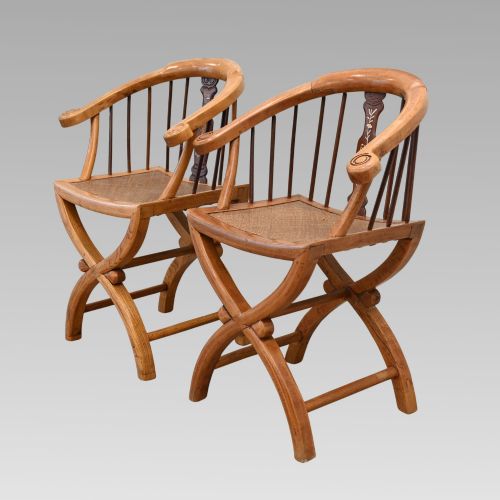
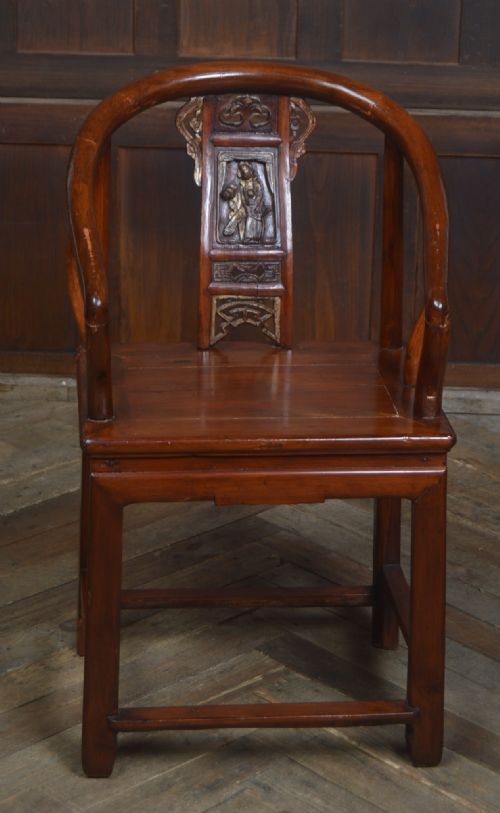
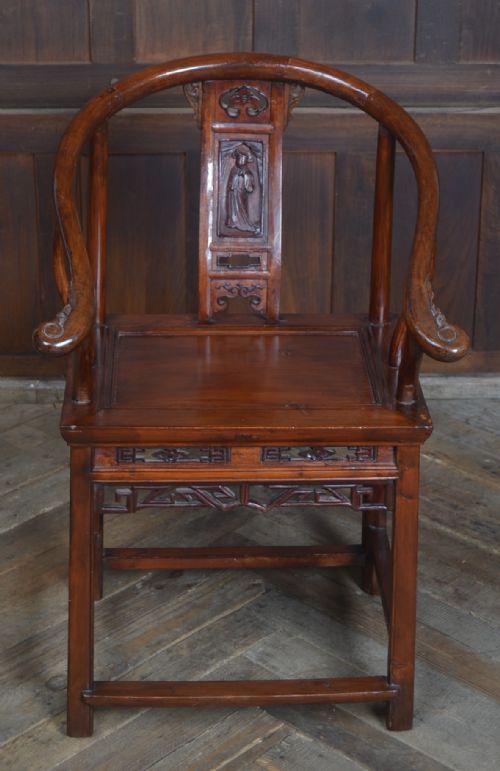
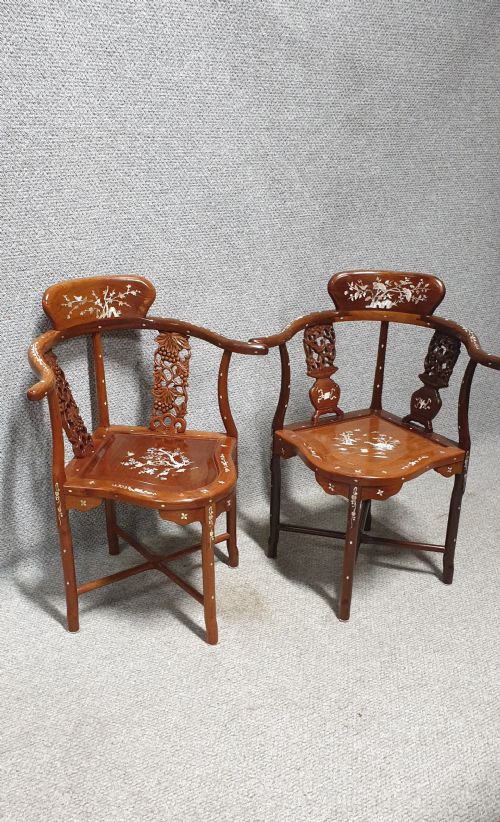
Qing style armchairs cover seating originating from China, often produced during the nineteenth century or later periods such as nineteen-twenty and Edwardian times. These pieces encompass various forms including throne chairs, corner armchairs, horseshoe back designs, and day beds.
Buyers browsing this selection most frequently encounter nineteenth-century hardwood and elm examples, alongside pairs featuring carved details or brass inlay. The inventory ranges from export pieces to formal throne styles executed in dense timbers.
How they were made
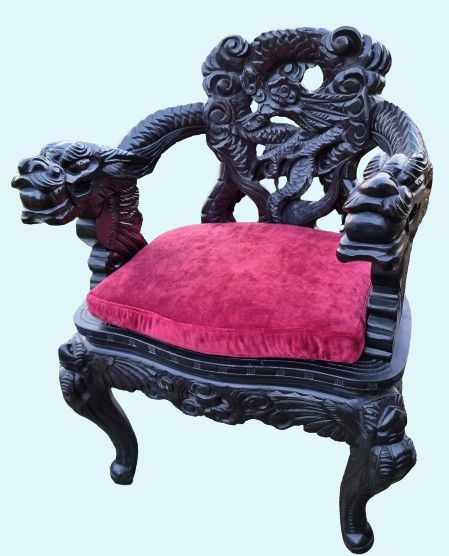
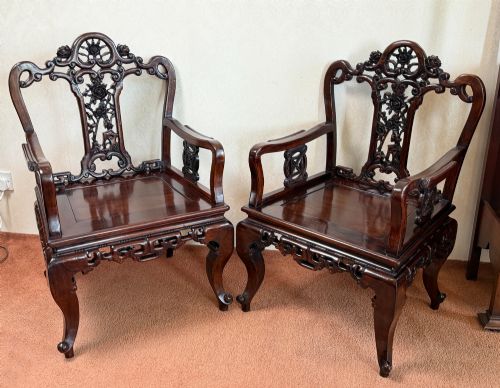
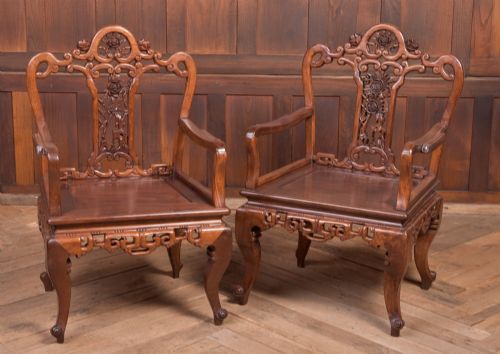
Maker workshops utilised dense timbers such as hardwood, hongmu, teak, and elm to construct these frames. Artisans carved intricate decorative motifs directly into the wooden structure and incorporated brass inlay on selected examples.
Upholstered versions integrate textile seating elements like velvet and fabric. Lacquer finishes appear on specific pieces from the nineteenth and Edwardian periods, adding a smooth protective layer to the wood.
Qing Style Armchairs Retail Price Guide 2026
Typical asking prices for qing style armchairs among the pieces listed under this phrase on Sellingantiques today, from the lower quarter to the upper quarter. They describe what is for sale here now, not the wider market.
Materials across these listings span hardwood, elm, hongmu, teak, and lacquered wood, alongside fabric and velvet upholstery.
What varies in quality
The density and selection of the timber dictate much of the structural character, with heavy hardwoods and hongmu sitting at the upper end of the scale. The crispness and depth of the hand-carved ornamentation reveal the skill applied to the frame.
Proportion and design complexity separate standard seating from unusual forms like horseshoe backs, corner chairs, and throne chairs. Matched pairs command particular attention due to the difficulty of keeping identical seating intact over generations.
The Qing Style Armchairs Glossary
- Hongmu
- A dense, heavy tropical hardwood prized in Chinese furniture making for its rich colour and ability to hold fine carved details. This timber is often associated with formal throne chairs.
- Horseshoe back
- A rounded, continuous backrest curving down to form the armrests in a single sweeping line. This traditional shape provides ergonomic support.
- Corner armchair
- A seating form designed to fit into room corners, featuring a diagonal orientation and wraparound backrest. These pieces often display eccentric and curvaceous proportions.
- Throne chair
- A large, highly formal armchair with an elevated back, traditionally signifying status and authority. They frequently feature deep carving and robust hardwood construction.
Qing Style Armchairs: Frequently Asked Questions
How do I identify a qing style armchair?
Look for traditional Chinese forms such as horseshoe backs, throne styles, or corner configurations constructed from dense timbers like hardwood or elm.
Examine the frames for hand-carving, brass inlay, or lacquer finishes that point towards nineteenth-century or early twentieth-century production.
Where were these chairs placed originally?
Formal throne chairs and large armchairs stood in reception halls or ancestral homes to display status and seat important guests.
Smaller corner chairs and horseshoe designs functioned in domestic living spaces, studies, or bedrooms for daily use.
Are pairs common in these chairs?
Matched pairs appear frequently among nineteenth-century hardwood seating, having been created together for formal reception rooms.
Finding a true pair that has survived intact adds considerable interest for collectors seeking balanced furniture arrangements.
How do I live with a hardwood armchair?
Place hardwood and hongmu seating away from direct heat sources and dramatic humidity shifts to protect the timber structure.
Regular dusting with a dry cloth maintains the carved surfaces and polish without harming the aged finish.