


Qing Dynasty Watercolour Painting
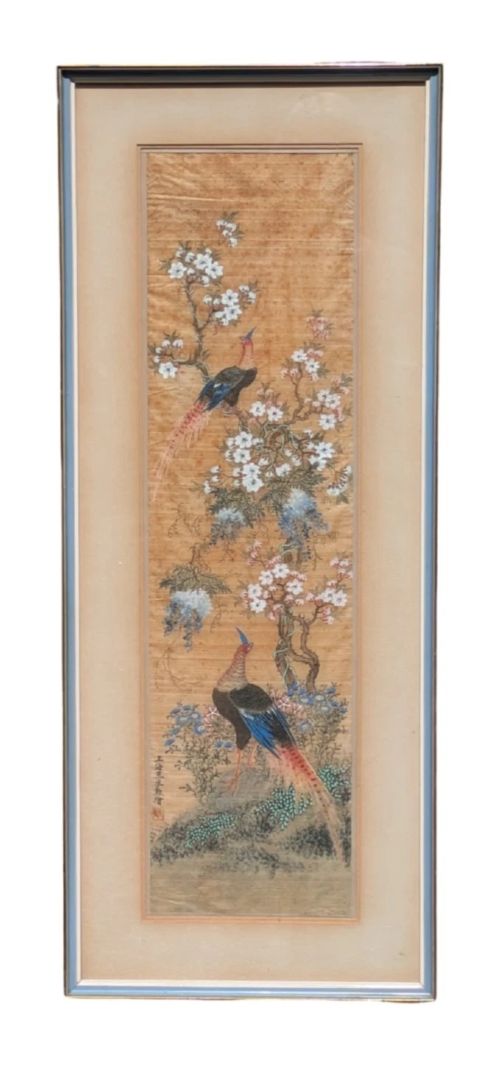
A qing dynasty watercolour painting brings vivid hues of the Qing era into a room through delicate brushwork on pith paper or silk.
Qing Dynasty Watercolour Painting
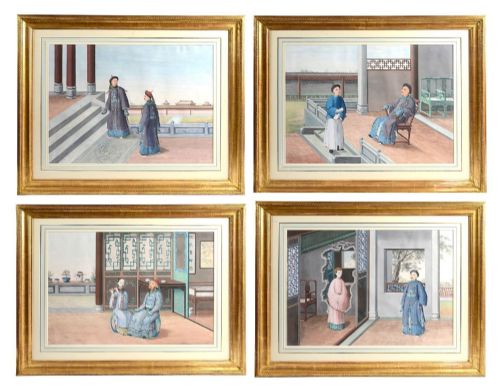
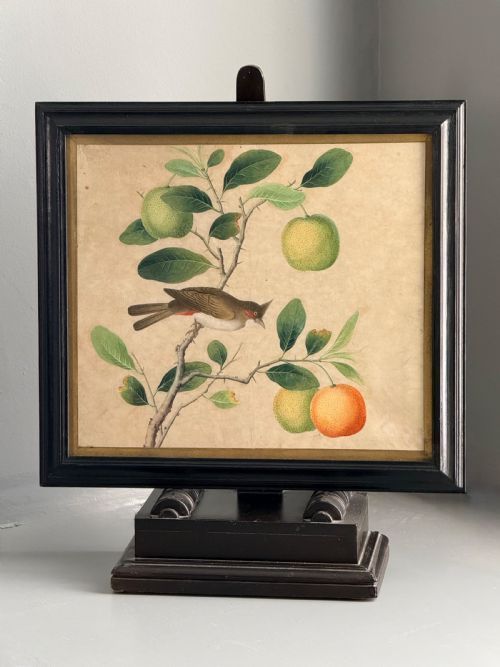
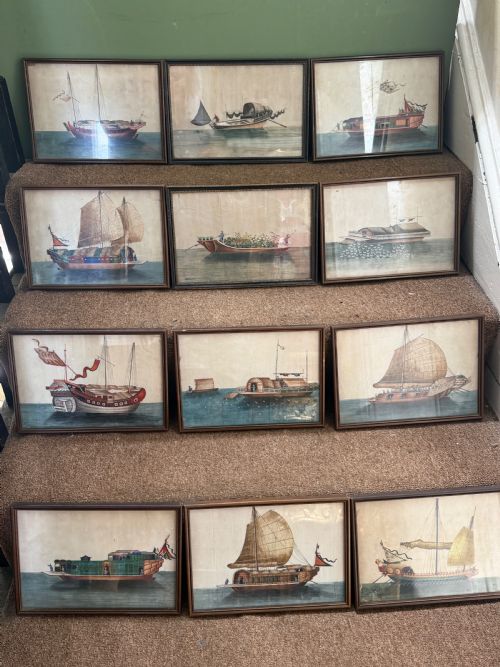
When you search for a qing dynasty watercolour painting, you encounter works created primarily for export and domestic markets during the eighteenth and nineteenth centuries. These pieces encompass framed artworks, wall art, and individual paintings depicting botanical subjects, butterflies and insects, and ships like junks.
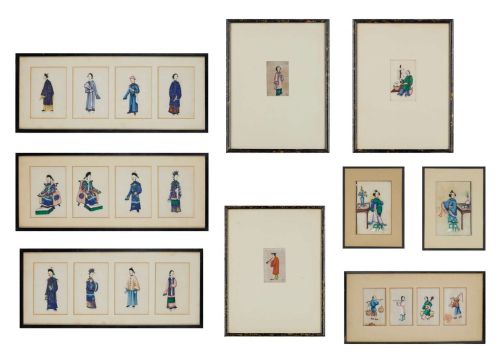
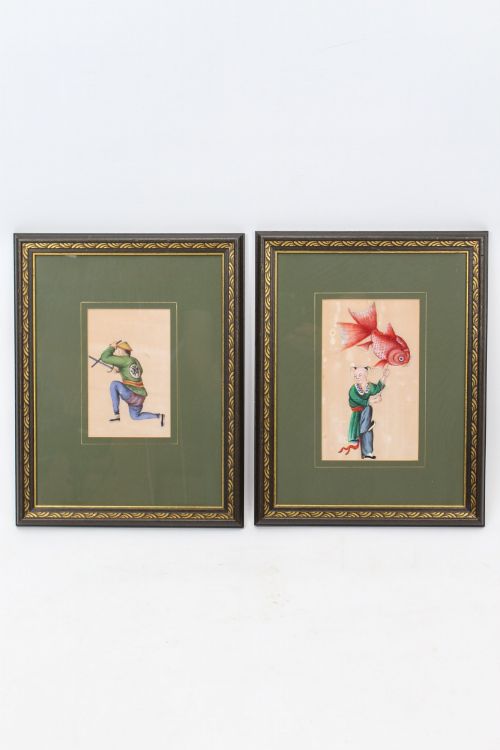
The versions most commonly met on this page include sets of pith paper paintings and framed gouache watercolours originating from the nineteenth century. Many pieces arrive grouped in sets of varying sizes, portraying figural scenes and floral compositions typical of Chinese export art.
How they were made
Artists applied watercolour, gouache, and ink pigments onto delicate supports such as pith paper, which is often called rice paper, and occasionally silk. These fragile surfaces required careful handling by painters who mastered the application of opaque and translucent water-based colours.
Finished works frequently utilised wooden frames and glass to protect the delicate medium from moisture and damage. Artisans constructed these mountings to preserve the intricate details of the pigments and the fibrous texture of the pith paper.
Listings feature works spanning the eighteenth century through the Edwardian period, executed on glass, wood, pith paper, and standard paper.
What varies in quality
The fineness of the brushwork and the vibrancy of the remaining pigment distinguish superior examples from simpler decorative items. Works that retain their original colour intensity and show precise botanical or figural detail command greater attention.
Completeness within a set also alters the character of the piece, as intact series of twelve or more paintings offer a unified visual narrative. The stability of the underlying pith paper and the quality of historical framing further separate individual works.
The Qing Dynasty Watercolour Painting Glossary
- Pith paper
- A delicate, soft material cut from the pith of the Tetrapanax papyrifer plant, commonly used as a painting surface in the nineteenth century. It possesses a velvety texture that absorbs water-based pigments uniquely.
- Gouache
- An opaque watercolour medium composed of ground pigments and a binding agent, utilised to achieve rich and solid colour areas. It frequently appears alongside traditional watercolour in export art.
- Chinese export art
- Goods manufactured in China specifically for Western markets, encompassing paintings tailored to European tastes. These items often feature characteristic local subjects executed for foreign buyers.
- Junk
- A traditional Chinese sailing ship with battened sails, frequently depicted in nineteenth-century export gouache paintings. Such maritime subjects were popular among Western collectors.
Qing Dynasty Watercolour Painting: Frequently Asked Questions
How do I care for pith paper paintings?
Keep these works behind glass and away from direct sunlight to prevent the pigments from fading and the fragile pith paper from drying out.
Maintain a stable indoor humidity level, as moisture can cause severe damage to both the painting surface and any historical wooden frame.
What subjects appear in these watercolours?
Common motifs include botanical studies, butterflies and insects, figural scenes, and maritime views featuring junks and other ships.
Artists tailored these themes to satisfy the demand for foreign imagery among Western buyers during the Qing period.
Are these paintings found in sets?
Many examples survive as part of coordinated sets, ranging from pairs to series of twelve or twenty-one individual works.
Complete sets offer a comprehensive view of a single theme, such as floral studies or narrative figural compositions.
How are these paintings usually framed?
Historic and contemporary examples typically utilise wooden frames combined with glass protection to shield the delicate paper supports.
Proper framing preserves the fragile medium from physical pressure and environmental degradation while allowing clear visibility.