


Qing Dynasty Vase Lamps
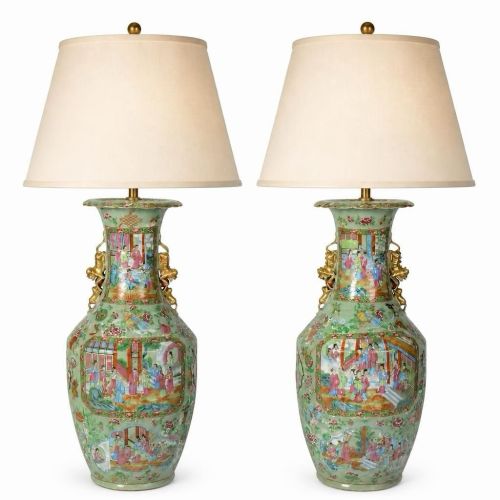
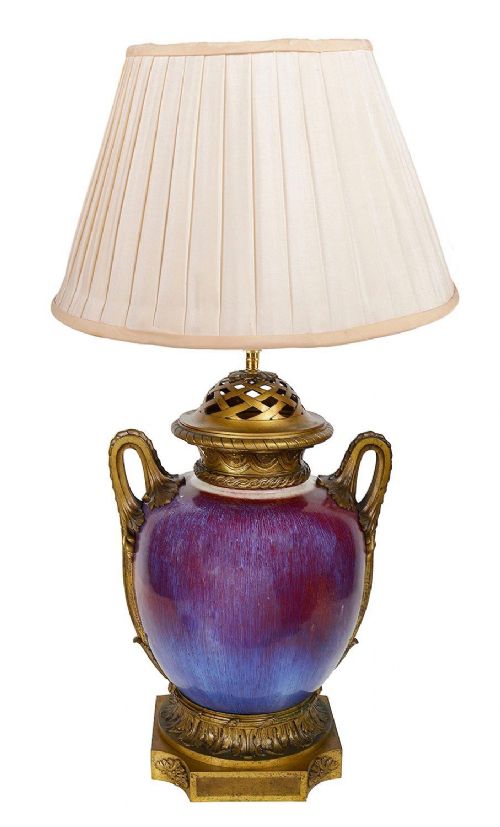
Qing dynasty vase lamps combine historic porcelain and cloisonne bodies with wired lighting, giving period interiors a striking focal point.
What qing dynasty vase lamps are
When you search for qing dynasty vase lamps, you encounter nineteenth century table lamps created by converting Chinese export and domestic vases into functional lighting fixtures. These pieces bridge traditional ceramic artistry and practical illumination, making them sought after for period interiors.
The selections available here consist entirely of table lamps fashioned from nineteenth century vessels. Most examples appear as matched pairs, featuring prominent ceramic or cloisonne bodies fitted with brass, gilt bronze, and fabric elements.
How they were made
The foundation of these pieces relies on nineteenth century materials including porcelain, cloisonne enamel, and crackleware. Artisans formed these ceramic and metal bodies using traditional methods before later adaptation into lamps.
Subsequent mounting incorporated brass, metal, gilt bronze, and hardwood components to support electrical fittings. Fabric shades complete the construction, combining antique vessel forms with modern utilitarian requirements.
Retail Price Guide 2026
Typical UK retail prices for qing dynasty vase lamps, calculated from the Sellingantiques database of over a million retail prices indexed since 2003. This retail price guide relies exclusively on Sellingantiques data; no external sources or auction records are used, so the figures do not describe the wider market.
Decorative styles on this page span Chinese export, nineteenth century Chinese, Qing dynasty, and Chinoiserie.
What varies in quality
The distinction between standard examples and superior pieces rests upon the execution of the hand-painted enamels, such as famille rose, famille verte, and rose medallion palettes. Finer vessels display meticulous brushwork, vibrant pigments, and harmonious colour placement across the ceramic surface.
Quality also depends on the integration of the mounts and the preservation of the original body. Superior examples feature well-fitted metal or hardwood bases that respect the antique vessel without compromising its structural integrity.
The Qing Dynasty Vase Lamps Glossary
- Famille Rose
- A palette of opaque enamel colours dominated by pink or rose, introduced during the Qing dynasty and widely seen on nineteenth century export wares. This ceramic decoration style creates soft, nuanced floral and figural scenes.
- Famille Verte
- A porcelain enamelling scheme characterised by vibrant green tones, developed during the Qing period. It relies on transparent green enamels combined with other contrasting colours to produce detailed narrative or botanical designs.
- Cloisonne Enamel
- A metalwork technique where thin metal wire is soldered to a base to form compartments, which are then filled with coloured enamel paste and fired. This method produces intricate surface patterns on vase bodies.
- Crackleware
- A type of pottery or porcelain featuring a network of fine cracks in the glaze, deliberately produced during the firing process. It adds texture and an antique appearance to nineteenth century table lamps.
Frequently Asked Questions
Are qing dynasty vase lamps antique?
The vase bodies utilised in these lamps originate from the nineteenth century, placing them firmly within the later Qing dynasty period. The electrical fittings and mounts represent later adaptations necessary for functional use.
Buyers should examine both the ceramic body and the hardware to understand the history of the piece. The combination of antique vessels and later conversion is standard for this category.
How do I care for my lamp?
Dust the porcelain or cloisonne bodies gently with a soft, dry cloth to prevent the accumulation of dirt on the enamel. Avoid harsh chemical cleaners that might damage the historic glaze or the metal mounts.
Check the electrical components periodically for safety. Handle the fabric shades with clean hands to preserve the textile surface.
What styles are included?
The selection encompasses Chinese export, nineteenth century Chinese, and Chinoiserie styles. These aesthetic approaches reflect both domestic Qing dynasty tastes and wares produced specifically for Western markets.
Understanding these stylistic categories helps collectors identify the particular decorative tradition of each lamp. Each style offers distinct visual characteristics in pattern and colour.