




Qing Dynasty Porcelain Bottle
These qing dynasty porcelain bottle pieces combine traditional ceramic forms with precise glaze work.
Qing Dynasty Porcelain Bottle
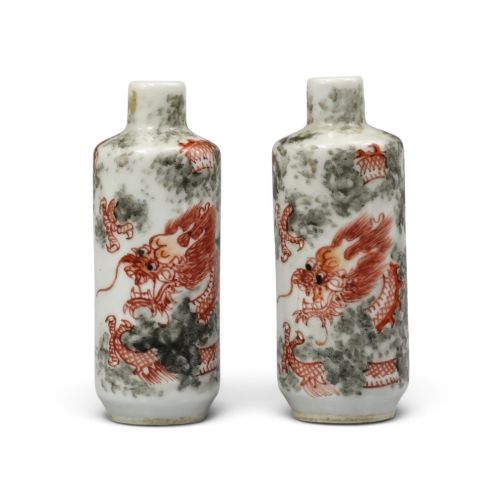
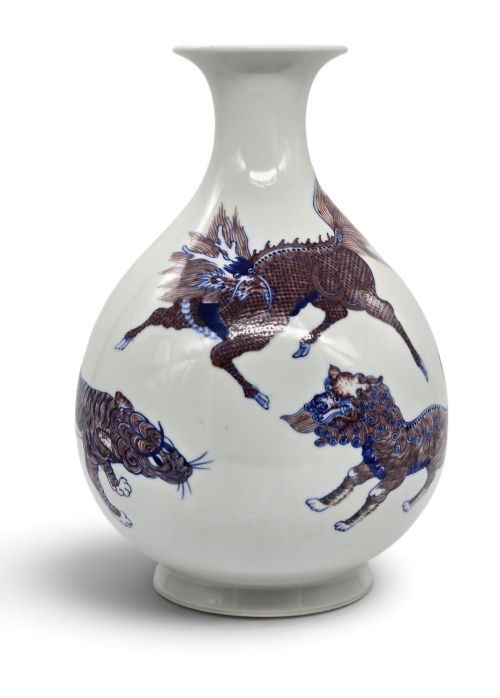
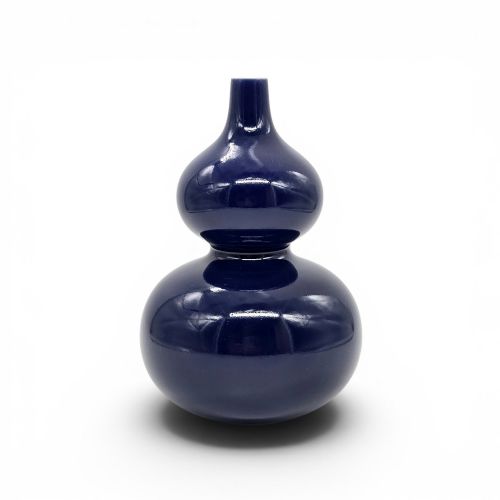
A qing dynasty porcelain bottle encompasses various vessels ranging from small snuff bottles to larger garlic-mouth and double-gourd vases. These items originate predominantly from the nineteenth and eighteenth centuries, with specific examples carrying marks from reigns such as Daoguang and Guangxu.
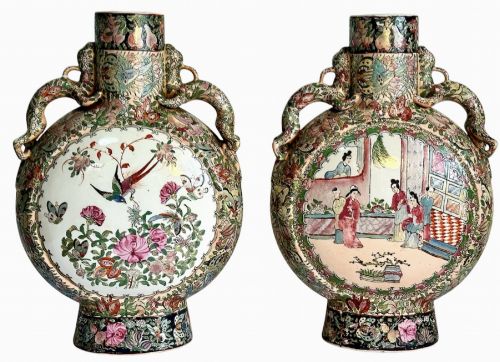
Collectors frequently encounter miniature snuff bottles alongside larger decorative vessels and moon flasks on this page. The forms include globular bodies, fluted profiles, and lidded canisters intended for domestic display or personal use.
Materials and construction
Potters utilised ceramic clay covered in porcelain and various glazes, including cobalt oxide, celadon, and tea dust. These mineral surfaces were fired at high temperatures to achieve durable finishes.
Decoration relied on underglaze blue painting, copper-red pigments, and overglaze enamel work such as famille rose. Artisans applied these colours by hand to depict mythical beasts, dragons, and figural scenes.
Listings feature porcelain, enamel, glaze, and ceramic materials across eighteenth and nineteenth-century periods.
Distinctions in craftsmanship
The precision of the painted detail separates standard domestic wares from exceptional imperial pieces. Finer examples display meticulous brushwork in the depiction of dragons, clouds, and human figures without blurring.
The depth and consistency of the glaze also indicate superior production standards. Uniformity in celadon, tea dust, or blue and white surfaces demonstrates greater control within the kiln.
The Qing Dynasty Porcelain Bottle Glossary
- Celadon glaze
- A green ceramic glaze ranging from pale grey-green to olive, developed through iron oxide in a reduction kiln. This finish mimics the appearance of jade.
- Famille rose
- A palette of opaque overglaze enamels introduced in the eighteenth century, dominated by pink or rose colours. Artists used these pigments for detailed figural and floral scenes.
- Double-gourd
- A ceramic vessel shape formed from two spherical sections, one stacked atop the other. This silhouette holds symbolic meaning associated with prosperity and longevity.
- Underglaze blue
- A cobalt pigment applied to the raw clay body before glazing and firing, producing a deep blue design under a clear protective layer. It remains stable at high kiln temperatures.
- Snuff bottle
- A small container designed to hold powdered tobacco, featuring a fitted stopper and tiny spoon. These portable objects served both practical and decorative functions.
Qing Dynasty Porcelain Bottle: Frequently Asked Questions
How do I date a qing dynasty porcelain bottle?
Dating relies on stylistic indicators, reign marks, and the specific palette of enamels or glazes used on the ceramic body. Pieces from the eighteenth century often display different potting characteristics compared to nineteenth-century examples.
Examining the foot rim and the wear patterns on the base provides additional clues regarding the period of manufacture.
What is the difference between a vase and a snuff bottle?
Vases are larger decorative vessels intended for display on tables or shelves, often featuring wide mouths or long necks. Snuff bottles are miniature containers made for personal use and carry fitted stoppers.
Both formats utilise similar porcelain bodies and glaze techniques but serve entirely different domestic functions.
How should I display porcelain bottles at home?
These ceramic vessels require stable surfaces away from direct sunlight and heavy foot traffic to prevent accidental knocks. Placing them in enclosed cabinets protects the delicate enamel and glaze surfaces from dust.
Good ambient lighting highlights the underglaze painting and subtle variations in celadon or tea dust glazes.
What do reign marks on the base mean?
Reign marks indicate the dynastic period during which the vessel style was honoured or produced, such as the Qianlong or Daoguang eras. Some marks represent the actual period of manufacture, while others are commemorative.
Translating these characters helps collectors understand the historical context of the ceramic piece.