




Qing Dynasty Coffer
A qing dynasty coffer brings centuries of master carpentry into a modern home, offering robust storage disguised in rich lacquer and warm timber.
Qing Dynasty Coffer
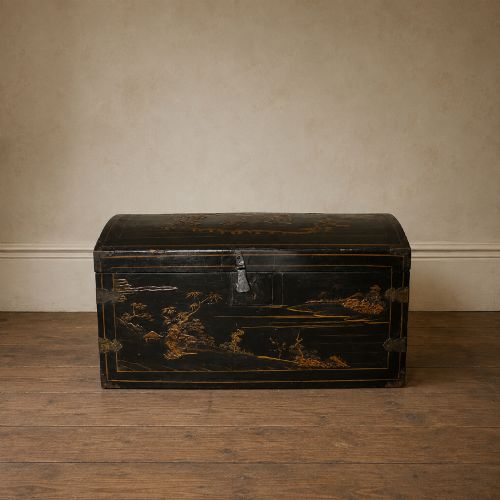
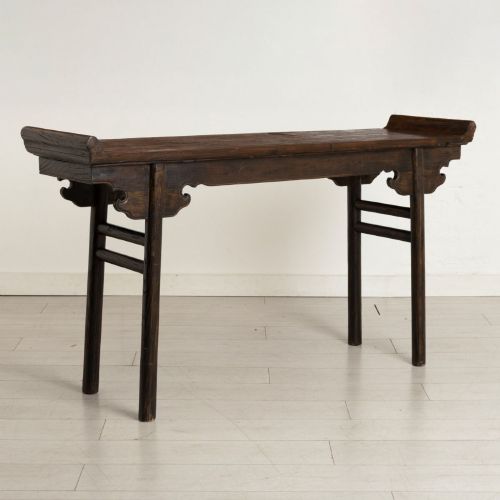
A qing dynasty coffer represents a specialised form of historic Chinese storage, bridging the gap between utilitarian trunks and formal display furniture. Buyers exploring this category encounter substantial timber chests, domed travel trunks, and low altar tables built for domestic and export markets.
The pieces appearing on this page span several centuries, with nineteenth-century examples forming the majority of the selection alongside eighteenth-century items. Regional variations emerge through provincial styles and export designs, reflecting the diverse workshops operating across China during these periods.
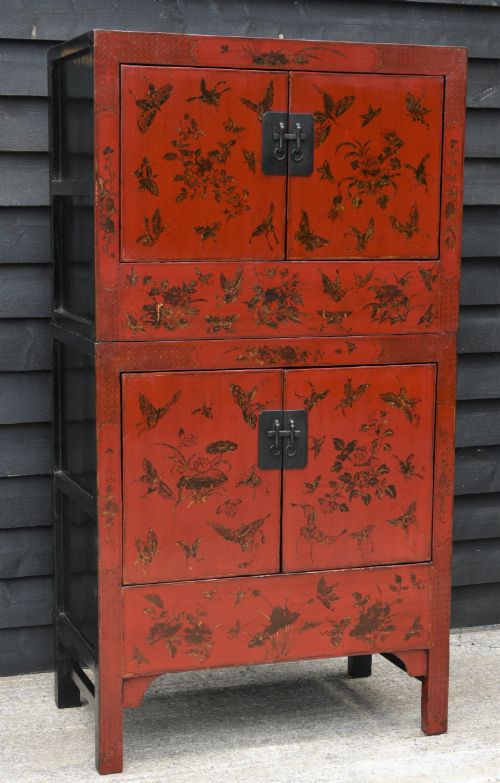
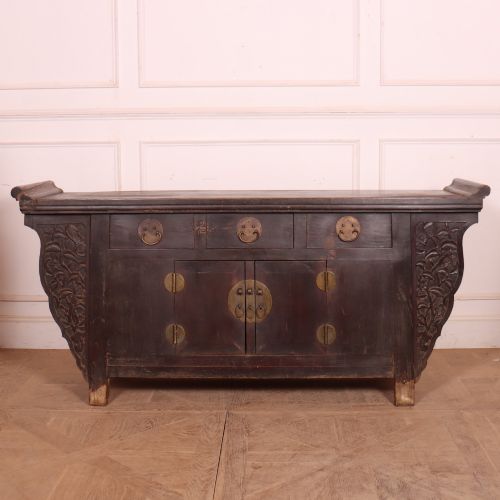
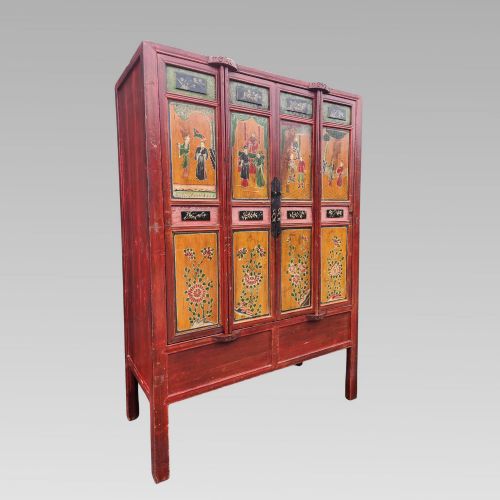
Forms extend beyond simple storage to include sideboards, writing desks, and marriage cabinets, though the core of the selection remains centred on heavy coffers and brass-bound chests. These items served practical domestic functions before finding new life as coffee tables and statement interior pieces.
Materials and construction methods
Carpenters relied on durable native woods such as elm, camphorwood, and dense hardwoods like hongmu to build structural integrity into each qing dynasty coffer. Panels were joined using traditional framing techniques that allowed timber to expand and contract across seasonal temperature shifts without cracking the primary structure.
Surfaces frequently received layers of red or black lacquer, sometimes paired with applied gilt decoration or carved details that defined the aesthetic of Chinese export pieces. Functional hardware such as iron and brass straps, hinges, and corner brackets reinforced the lids and corners while adding metallic contrast to the dark wood and pigmented finishes.
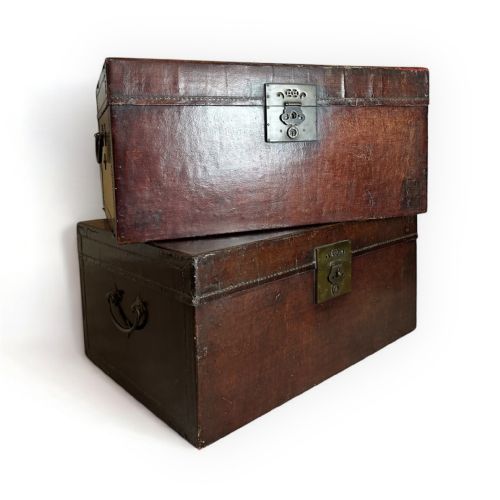
Trade trunks incorporated leather coverings alongside wood cores, securing the materials with systematic rows of brass studs to withstand long journeys. These varied construction choices ensured that domestic storage furniture and travel cases could endure heavy handling while maintaining a polished exterior.
Current listings demonstrate a strong presence of nineteenth-century pieces alongside eighteenth-century examples, utilising elm, hardwood, lacquer, and brass.
Assessing craftsmanship and condition
Quality in a qing dynasty coffer is grounded in the selection of the timber and the precision of the joinery rather than surface decoration alone. Dense hardwoods and well-seasoned elm demonstrate superior stability, whereas lesser examples rely on softer secondary woods that show deeper wear.
The survival of original lacquer work and integrated metal fittings heavily influences the standing of a piece within its type. Intact brass detailing, original leather skins, and carefully preserved gilt motifs indicate higher workshop standards during production.
Proportion and structural balance separate standard utility pieces from finer examples designed for elite households or the export trade. Master carpenters achieved cleaner lines and more harmonious proportions, allowing even heavy storage chests to retain visual elegance.
The Qing Dynasty Coffer Glossary
- Cofer
- A large chest or strongbox traditionally used for storing valuables, garments, or documents in a secure domestic setting.
- Lacquer
- A durable natural resin applied in multiple thin coats to wood surfaces, providing a glossy, pigmented protective finish.
- Hongmu
- A dense, heavy Chinese hardwood prized for its dark red-brown colour and stability in furniture construction.
- Chinoiserie
- European artistic interpretations of Chinese decorative motifs, heavily influencing export goods produced for Western markets.
- Camphorwood
- An aromatic timber frequently selected for interior trunk panels to protect stored textiles from insects.
- Gilt
- A thin layer of gold leaf applied to wood or lacquer surfaces to highlight carved details and decorative motifs.
Qing Dynasty Coffer: Frequently Asked Questions
How were these coffers originally used?
These pieces served primary roles in historic households for storing valuable garments, household linens, and important documents. Many items functioned as travel trunks for merchants and officials moving across regions.
Over time, lower chests and storage boxes transitioned into domestic display furniture, often holding ritual objects or serving as surface tables within the home.
What woods should I look for?
Construction materials range from accessible domestic timbers like elm to dense hardwoods such as hongmu and aromatic camphorwood. Camphorwood was especially valued for lining trunks to protect stored fabrics.
Heavier hardwoods provided superior structural stability for large storage cabinets and writing desks, ensuring the piece survived centuries of daily use.
How do I care for lacquered surfaces?
Lacquered wood requires stable indoor humidity levels and protection from direct sunlight to prevent drying and cracking. Dust the surface gently with a soft, dry cloth rather than chemical polishes.
Keeping the piece away from direct heat sources preserves the underlying wood and prevents the natural resin finish from becoming brittle.
Can I use a coffer as a coffee table?
Many lower chests and trunk forms are well-suited for modern living spaces as coffee tables, offering built-in storage beneath the top surface. Their sturdy timber construction easily supports everyday items.
Measuring the height and surface area of the specific chest ensures it fits comfortably alongside standard seating arrangements in a contemporary room.