








Qashqai Tribal Weaving
When you search for qashqai tribal weaving, you enter the nomadic world of South-West Persia through rugs, kilims, and utilitarian bags made from wool.
Qashqai Tribal Weaving
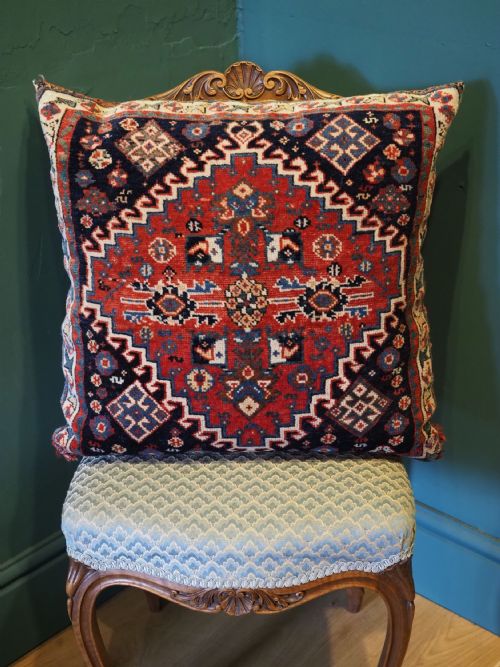
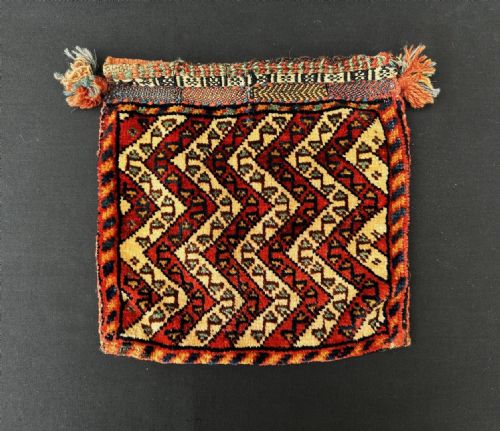
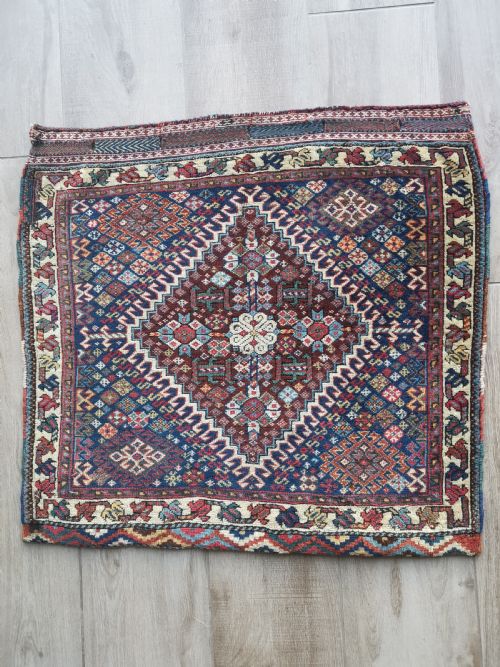
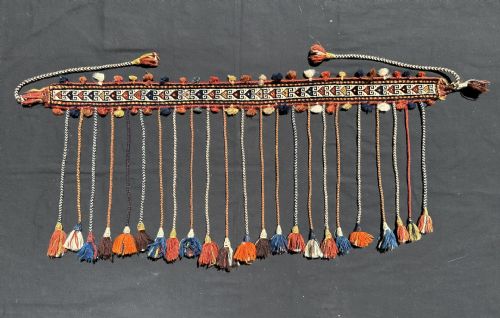
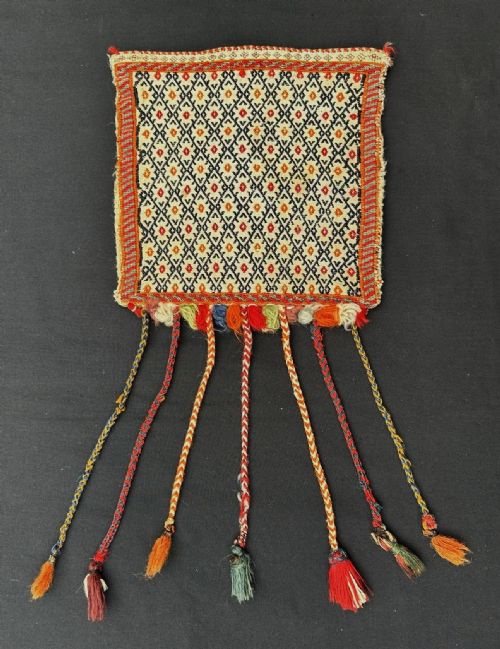
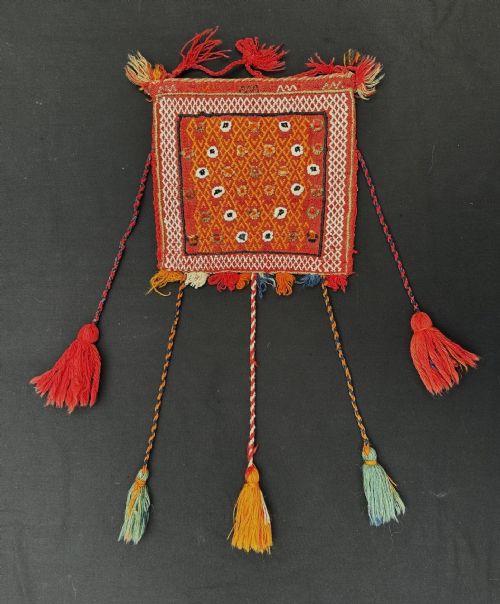
These textile items originate from the tribal confederacies and sub-tribes of the Fars Province in South-West Persia, spanning periods from the nineteenth century into the twentieth. You encounter formats ranging from large main carpets and area rugs to utilitarian household items including saddlebags, vanity bags, salt bags, and horse blankets.
The objects reflect nomadic life, utilising regional tribal styles such as Qashqai, Shekarlu, Kashkuli, Darrehshuri, and Khamseh. Buyers frequently meet smaller bag faces, cushions, and kilims alongside room-sized rugs featuring geometric medallions and animal motifs.
Materials and construction methods
The textiles are constructed predominantly from wool, including hand-spun wool, combined with cotton foundations in specific pieces. Dyes derived from natural sources provide the distinctive palette seen across the nomadic pieces.
Makers employed hand-knotting and flatweaving techniques to produce durable pile rugs and kilims. Additional materials such as leather and wood appear on specific functional animal trappings and bags.
Qashqai Tribal Weaving Retail Price Guide 2026
Typical asking prices for qashqai tribal weaving among the pieces listed under this phrase on Sellingantiques today, from the lower quarter to the upper quarter. They describe what is for sale here now, not the wider market.
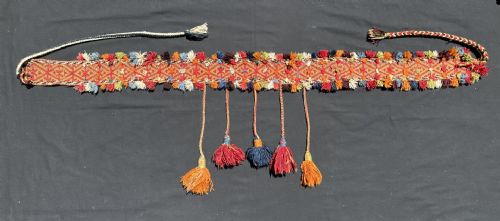
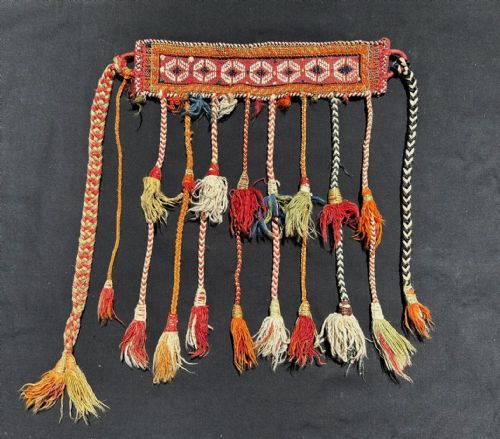
Baby cradles and water-pipe bags show that nomadic weavers brought ornamentation to every corner of daily life.
Distinctions in execution and handle
The fineness of the knotting and the tightness of the weave set finer examples apart from coarser utilitarian items. Precision in executing complex geometric patterns and central medallions signals higher execution skill.
The integrity of the natural dyes and the quality of the hand-spun wool dictate the visual depth of the surface. Completeness of original borders and intact bag structures retain the historical integrity of the piece.
The Qashqai Tribal Weaving Glossary
- Kilim
- A flatwoven textile produced without a pile. These pieces rely on warp and weft interweaving to form geometric patterns.
- Gabbeh
- A thick, coarsely knotted pile rug traditionally made by nomadic weavers for home use. They often feature sparse designs with broad expanses of solid colour.
- Tayefeh
- A sub-tribe or clan within the Qashqai confederacy. Specific sub-tribes like the Kashkuli and Darrehshuri developed recognisable design traits.
- Medallion
- A central ornamental motif placed in the field of a rug. These designs anchor the symmetrical layout of the composition.
- Saddlebag face
- The decorative front panel of a utilitarian animal bag intended for transport. These panels survived independently after the backing wore away.
Qashqai Tribal Weaving: Frequently Asked Questions
How were saddlebag faces used?
Nomadic families mounted these double-sided bags on horses, camels, or donkeys to transport belongings during seasonal migrations.
The decorated faces served practical storage needs while displaying tribal identity through distinct patterns.
How do I date these textiles?
Dating relies on analysing the wool quality, dye characteristics, and structural wear consistent with nineteenth and early twentieth-century production.
Specific stylistic markers and regional sub-tribe attributions also help narrow the period of origin.
Where were these pieces made?
The items originate from South-West Persia, specifically within the historic territory of the Fars Province.
Different nomadic groups and confederacies such as the Qashqai, Khamseh, and associated sub-tribes created them.
How do I care for an antique rug?
Protect the wool pile by placing the textile out of direct sunlight and using a breathable underlay beneath it.
Vacuum gently without a rotating brush bar and consult a specialist for professional cleaning when necessary.