



Qashqai Rug Runner
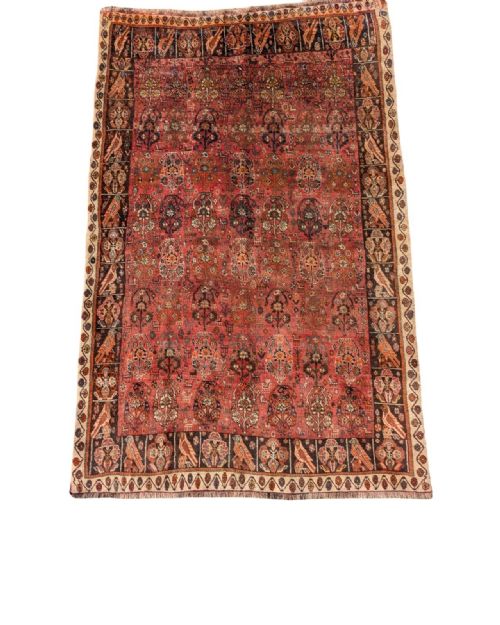
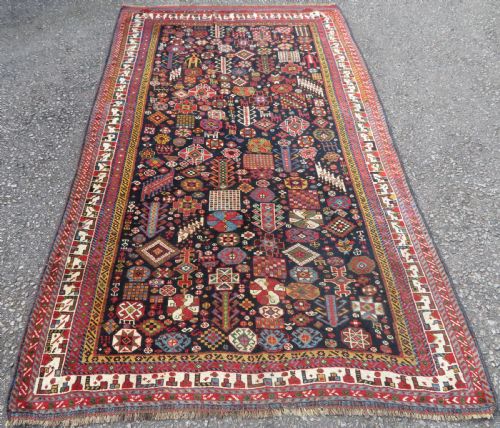
These qashqai rug runner pieces are handwoven tribal textiles from south-west Persia that bring rich geometric design and historic woolwork into modern spaces.
Qashqai Rug Runner
When you search for a qashqai rug runner, you find traditional tribal weavings originating from the Fars province in south-west Persia. These pieces reflect the nomadic heritage of the Qashqai confederacy through distinct regional motifs and structures.
The selection on this page includes long tribal rugs, kilims, and narrow formats produced across the late nineteenth and early twentieth centuries. Many examples exhibit characteristic medallion schemes, diamond lattices, or flatweave banded compartments.
Related tribal groups such as the Luri and Khamseh frequently appear alongside Qashqai items due to shared geographic origins and overlapping design vocabularies in Persian tribal weaving.
Materials and construction methods
These textiles rely on hand-spun wool for both foundation and pile, providing a dense and durable structure built for nomadic life. Natural dyes impart deep, complex colour palettes that age gracefully over decades of light exposure.
Weavers utilised both knotted pile techniques and flatweave kilim methods, sometimes combining structures within single pieces. Cotton occasionally appears in the foundational warps and wefts of later nineteenth and early twentieth century examples.
Mischievous nomadic weavers occasionally embedded stray animal hairs and minor intentional asymmetry into their rugs to ward off the evil eye.
Distinctions in quality and execution
Quality in these tribal weavings rests upon the tightness of the weave, the clarity of the geometric drawing, and the depth of the natural dye palette. Finer knotting allows for crisper execution of intricate medallion and lattice patterns.
The handling of wool preparation directly impacts the tactile appeal and resilience of the surface over time. Superior examples maintain structural integrity and colour saturation despite extensive historical use.
The Qashqai Rug Runner Glossary
- Kilim
- A flatwoven textile produced without a pile by tightly interweaving warp and weft strands. These pieces function well as lightweight floor coverings or wall hangings.
- Gabbeh
- A thicker, more coarsely knotted tribal rug featuring open fields and minimal geometric imagery. Nomadic weavers traditionally made these for domestic utility and floor padding.
- Medallion
- A central ornamental motif placed symmetrically within the field of the rug. Tribal weavers often repeat this element in vertical chains along the length of a runner.
- Warp
- The stationary vertical threads stretched onto a loom that form the structural foundation of the textile. Fringe ends typically consist of these exposed parallel threads.
- Natural Dyes
- Colourants derived from plant, insect, and mineral sources prior to the widespread introduction of synthetic alternatives. These materials create subtle tonal variations known as abrash.
Qashqai Rug Runner: Frequently Asked Questions
How do I care for an antique runner?
Vacuum gently without a rotating brush roll to prevent pulling the hand-spun wool pile. Rotate the textile periodically to ensure even wear across high-traffic areas.
Professional cleaning specific to antique oriental rugs is essential to preserve the natural dyes and wool structure. Avoid harsh chemical spot treatments entirely.
Where were these pieces made?
Nomadic and village weavers produced these textiles within the Fars province of south-west Persia. The Qashqai confederacy travelled seasonally through this mountainous region, carrying upright looms with them.
Surrounding groups such as the Luri people also inhabited these territories, contributing to the distinct regional aesthetic found in the marketplace.
What is an eye dazzler design?
An eye dazzler refers to a high-contrast geometric pattern utilising repeating diagonal lines or sharp diamond lattice motifs. This visual technique creates a vibrant optical movement across the surface of the weave.
Tribal weavers employed these bold configurations within kilims and rugs to generate striking visual energy within domestic settings.
How do I distinguish Qashqai from other Persian rugs?
Qashqai pieces typically feature characteristic geometric medallions, animal motifs, and stylised tree of life symbols rooted in tribal iconography. City workshop carpets from the same era display curvilinear floral sprays and formal borders instead.
Palette choices also help distinguish origin, as nomadic weavers relied heavily on saturated madder reds, indigos, and yellows derived from local plants.