





Provincial Wooden Credenza
A provincial wooden credenza brings rural craftsmanship and heavy storage into a room, offering practical utility through sturdy timbers.
Provincial Wooden Credenza
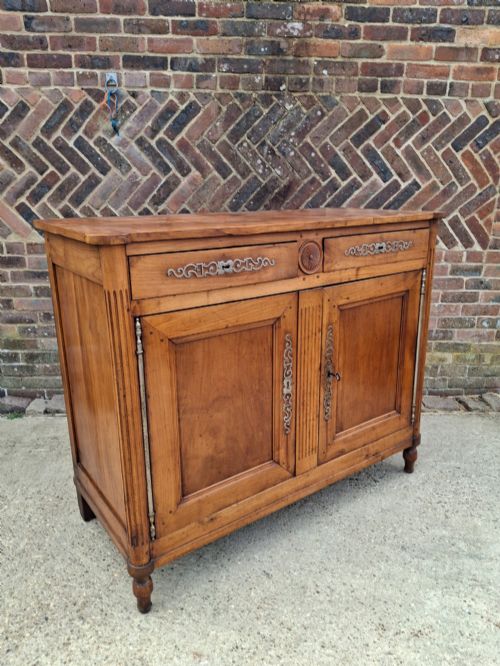
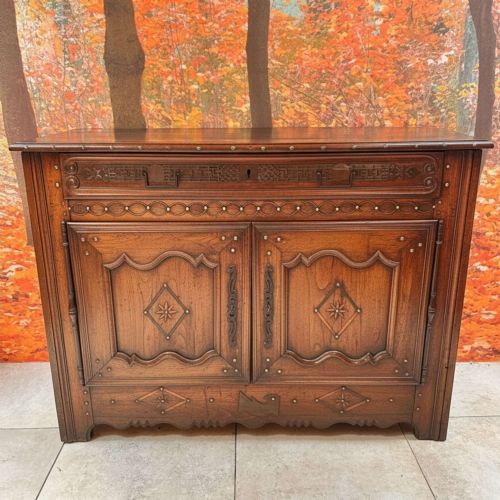
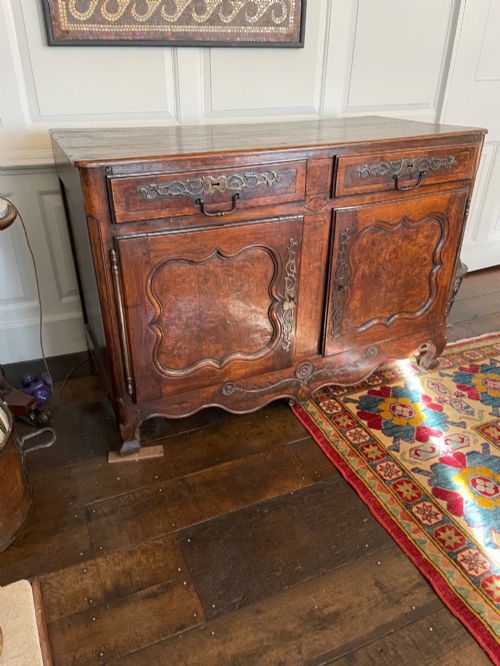
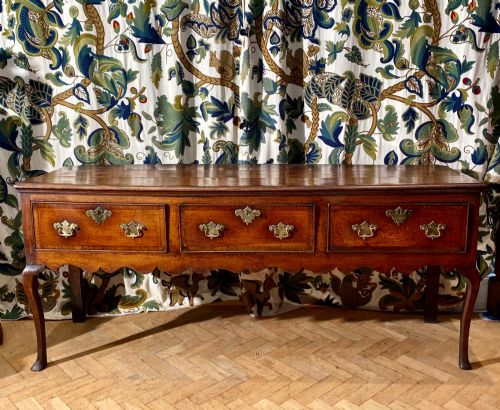
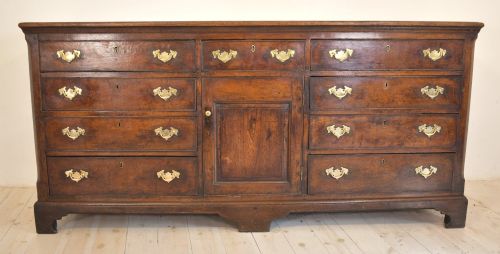
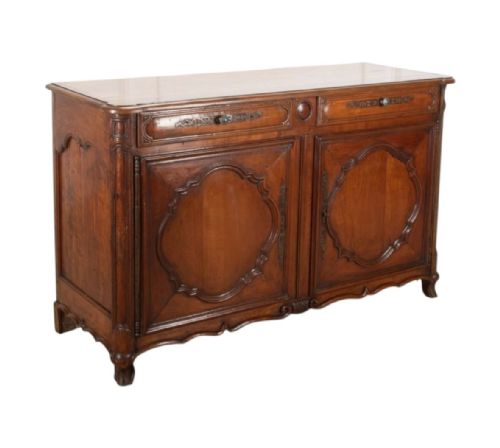
A provincial wooden credenza encompasses sturdy storage furniture designed in regional workshops, spanning oak, walnut, cherrywood, and elm varieties. The inventory leans heavily towards eighteenth- and nineteenth-century French buffets, dresser bases, and sideboards shaped by local rural traditions rather than metropolitan court styles.
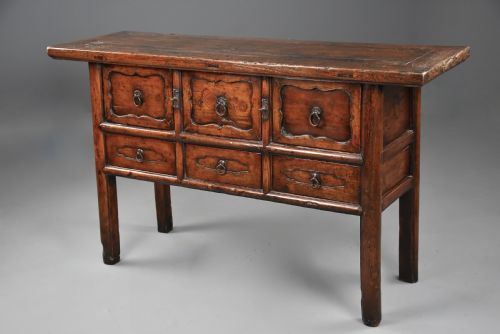
Buyers encounter low kitchen buffets, sacristy cabinets, enfilades, and painted cupboards alongside Chinese elm consoles and Swedish linen cupboards. These forms share a utilitarian heritage, intended for daily household storage in dining rooms, hallways, and kitchens.
How they were made
Joiners built these pieces using solid regional hardwoods such as oak, walnut, and cherrywood, sometimes incorporating burr ash or chestnut. Carpenters constructed frames and panels by hand, relying on traditional joints to handle the movement of native timbers over centuries.
Hardware consisted of iron and brass hinges, locks, and handles, fitted to doors and drawers. Surface treatments varied from plain waxed finishes that highlighted natural wood grain to painted wood layers applied in distinct regional styles.
Provincial Wooden Credenza Retail Price Guide 2026
Typical asking prices for provincial wooden credenza among the pieces listed under this phrase on Sellingantiques today, from the lower quarter to the upper quarter. They describe what is for sale here now, not the wider market.
Sacristy cabinets once used in quiet European church vestries now happily hold dinner plates and wine bottles.
What varies in quality
The standard of a piece depends on the selection of the timber and the depth of its patina, with older eighteenth-century examples displaying richer grain depth. Hand-carved details and the integration of original brass or iron hardware elevate the craftsmanship above simpler utilitarian versions.
Construction integrity defines the upper tiers, where tight joints and well-hung doors demonstrate superior regional joinery. Painted surfaces also vary, with original untouched pigment showing greater authenticity than later decorative layers.
The Provincial Wooden Credenza Glossary
- Buffet
- A low storage cabinet traditionally used for food preparation and serving in dining spaces. These pieces often feature multiple doors and drawers.
- Dresser base
- A sturdy wooden table base equipped with drawers along the top and open space or cupboards beneath. They originated in provincial kitchens for daily culinary work.
- Enfilade
- A long sideboard or buffet designed with a succession of cabinet doors in a single line. This form provided substantial storage in large European dining rooms.
- Patina
- The deep sheen and surface character developed by wood over decades of handling, polishing, and ageing. It serves as an indicator of a piece's age and history.
- Directoire
- A transitional French design style dating from the late eighteenth century. It combines classical restraint with simplified geometric lines.
Provincial Wooden Credenza: Frequently Asked Questions
Where should I place a credenza?
These pieces suit dining rooms, hallways, and large living spaces where substantial storage is required. Their flat top surfaces also function well for serving food or displaying objects.
Because of their solid wooden construction and generous depth, measuring the available floor space ensures the doors and drawers open fully without obstruction.
How do I care for wooden surfaces?
Maintaining the wood involves applying natural wax periodically to nourish the grain and protect the finish from drying out. Avoiding direct sunlight and excessive heat prevents the timber from warping.
Cleaning should be done with a soft, dry cloth rather than harsh chemical polishes. This preserves the historic patina accumulated over centuries.
How can I tell the period?
Dating relies on examining construction methods, timber types, and hardware fixings used in the piece. Eighteenth-century examples often display hand-cut joinery and dense regional hardwoods like walnut or oak.
Later nineteenth-century pieces may incorporate machine-sawn elements or different stylistic revivals such as French Renaissance Revival or Directoire details. Comparing the carcass construction and backboards provides further clues to age.