

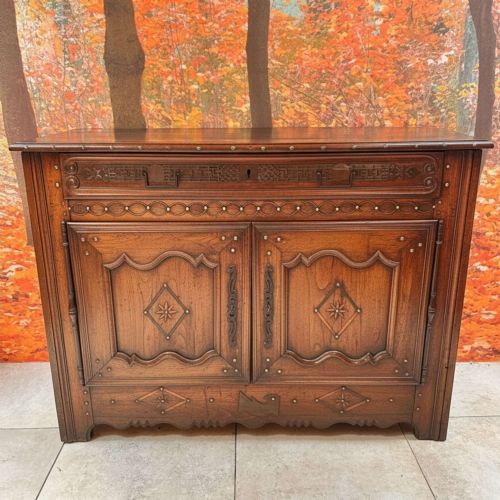
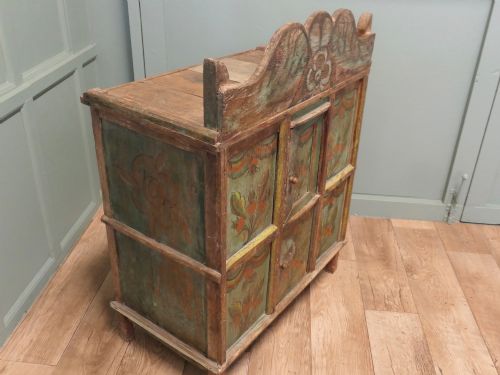
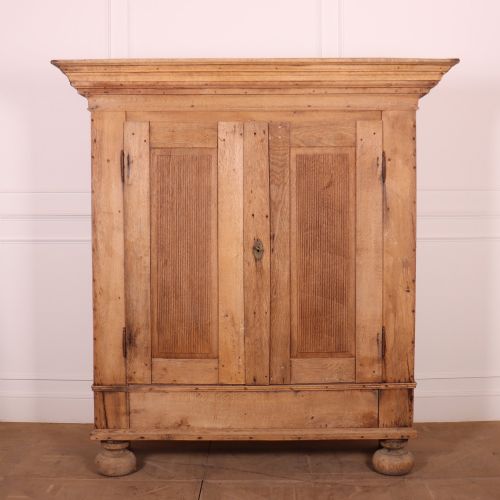
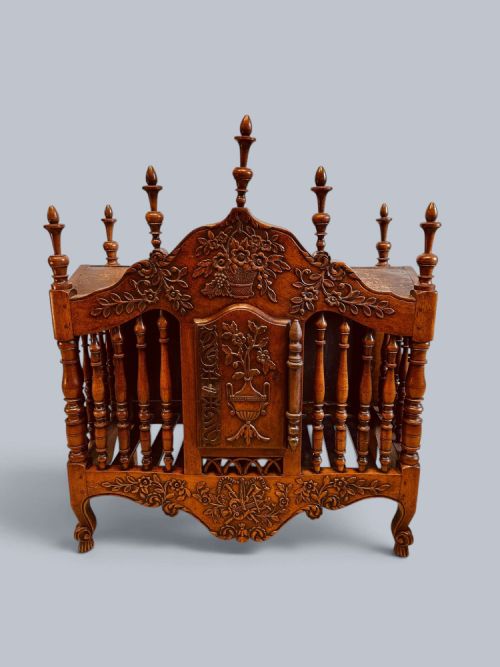

Provincial Wooden Cabinet
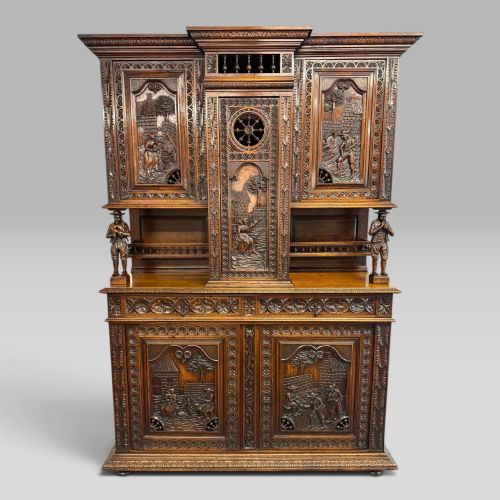
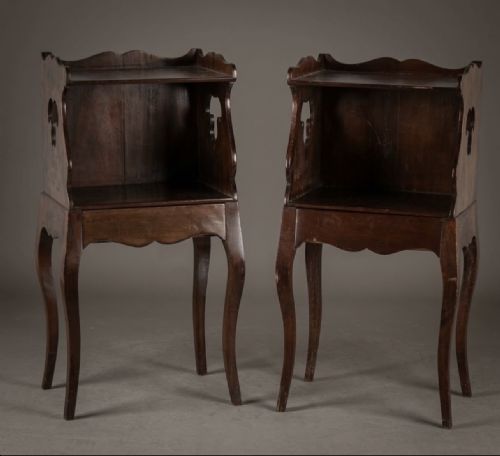
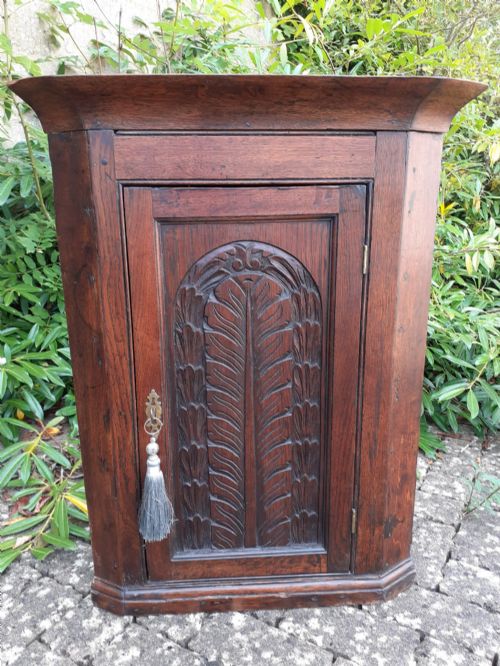
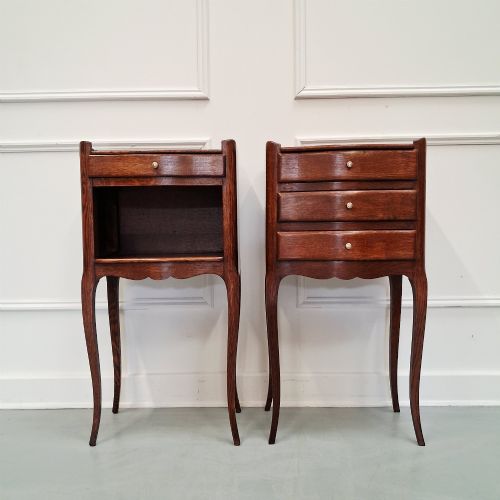
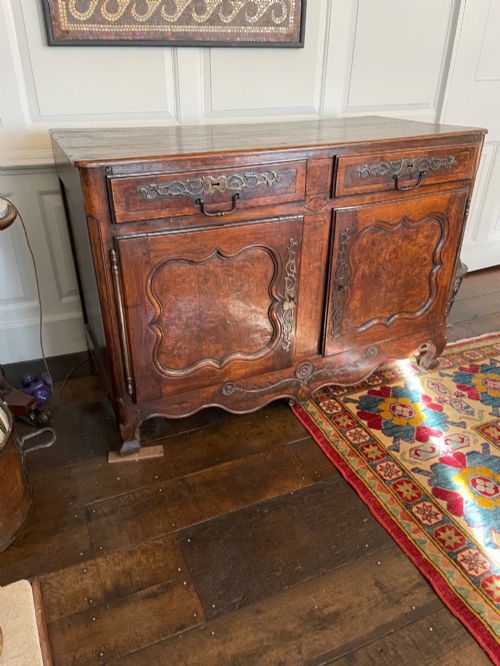
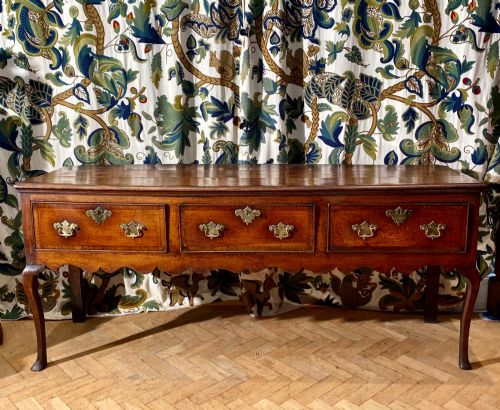
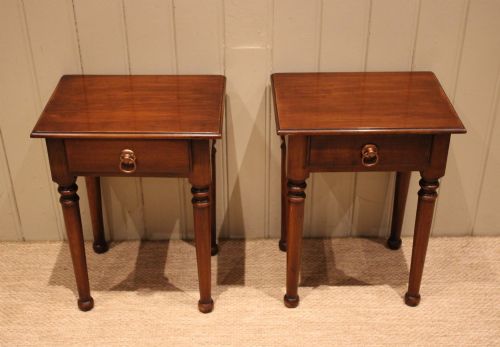
These pieces are a provincial wooden cabinet, offering practical storage fashioned by regional makers from oak, walnut, cherrywood and pine.
Provincial Wooden Cabinet
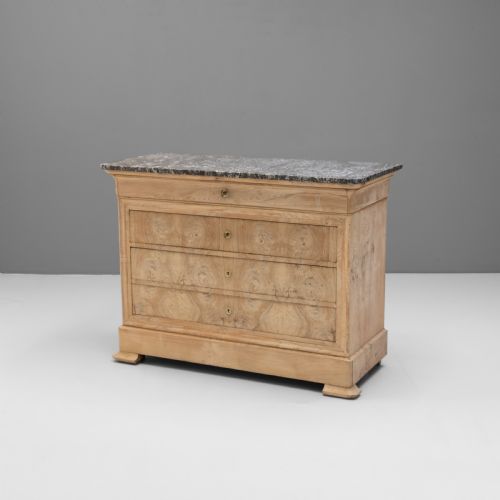
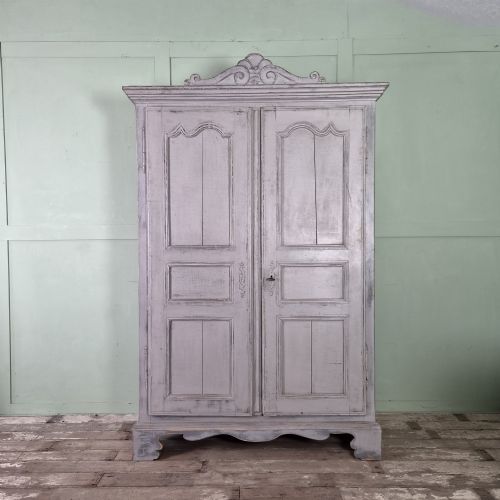
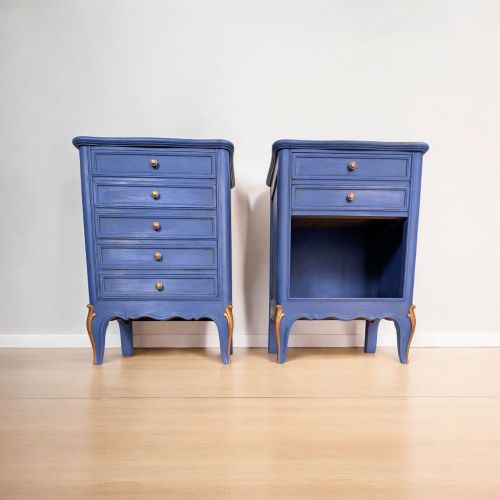
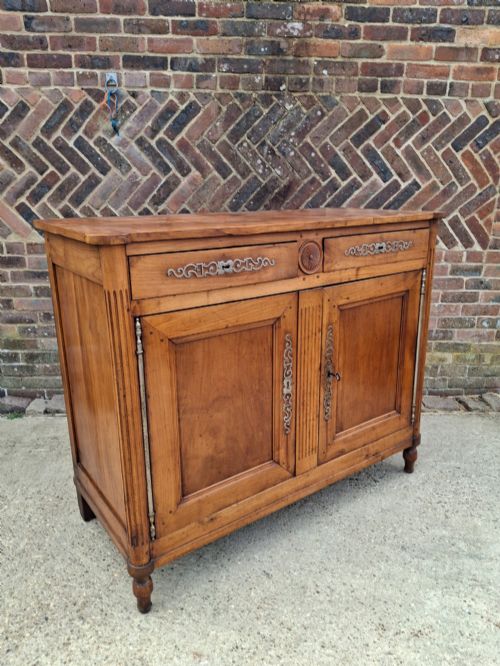
A provincial wooden cabinet encompasses regional furniture made across European and Chinese workshops, taking the form of bedside tables, armoires, sideboards and cupboards. Buyers seeking this phrase encounter sturdy domestic pieces originating from the eighteenth and nineteenth centuries, alongside twentieth-century interpretations.
The regional variations include French sacristy cabinets, Italian marriage cupboards and Chinese elm side tables. Oak, cherrywood and walnut predominate, often shaped with panelled doors, carved details or painted finishes suited to country interiors.
Materials and Construction
Local joiners utilised native hardwoods such as solid oak, walnut and cherrywood, supplemented by pine and chestnut for secondary timbers. Panels were frequently joined using traditional pegged mortise and tenon construction to accommodate seasonal movement in unheated rooms.
Hardware typically consists of wrought iron hinges and brass pulls, while decorative surfaces show carved mouldings, turned legs, or layers of aged paint. Certain items incorporate marble tops or glazed doors for display storage.
Provincial Wooden Cabinet Retail Price Guide 2026
Typical asking prices for provincial wooden cabinet among the pieces listed under this phrase on Sellingantiques today, from the lower quarter to the upper quarter. They describe what is for sale here now, not the wider market.
Listings span the seventeenth through to the twentieth century, featuring oak, walnut, cherrywood, pine and chestnut woods.
Grading Craftsmanship
Quality rests upon the selection of timber and the integrity of the original construction rather than decorative excess. Pieces retaining their thick timber boards, original brass or iron hardware, and undisturbed surface patination stand apart from heavily restored examples.
Regional execution dictates refinement, where provincial joinery ranges from utilitarian pine storage to finely carved walnut commodes and cherrywood enfilades. The balance of proportions and depth of timber grain define the higher tiers.
The Provincial Wooden Cabinet Glossary
- Armoire
- A large freestanding wardrobe or cupboard with doors enclosing shelving or hanging space. They served as primary storage in European farmhouses before built-in closets became common.
- Commode
- A low chest of drawers or cabinet originating in France. These pieces often feature decorative wood grain or painted finishes.
- Confiturier
- A small regional French jam cupboard designed to store jars of preserves. They typically present as narrow single-door cabinets.
- Enfilade
- A long sideboard or buffet featuring multiple doors and drawers in a continuous line. They were utilised in dining spaces for serving and storage.
- Panetiere
- A traditional ventilated bread safe used in French households to protect loaves from pests. They are characterised by spindle-turned galleries.
- Patina
- The surface sheen and colour acquired by wood through age, wear and wax polishing. This quality indicates authenticity and handling over centuries.
Provincial Wooden Cabinet: Frequently Asked Questions
What rooms suit a provincial cabinet?
These cabinets suit kitchens, hallways and living rooms where functional surface space and enclosed storage are required. Smaller bedside versions fit domestic sleeping quarters.
Larger armoires and sideboards organise garments or dining tableware while adding architectural weight to open interiors.
How do I care for antique wood?
Maintain timber surfaces by applying natural beeswax sparingly and buffing with a soft cloth to nourish the grain. Avoid placement near direct heat sources.
Keep humidity stable to prevent timber from splitting or warping over seasonal changes.
Are painted finishes original?
Painted finishes on provincial furniture often date to later decorative updates rather than the initial construction period. Layered wear and surface crackling reveal the age of the paint.
Certain marriage cupboards and regional pieces retained original polychrome decoration applied by local workshops.
How do I date an old cabinet?
Dating relies on examining construction marks, tool traces, timber species and hardware fixings. Hand-cut dovetails and pegged joints indicate older craftsmanship.
Comparative study of regional styles helps narrow the origin to specific centuries such as the eighteenth or nineteenth.