

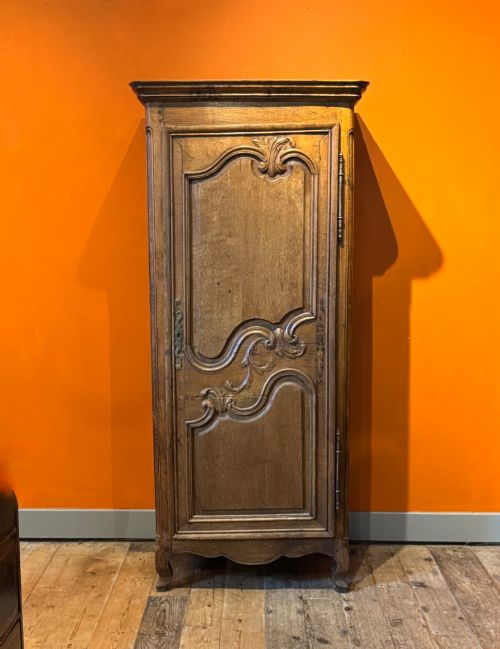


Provincial Wardrobe
A provincial wardrobe provides robust storage while bringing regional character into a bedroom through substantial timber construction.
Provincial Wardrobe
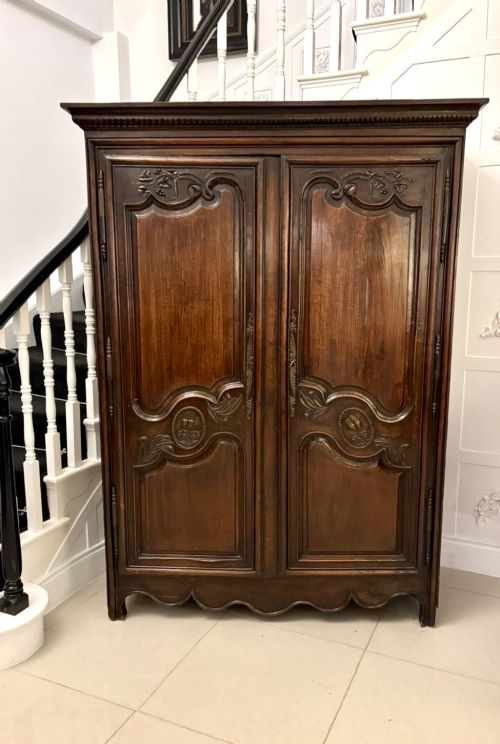
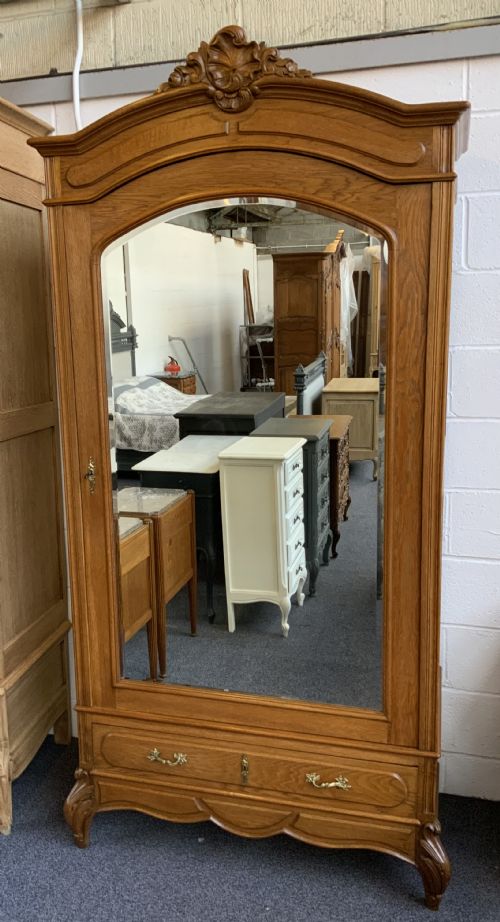
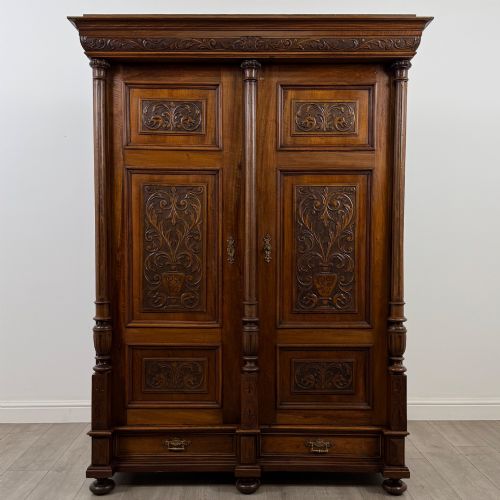
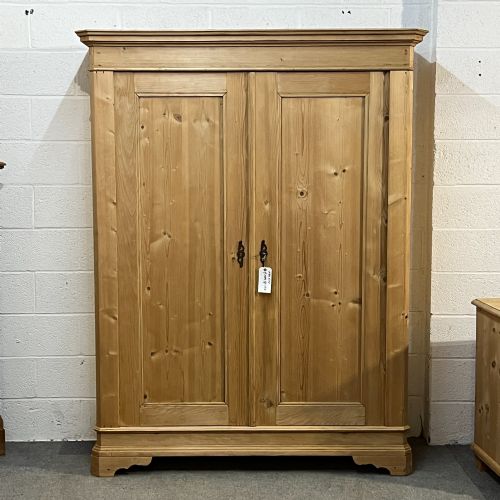
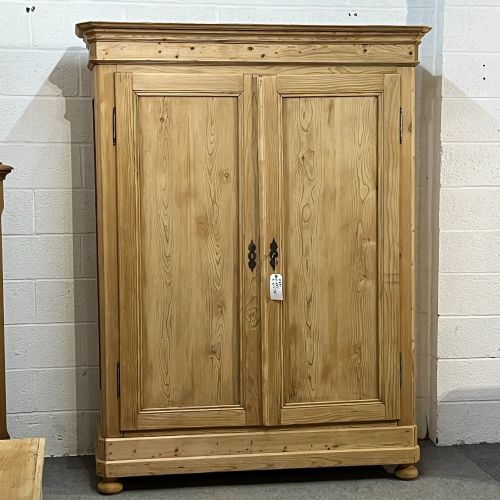
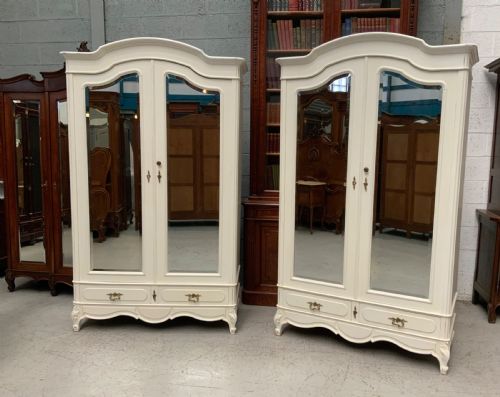
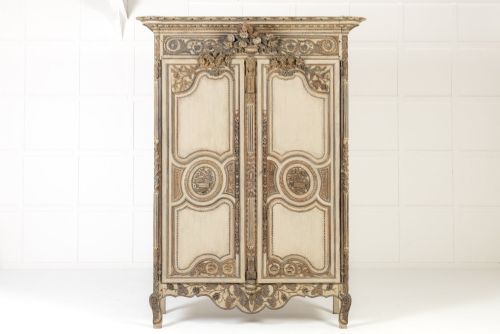
A provincial wardrobe encompasses large freestanding storage pieces constructed in regional European workshops during past centuries. Buyers searching for a provincial wardrobe encounter armoires, cupboards, and cabinets originating from France, Italy, Germany, and Scandinavia.
The material selection leans heavily toward sturdy regional hardwoods and softwoods. Oak, walnut, pine, and cherry form the primary structure of these storage pieces.
Regional variations span multiple centuries, ranging from eighteenth-century examples to pieces made in the early twentieth century. Common forms include single and double door armoires, housekeeper cupboards, and bonnetieres.
Materials and construction
Makers utilised solid timbers such as oak, walnut, pine, and cherry, often shaping them with hand tools. Joinery relies on traditional methods to build the large frames required for holding garments and linen.
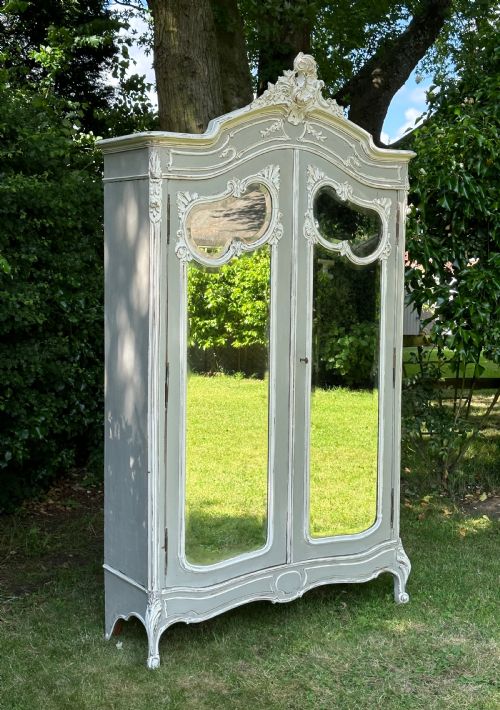
Metal hardware such as brass handles, hinges, and key escutras add functional detail to the timber doors. Painted finishes and bleached treatments appear across various pieces, altering the raw surface of the wood.
Provincial Wardrobe Retail Price Guide 2026
Typical asking prices for provincial wardrobe among the pieces listed under this phrase on Sellingantiques today, from the lower quarter to the upper quarter. They describe what is for sale here now, not the wider market.
Listings span oak, walnut, pine, and cherry, with periods ranging from the eighteenth century through to the early twentieth century.
Assessing the execution
The depth of carving and the crispness of moulded details distinguish standard storage cabinets from finer regional examples. Regional pieces with deeply recessed panels and balanced proportions display superior cabinetmaking skill.
The choice of primary timber influences the overall integrity and visual weight of the structure. Dense hardwoods like oak and walnut maintain stability better than softer woods over centuries of use.
The Provincial Wardrobe Glossary
- Armoire
- A large tall wardrobe or cupboard with doors enclosing space for hanging garments or shelves. This term originates from French regional furniture traditions.
- Bonnetiere
- A single door tall cupboard originally designed for storing caps and headwear. These narrow cabinets often feature carved oak or walnut panels.
- Housekeeper cupboard
- A utilitarian storage piece built with multiple doors for linen and provisions. These functional items frequently appear in regional pine and oak.
- Escutcheon
- A protective plate surrounding a keyhole, frequently cast in brass. These metal fittings provide decorative accentuation on wooden doors.
- Bleached oak
- Timber treated to lighten the natural tone of the grain while retaining the texture of the wood. This finish appears on several twentieth-century French pieces.
Provincial Wardrobe: Frequently Asked Questions
How do I use a provincial wardrobe today?
These large cabinets serve effectively as bedroom wardrobes or living room linen stores. Internal modifications such as hanging rails fit easily inside the spacious timber carcasses.
Their substantial presence anchors a room while hiding modern belongings behind traditional panelled doors.
What timber was used for regional wardrobes?
Makers selected timbers native to their specific regions, predominantly oak, walnut, pine, and cherry. Regional preferences dictated whether a piece received a painted finish or remained as polished wood.
Hardwoods provided greater structural durability for large armoires built in France and Germany.
How do I date an older wooden armoire?
Examining the joinery, hardware, and tool marks helps determine the period of construction. Hand-cut panels and forged iron or brass fittings point toward earlier centuries of manufacture.
Stylistic cues like Louis XV motifs or regional carving styles provide further chronological context.
Are painted finishes original to these cupboards?
Many regional cupboards received coats of paint or decorative finishes during their working lives to suit local interiors. Some pieces display later painted treatments applied to change the appearance of the timber.
Physical inspection of the paint layers reveals whether the surface finish aligns with the age of the wood.