







Provincial Wall Cupboard
A provincial wall cupboard brings rustic charm and honest utility to any room, offering compact storage shaped by regional craft traditions.
Provincial Wall Cupboard
When you search for a provincial wall cupboard, you encounter robust storage pieces created for everyday domestic life outside major urban centres. These items reflect regional European styles, predominantly French and Italian, dating from the seventeenth century through to the nineteenth century.
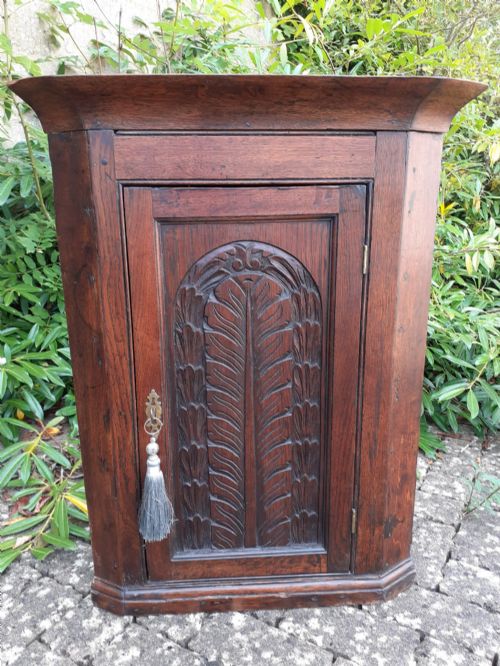
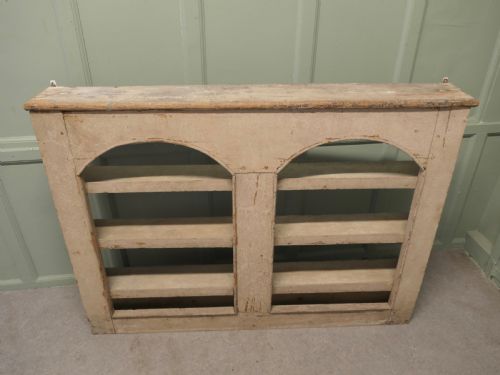
The selection here includes hanging food cupboards, corner cabinets, and shelved alcove units designed to make the most of domestic wall space. Oak, walnut, chestnut, and fruitwood dominate the forms, often retaining original iron and brass hardware or traces of distemper paint.
How they were made
Cabinet makers built these pieces using solid regional timbers like oak, walnut, and pine, employing traditional joinery such as pegged mortise and tenon frames. Surfaces often display hand-carved details, raised panels, and turned finials executed with simple local tools.
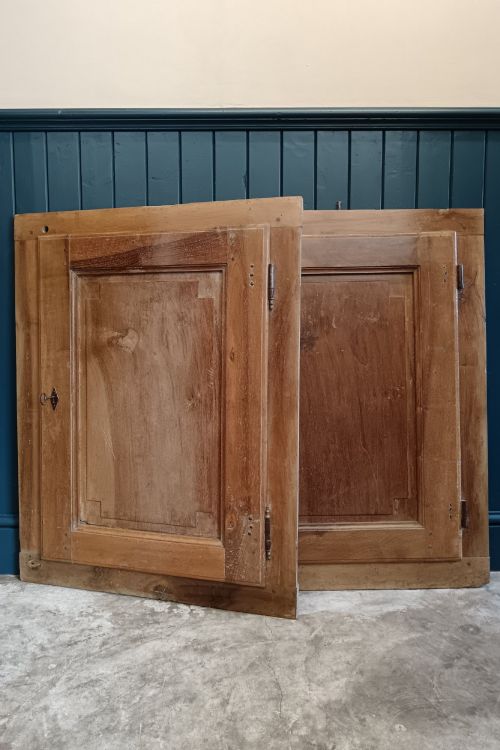
Iron hinges, latches, and brass escutcheons secure the doors, while some items feature distemper paint finishes applied directly to the bare wood. The construction focuses on durability and practical storage rather than courtly refinement.
Provincial Wall Cupboard Retail Price Guide 2026
Typical asking prices for provincial wall cupboard among the pieces listed under this phrase on Sellingantiques today, from the lower quarter to the upper quarter. They describe what is for sale here now, not the wider market.
Listings feature regional furniture spanning the seventeenth to the nineteenth centuries, constructed primarily from oak, walnut, chestnut, and pine.
What varies in quality
The distinction between standard utility items and finer examples rests on the choice of timber and the depth of carving. Dense hardwoods like walnut and finely figured oak command greater appreciation than plain pine or utilitarian fruitwood.
Proportion and the retention of original surface finishes dictate the visual strength of a piece. Cabinets that preserve their early hardware and untouched timber patination demonstrate superior historic integrity.
The Provincial Wall Cupboard Glossary
- Panetiere
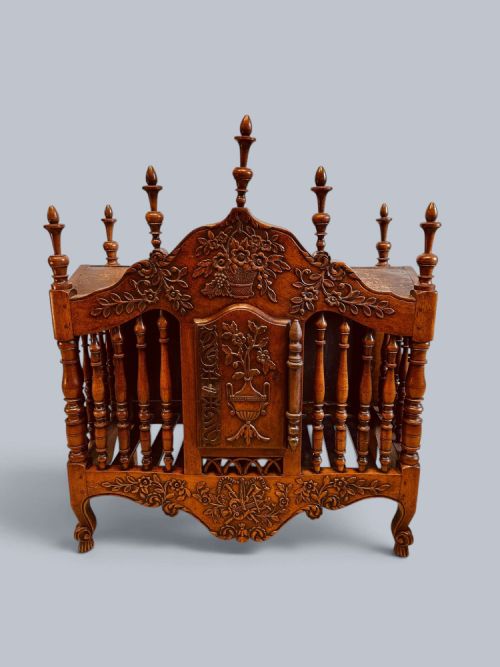
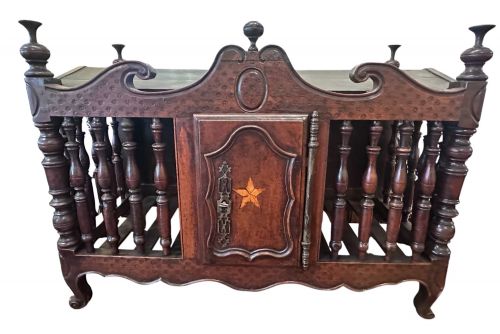
- A traditional French bread cage or bread store featuring turned spindles or carved openings designed to keep loaves ventilated. These wall-mounted or freestanding units are characteristic of eighteenth-century rural homes.
- Distemper paint
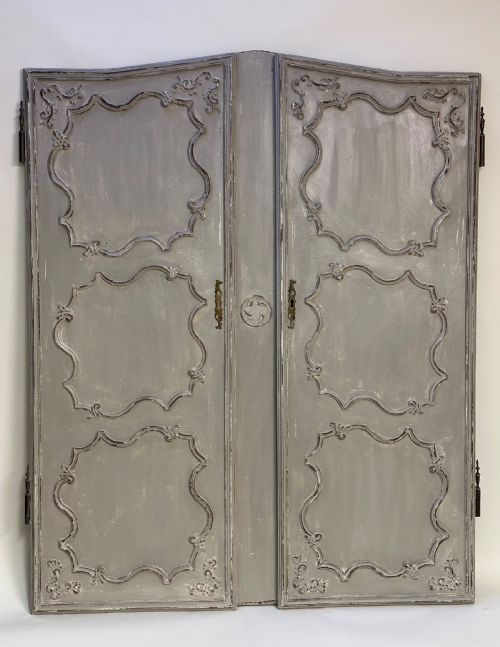
- A water-based medium utilising animal glue or size as a binder, commonly applied to early provincial furniture and woodwork. Original traces of this finish contribute significantly to a piece's historic character.
- Escutcheon
- A protective plate surrounding a keyhole, frequently forged from brass or iron on older cabinetry. These fittings range from plain utilitarian shapes to elaborate decorative motifs.
- Finial
- A decorative terminal ornament, often turned by hand, used to accent the top corners or crests of cabinets and panetieres. They provide a neat vertical finish to the timber framework.
Provincial Wall Cupboard: Frequently Asked Questions
Where should I hang a wall cupboard?
These cabinets suit kitchens, dining rooms, or hallways where wall space permits a compact storage unit. Ensure the mounting wall can support the weight of solid oak or walnut.
Position the cupboard at a height that allows comfortable access to the interior shelves while balancing the proportions of the surrounding furniture.
How do I clean old timber surfaces?
Dust the wood regularly with a dry, soft cloth to prevent particulate buildup in the grain and carved recesses. Avoid modern silicone sprays or harsh chemical polishes that can damage historic finishes.
Apply a microcrystalline wax sparingly if the timber appears dry, buffing gently to maintain the natural matte patination accumulated over centuries.
Are these cupboards suitable for modern walls?
Historic mounting points may not align with contemporary wall stud spacings, so careful planning is required for secure installation. Professional fitting using appropriate fixings ensures the cabinet remains stable.
Consider the projection of the doors and the depth of the shelves to ensure the piece does not obstruct household pathways.
How do I distinguish regional styles?
French provincial pieces frequently display serpentine fronts, carved fruit motifs, and airy spindle work as seen in panetieres. Italian examples often feature bolder architectural mouldings and darker walnut tones.
Examining the underlying timber species and construction methods helps identify the specific rural European workshop tradition behind each item.