




Provincial Tea Table
A provincial tea table is a low, sturdy wooden surface designed for daily use, offering quiet character and honest regional craftsmanship for the home.
Provincial Tea Table
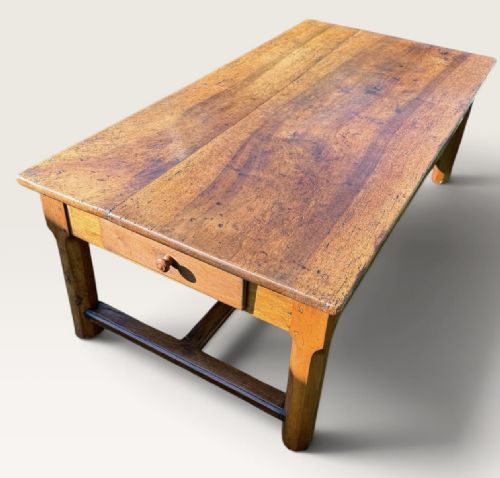
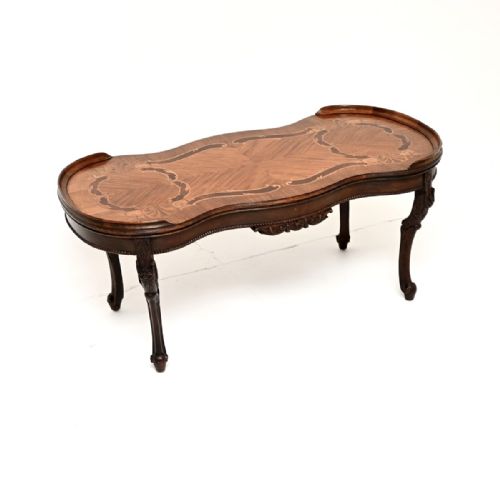
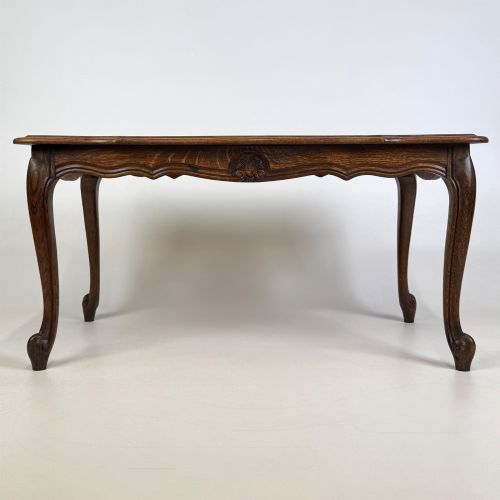
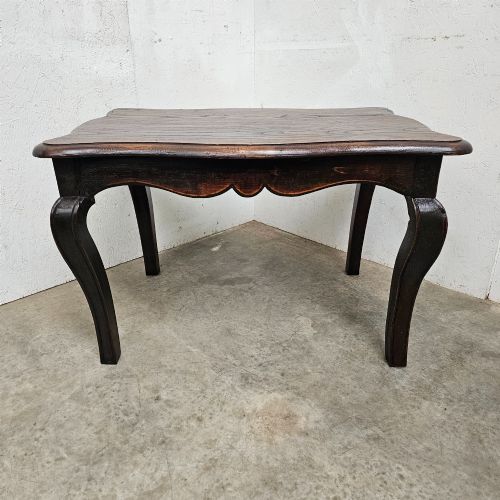
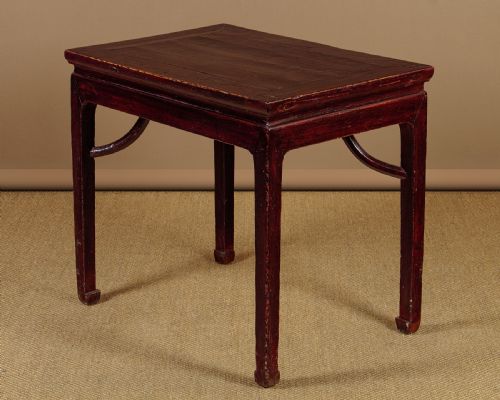
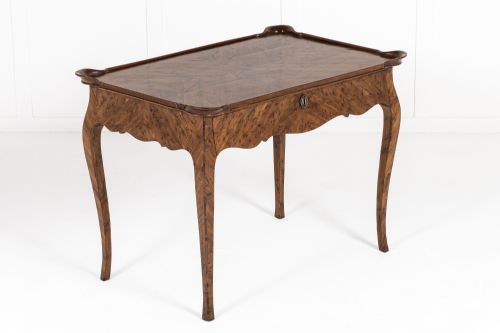
When you search for a provincial tea table, you encounter low tables, coffee tables, side tables, and occasional tables spanning the eighteenth and nineteenth centuries. The selection leans heavily towards French provincial, rustic farmhouse, and country styles alongside Chinese provincial examples.
Most pieces you meet on this page are constructed from regional timbers like oak, walnut, cherry wood, fruitwood, and elm. They range from simple turned leg designs to low tables featuring drawers, parquetry veneer, or painted finishes.
The origins stretch across European and Chinese workshops, capturing both eighteenth-century classical lines and later revival periods such as Louis XV and Edwardian iterations. Each form reflects the practical needs of rural and provincial domestic life.
How they were made
Makers utilised solid hardwoods including oak, walnut, ash, sycamore, and fruitwood, often selecting timber based on local availability. Joinery relies on traditional carpentry methods suitable for daily domestic duty.
Surfaces frequently show the grain of chestnut, elm, or cherry wood, sometimes enhanced by parquetry veneer, marquetry, paint, or gilt. Turned legs and brass details appear on specific regional variants from the eighteenth and nineteenth centuries.
One low chestnut table arrives bearing the mysterious stamped initials 'BL'.
What varies in quality
The distinction between ordinary and superior pieces rests on the choice of timber and the integrity of the original construction. Denser woods like burr walnut and finely figured fruitwood elevate a piece above standard utility tables.
Proportion and restraint in decorative elements dictate the visual success of each table. Pieces with well-balanced turned legs, crisp parquetry, or intact stamped maker marks demonstrate a higher order of regional craftsmanship.
The Provincial Tea Table Glossary
- Parquetry veneer
- Thin slices of wood arranged in geometric patterns applied to a primary timber surface. This technique creates decorative tabletops using contrasting grains.
- Fruitwood
- Timber sourced from fruit-bearing trees such as cherry or pear, prized by country makers for its smooth texture and warm tone. It was commonly used in regional European furniture.
- Turned legs
- Support posts shaped on a lathe to create cylindrical, spiral, or bulbous profiles. They provide structural stability while adding decorative detail to the base of the table.
- Marquetry
- Elaborate wood-inlay work forming pictorial or decorative designs using various tinted woods and veneers. It appears on finer revival and continental tables.
- Tripod table
- A small freestanding table supported by a central pillar resting on three individual feet. This form allows for compact placement and easy movement around a room.
Provincial Tea Table: Frequently Asked Questions
What is a provincial tea table?
A provincial tea table is a regional low table or occasional surface made from timbers like oak, walnut, and fruitwood. These pieces originate from country workshops and reflect local domestic traditions.
They serve as functional coffee tables or side tables in modern interiors, bringing historical character and honest construction to living spaces.
How do I style a provincial table?
Place a low provincial table centrally in a sitting room to anchor the furniture arrangement and provide a surface for books or lamps. Its rustic finish pairs well with natural textiles and neutral walls.
Allow the wood grain and turned legs to remain visible without cluttering the surface, letting the age and material quality speak for themselves.
How do I date an antique table?
Examine the timber species, joinery methods, and wear patterns across the underside and legs. Eighteenth-century examples often display hand-cut joints and native regional hardwoods.
Nineteenth-century and Edwardian pieces may incorporate machine-sawn elements, revival styling, or specific veneers such as burr walnut and parquetry.
Are these tables sturdy enough for daily use?
These tables were originally built for practical household tasks using solid woods like oak, elm, and fruitwood. Their robust frames and traditional joinery make them well-suited for everyday living.
Routine maintenance involves gentle cleaning and avoiding excessive moisture to protect the historic timber and wax finishes.