

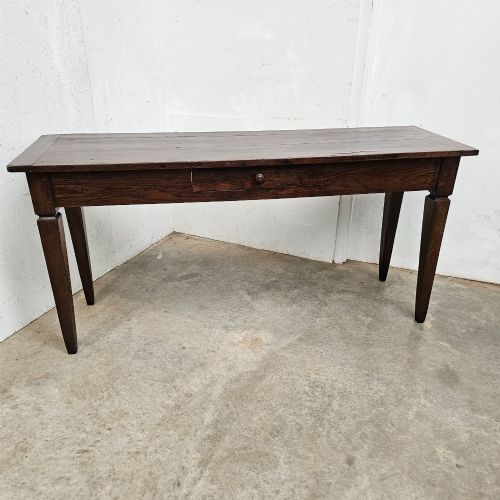
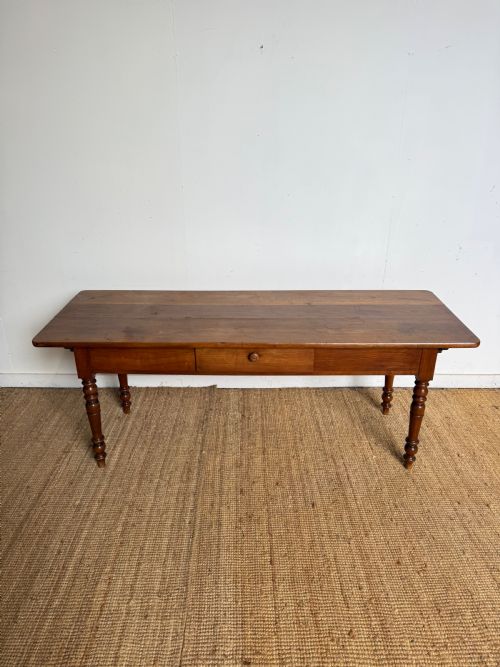


Provincial Serving Table
These provincial serving table examples bring solid timber grain and honest regional craft straight to a dining room or kitchen.
Provincial Serving Table
A provincial serving table stands as a utilitarian surface rooted in regional workshops rather than metropolitan centres. Buyers searching for a provincial serving table encounter sturdy items originating from English, French, and Scandinavian country traditions.
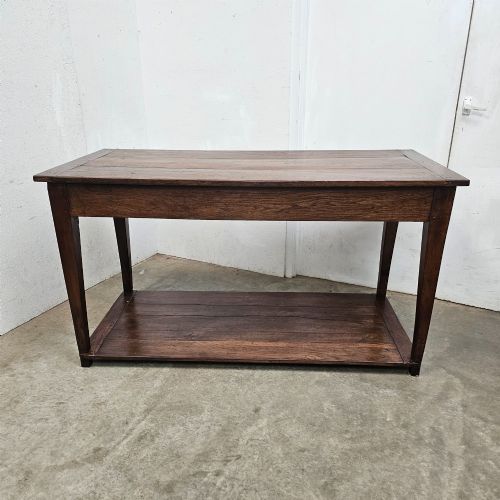
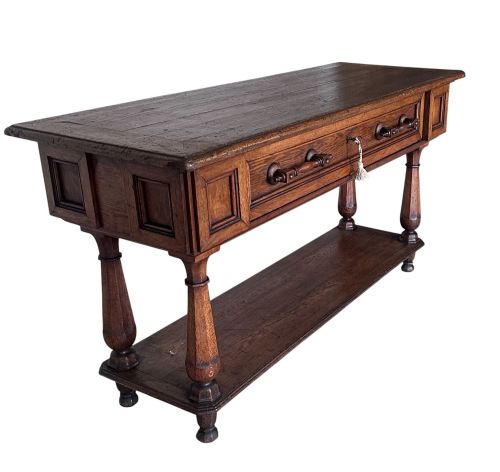
The selections on this page lean heavily towards nineteenth century examples, with older Georgian and eighteenth century pieces appearing alongside Edwardian variations. Forms range from simple console tables and potboard servers to drapers tables and work tables in oak, cherrywood, pine, and fruitwood.
Regional variations span French provincial styles, English country pieces, and Scottish provincial items. These tables served practical domestic roles in kitchens and dining spaces, prioritising utility and robust timber construction.
Materials and construction methods
Makers utilised local hardwoods and softwoods including oak, cherrywood, pine, walnut, chestnut, and fruitwood. Surfaces occasionally carry historic paint or bleached finishes, while structural elements incorporate iron and brass fixings where appropriate.
Joinery focuses on straightforward functional strength rather than elaborate ornamentation. Timber boards form plain tops above frieze drawers or open pot-shelves, reflecting the practical demands of rural workshops.
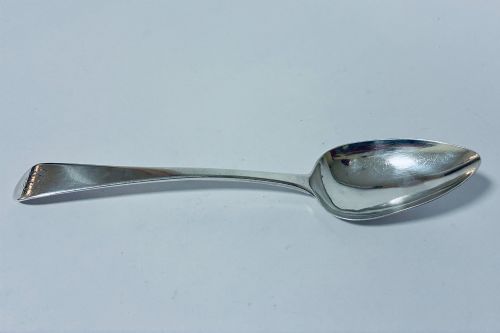
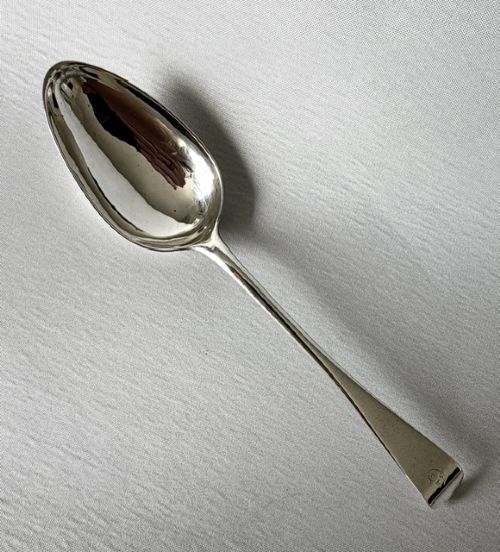
One eighteenth century maker left rat tails on spoons, ensuring future generations could identify the family recipe for soup.
Distinguishing quality across examples
Quality rests upon timber selection and the integrity of the original structure. Dense fruitwoods and figured oaks with deep patination indicate superior material choice compared to utilitarian pine alternatives.
Proportion and wear dictate the standing of a piece. Tables retaining untouched surface patination, original drawers, and honest timber movement outrank those altered by aggressive stripping or modern restoration.
James Tait
The Provincial Serving Table Glossary
- Potboard
- A lower slatted shelf fitted beneath a table top used for storing pots and kitchen utensils. This feature appears frequently on English country servers.
- Console table
- A table designed to stand against a wall, often secured with brackets. Provincial versions serve interchangeably as side tables or servers.
- Fruitwood
- Timber sourced from fruit-bearing trees such as cherry or pear. Makers valued it for a warm tone and smooth grain.
- Drapers table
- A long, wide table with a lower shelf utilised for displaying textiles or folded fabrics in a shop setting. These pieces adapt well to modern serving use.
- Provincial
- Denoting an origin outside the capital city, reflecting local materials and traditional vernacular design. Regional pieces often display charming deviations from metropolitan standards.
Provincial Serving Table: Frequently Asked Questions
What is a provincial serving table?
A provincial serving table is a regional domestic surface designed for food preparation and service in country homes. These tables originate from local workshops rather than city centres.
They utilise native timbers such as oak, cherrywood, and pine, often featuring simple drawers or lower pot-shelves for storage.
How were provincial serving tables used?
These tables functioned as practical work surfaces in country kitchens and dining rooms. Cooks used them to prep meals and lay out dishes before serving.
Lower shelves held heavy kitchen pots, while drawers kept utensils close at hand during daily tasks.
How do I style a provincial table?
A provincial serving table suits dining rooms, kitchens, or hallways as a statement console. Pair the timber surface with simple ceramics or everyday tableware.
Allow the natural wood grain and historic patination to remain the visual focal point of the space.
How to tell periods apart?
Earlier eighteenth century and Georgian pieces display hand-cut joinery and deeper timber patination. Nineteenth century examples often show industrial saw marks and simpler pine or fruitwood construction.
Hardware and drawer construction methods further help distinguish a Georgian origin from later nineteenth century production.