


Provincial Server
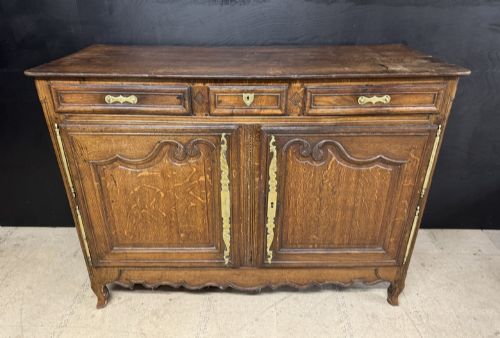
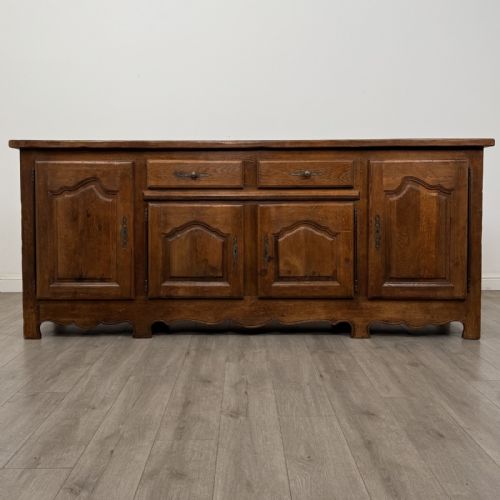
A provincial server brings functional utility and regional character to an interior, spanning sturdy oak dresser bases and walnut sideboards.
Provincial Server
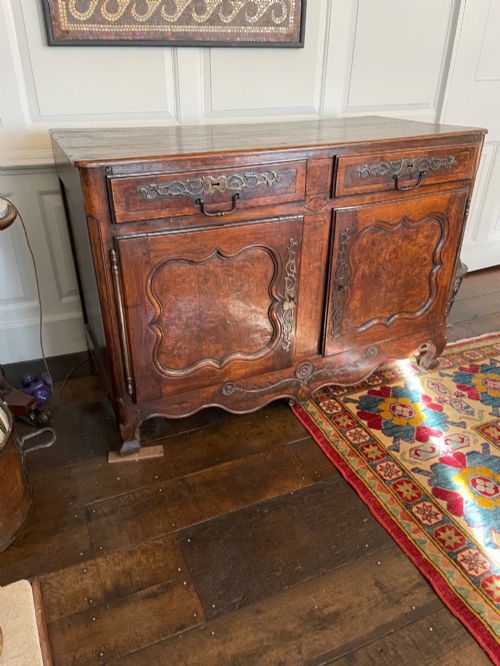
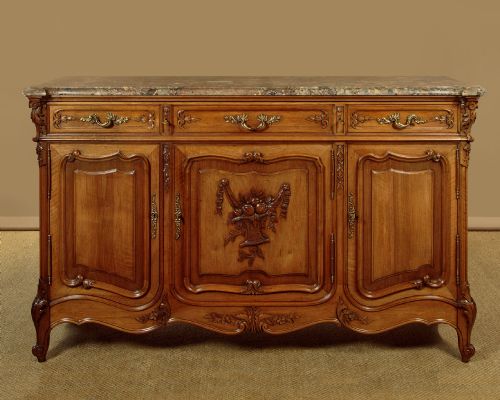
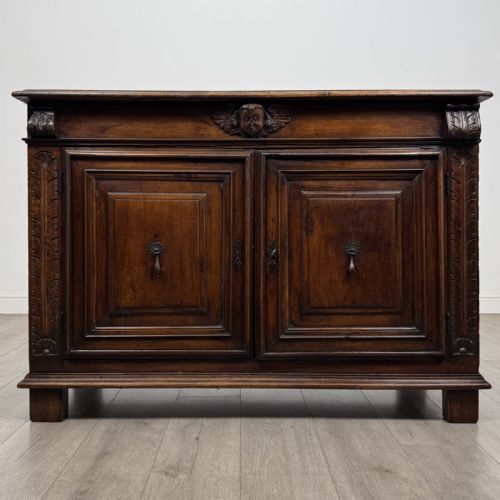
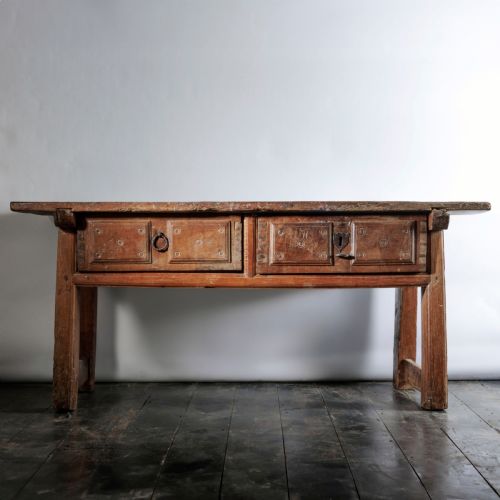
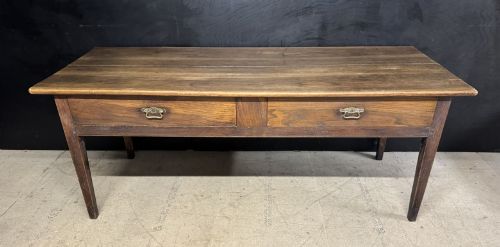
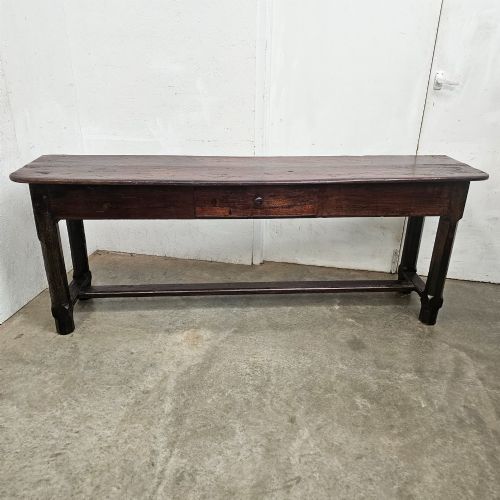
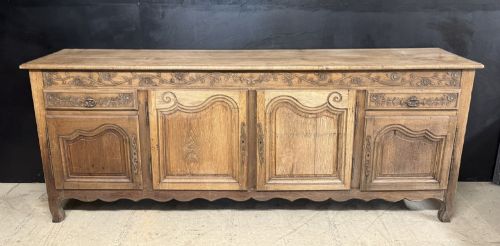
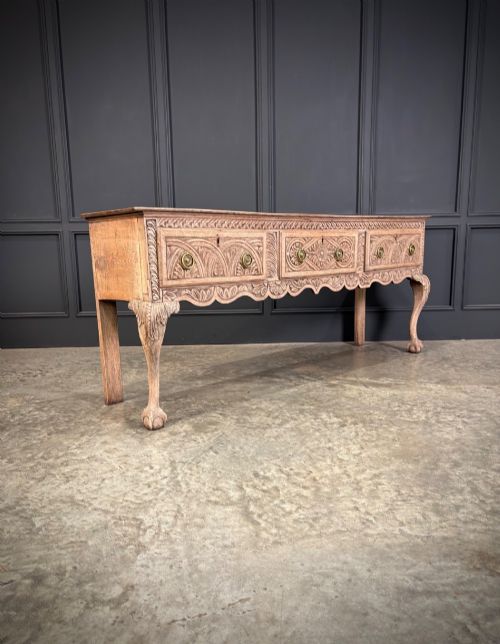
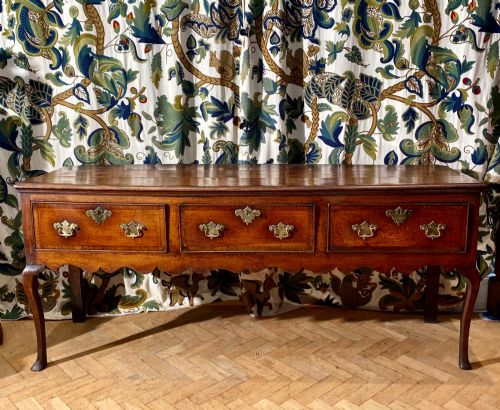
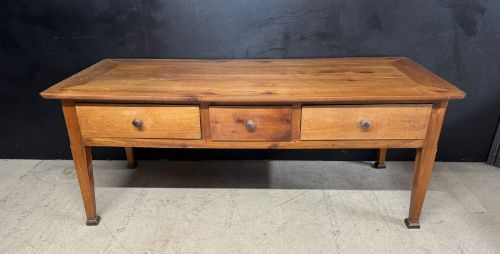
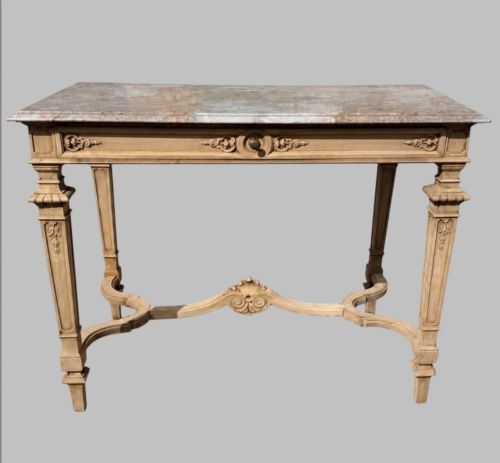
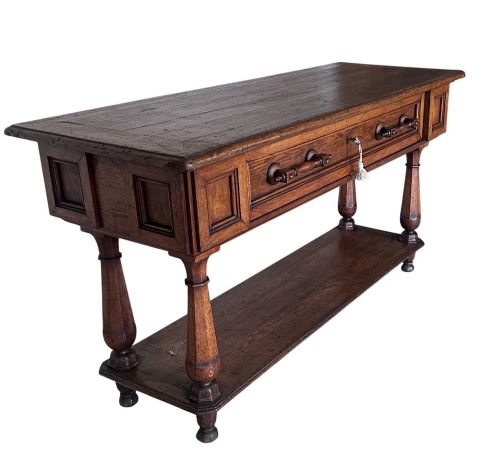
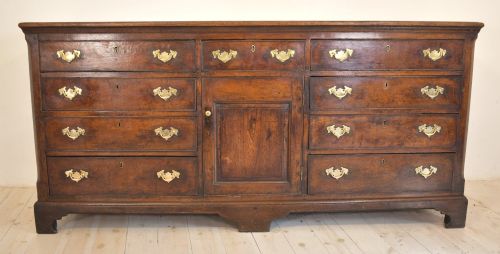
A provincial server encompasses practical dining and preparation furniture created outside major metropolitan centres, drawing from regional British, French, and Spanish traditions. When searching for a provincial server, buyers encounter diverse forms including oak dresser bases, cherrywood console tables, walnut buffets, and marble-topped serving surfaces.
The pieces appearing on this page originate predominantly from the eighteenth and nineteenth centuries, alongside select examples from later decades. Forms range from long painted pine consoles and fruitwood prep tables to substantial enfilades and carved sideboards designed for domestic storage and food service.
Construction and materials
Constructed primarily from regional timbers such as oak, walnut, cherrywood, fruitwood, and pine, these servers rely on traditional joinery suited to daily utility. Master craftsmen utilised solid woods for structural frames, incorporating drawers, pot-shelves, and occasionally marble or brass elements for enhanced durability.
Surfaces frequently display natural patinas developed through generations of use, sometimes complemented by original paint or careful hand-carving. The integration of local materials defines the distinct regional styles, from French country buffets to Lancashire dresser bases.
Provincial Server Retail Price Guide 2026
Typical asking prices for provincial server among the pieces listed under this phrase on Sellingantiques today, from the lower quarter to the upper quarter. They describe what is for sale here now, not the wider market.
Forms span French enfilades, English dresser bases, and Chinese elm sideboards.
Assessing quality and character
Quality in a provincial server reveals itself in the integrity of the timber selection and the restraint of its construction. Pieces fashioned from dense, well-figured walnut or heavy oak with original hardware demonstrate superior craftsmanship compared to simpler utility items.
The depth of the patina and the harmony of regional proportions distinguish finer examples. Unaltered surfaces and authentic historical wear carry more weight among collectors than overly restored or heavily embellished finishes.
The Provincial Server Glossary
- Dresser base
- A low utilitarian table or cabinet featuring drawers and occasionally an open pot-shelf below, traditionally used for food preparation and storage.
- Enfilade
- A long sideboard or buffet cabinet designed for formal dining rooms, providing extensive surface space and interior storage.
- Patina
- The surface sheen and colour acquired by wood and paint over decades of handling and use, valued as an indicator of age.
- Potboard
- An open lower shelf fitted between the legs of a serving table or dresser base, originally intended for storing heavy pots and pans.
- Console table
- A table designed to stand against a wall, frequently topped with marble or wood and utilised for display or serving.
Provincial Server: Frequently Asked Questions
How were these servers used?
These pieces served as central workspaces for food preparation, plating meals, and storing kitchen utensils or dining linen. Many featured drawers for small implements and lower shelves for bulky pots.
In larger rooms, they doubled as display surfaces for pewter, ceramics, and serving dishes during feasts and daily family meals.
How do I style a provincial server at home?
A provincial server anchors a dining room, hallway, or kitchen with rustic warmth and historical presence. Pair the wooden surface with ceramics, glass, or simple table linens to highlight its utilitarian origins.
Marble-topped variants work particularly well in kitchens as preparation islands, while oak and walnut buffets anchor dining spaces with rich natural grain.
How do I distinguish regional styles?
Regional styles reveal themselves through timber choice, leg profiles, and hardware. French examples frequently employ cherrywood, fruitwood, or walnut with subtle carving, while English pieces rely on sturdy oak.
Details like potboards, shaped aprons, and original painted finishes point directly to the specific local workshop traditions of the maker.