



Provincial Server Cabinet
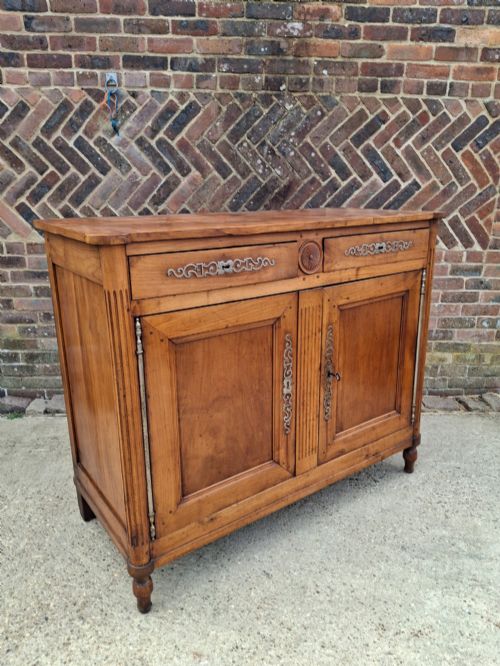
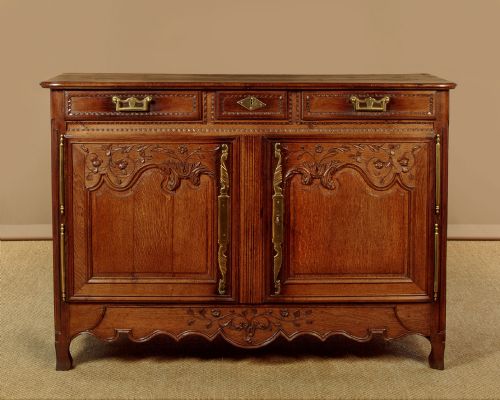
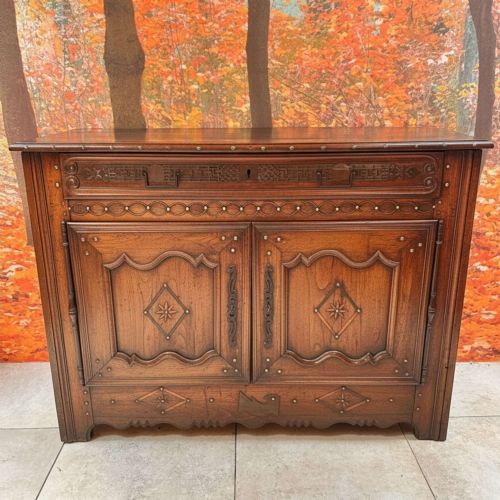
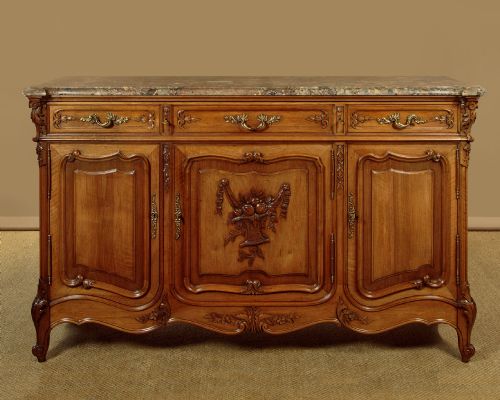
These provincial server cabinet pieces are regional storage furniture designed for serving and dining use, offering practical storage through traditional craft.
Provincial Server Cabinet
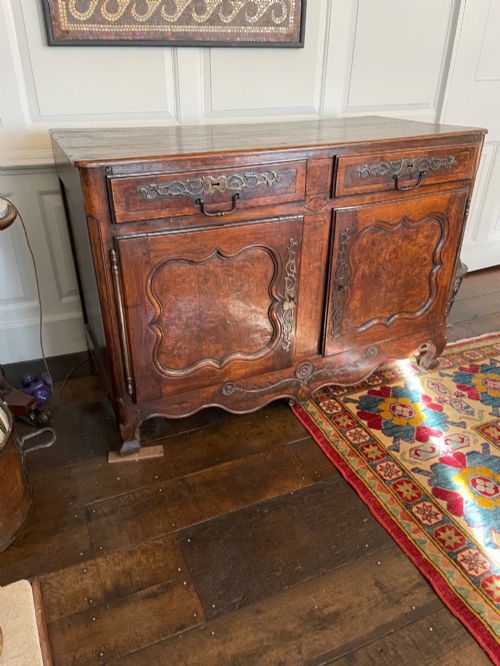
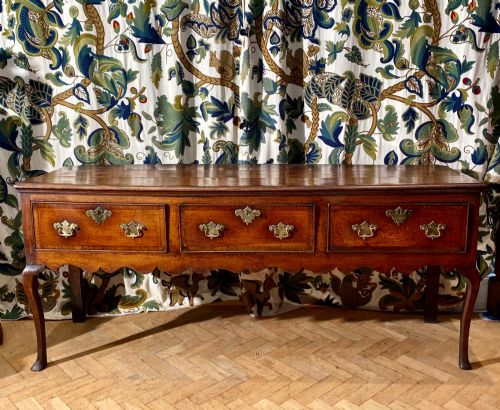
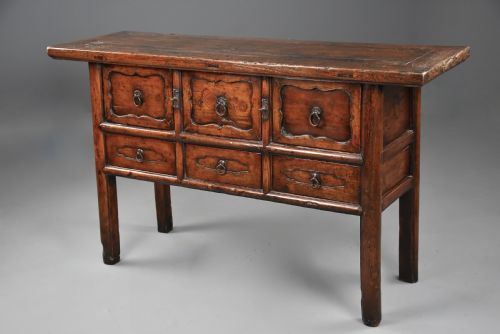
A provincial server cabinet encompasses regional forms used for dining storage, dining room service, and general utility. Buyers seeking a provincial server cabinet will encounter variations such as dresser bases, buffets, sideboards, and side cabinets originating from European and Chinese rural workshops.
The selection ranges from eighteenth-century oak and walnut pieces to twentieth-century examples in elm, cherrywood, and mahogany. Regional workshops adapted formal urban furniture designs into sturdy, functional pieces suited to domestic life outside the capital cities.
How they were made
Cabinetmakers utilised solid timbers including oak, walnut, elm, cherrywood, and pine, constructing carcases with pegged joinery, panelled doors, and hand-cut dovetails for drawers. Regional materials dictated construction methods, leading to robust framing designed to withstand decades of daily service.
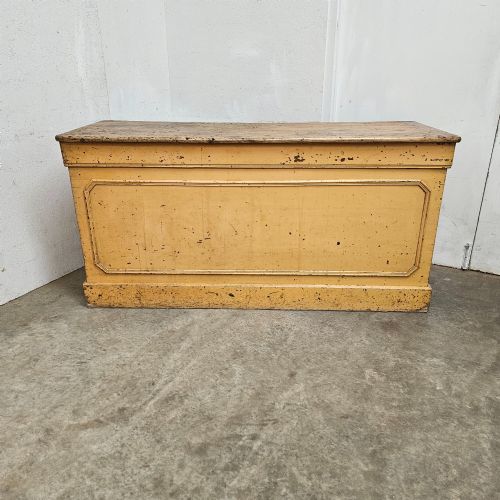
Surfaces received various treatments, from waxed finishes on figured burr elm and walnut to original painted layers on shop counters and rustic elm boards. Selected examples incorporate fitted marble tops or decorative parquetry surfaces.
Provincial Server Cabinet Retail Price Guide 2026
Typical asking prices for provincial server cabinet among the pieces listed under this phrase on Sellingantiques today, from the lower quarter to the upper quarter. They describe what is for sale here now, not the wider market.
Regional forms span French, Italian, Chinese, and Georgian aesthetic traditions, utilising marble tops, brass hardware, and original paint.
What varies in quality
Quality rests in the selection of timber and the integrity of the regional construction, distinguishing simple utility pieces from finer vernacular examples. Grain figure, such as burr elm or rich walnut, elevates the visual presence of a piece beyond basic domestic storage.
The treatment of carved ornament and the preservation of original surfaces also define the upper tier of pieces. Retained original paint, patinated hardware, and sound structural joinery indicate careful regional craftsmanship.
The Provincial Server Cabinet Glossary
- Dresser base
- A low wooden storage unit featuring drawers above cupboard doors, historically used for food preparation and serving in provincial homes.
- Parquetry
- A geometric mosaic of wood pieces used for decorative surfaces on tabletops and cabinet fronts, creating patterned visual interest.
- Buffet
- A sideboard or serving cabinet designed for holding dishes and serving food during dining occasions.
- Patina
- The surface sheen and mellowing developed on wood and other materials through age, handling, and regular waxing over centuries.
- Chateau style
- An architectural and decorative design influence reflecting the ornate woodwork and substantial proportions associated with French country houses.
Provincial Server Cabinet: Frequently Asked Questions
How were these cabinets used?
These cabinets served domestic households as practical storage units for dining utensils, linens, and provisions. Their flat upper surfaces provided a convenient staging area for serving meals.
In daily domestic life, they functioned as the central storage hub within provincial dining rooms, kitchens, and hallways.
Where were these pieces made?
Provincial cabinets originated in regional workshops across Europe and Asia, distant from capital city guilds. Makers utilised locally harvested timbers such as oak, walnut, elm, cherrywood, and chestnut.
This regional independence resulted in distinct stylistic variations characteristic of specific provinces and rural traditions.
How do I live with one?
Living with a provincial server cabinet involves placing it in a dining room, kitchen, or hallway where its storage capacity remains useful. Natural timber surfaces benefit from regular waxing to maintain the wood condition.
Protecting the surface from excessive moisture and direct heat preserves the historic finish and structural integrity.
How do I tell periods apart?
Differentiating periods relies on observing construction methods, timber selection, and stylistic details such as carved panelling or hardware. Eighteenth-century examples often display pegged joinery and hand-carved oak or walnut.
Twentieth-century interpretations incorporate marble tops, parquetry, and altered proportions while referencing earlier provincial styles.