

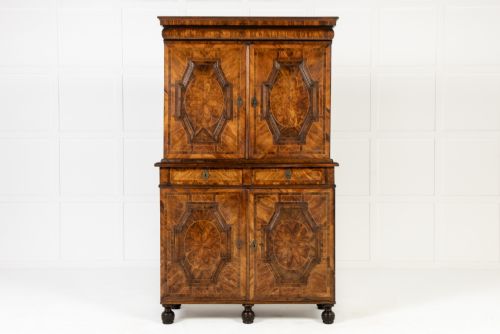


Provincial Linen Press
A provincial linen press offers robust storage with deep regional character, fashioned from solid timbers like oak, walnut, and pine.
Provincial Linen Press
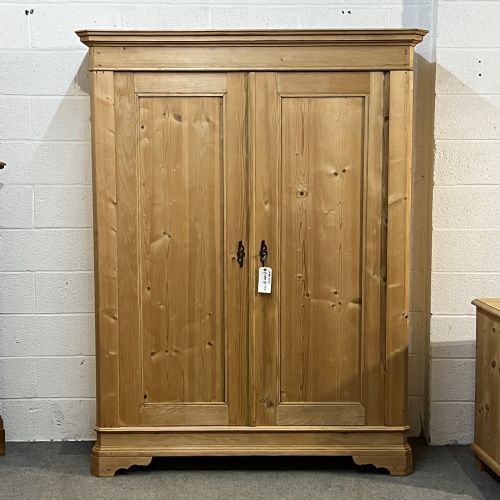
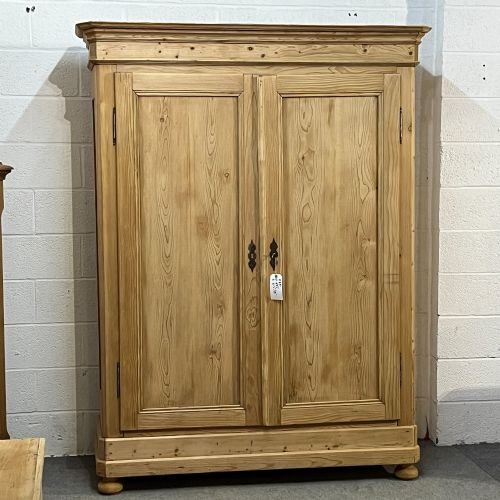
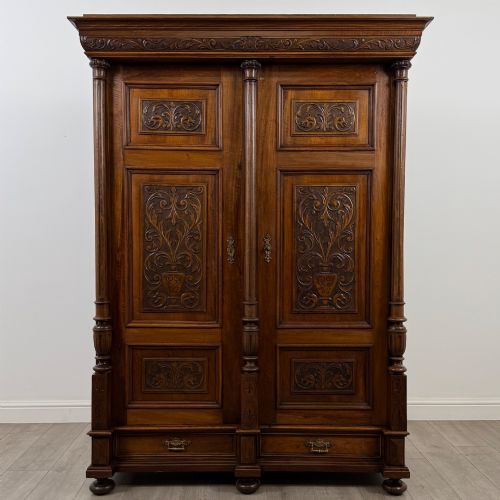
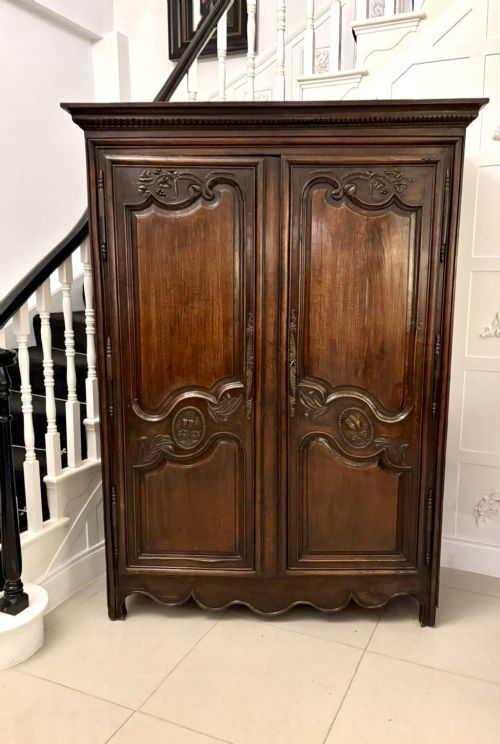
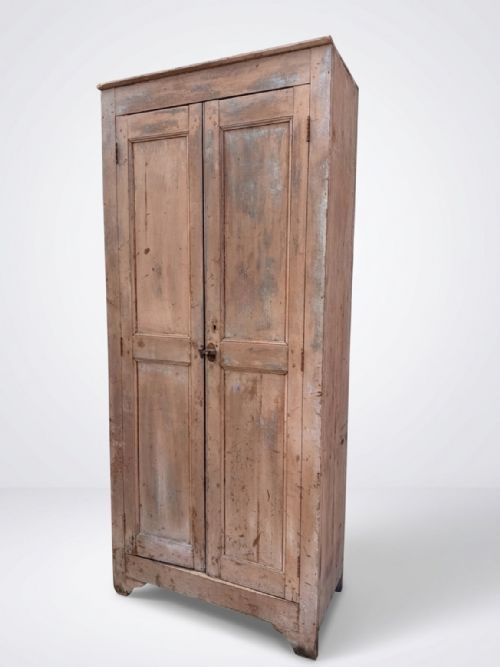
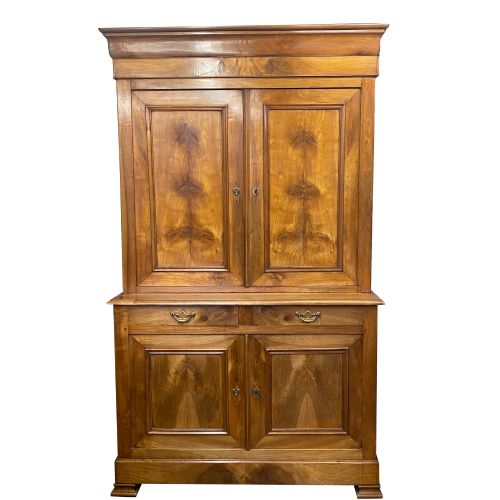
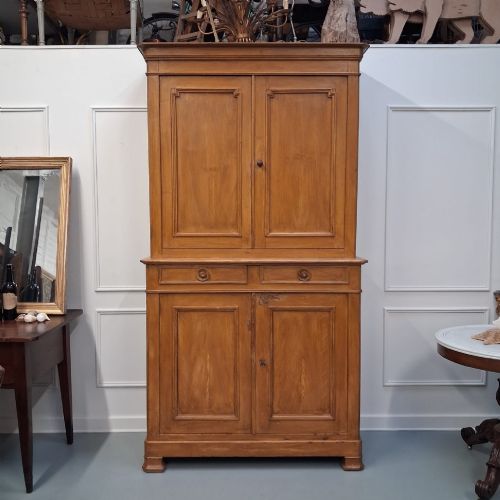
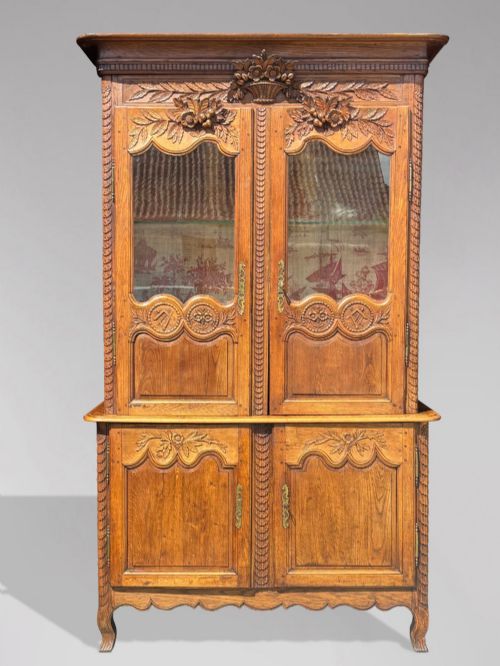
A provincial linen press combines practical storage with regional craftsmanship, often taking the form of large wardrobes, armoires, or housekeeping cupboards. When searching for a provincial linen press, buyers typically encounter sturdy wooden cabinets originating from French, Italian, or English rural workshops across the seventeenth, eighteenth, and nineteenth centuries.
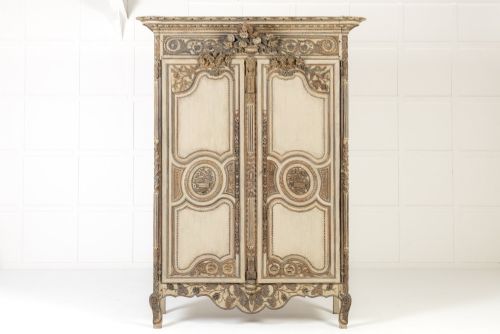
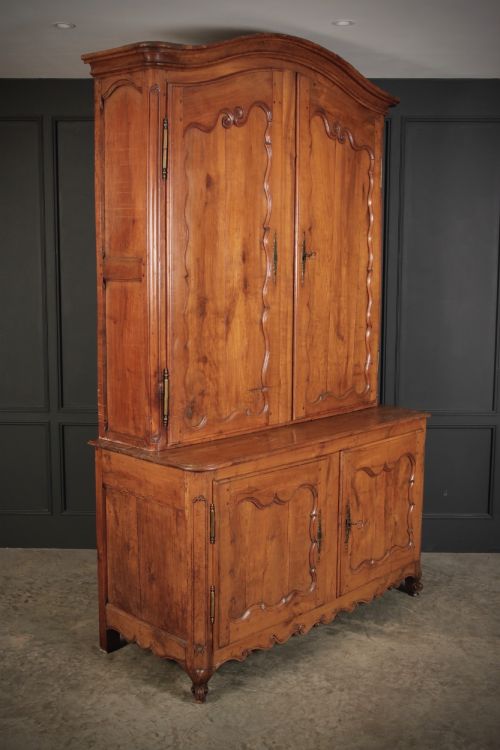
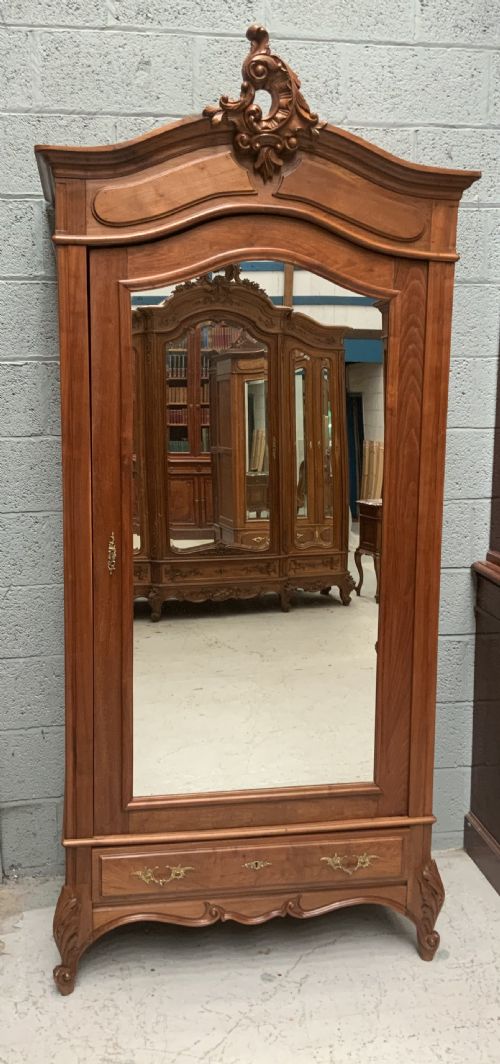
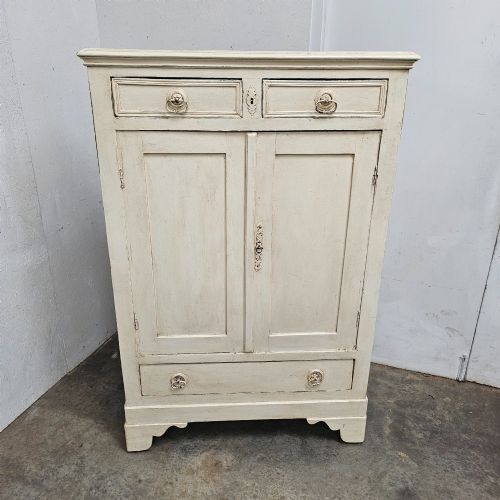
The pieces listed on this page span diverse forms, including two-part buffet deux corps cabinets, glazed dressers, and tall double wardrobes. Oak and pine dominate the selection, frequently shaped into functional domestic storage units that reflect local vernacular styles rather than urban court fashions.
Materials and construction methods
Cabinet makers relied heavily on locally available hardwoods and softwoods, predominantly utilising solid oak, walnut, cherry wood, and pine. Iron and brass hardware, such as hinges and screw mechanisms, provided essential structural support for heavy doors and internal presses.
Joinery techniques prioritised durability, employing panelled construction to accommodate seasonal wood movement in unheated provincial homes. Surfaces were often left natural, bleached, or finished with painted wood treatments rather than high-gloss polishes.
Current listings span the seventeenth to the twentieth century, featuring oak, walnut, pine, cherry, and painted wood finishes.
Factors influencing quality and craftsmanship
The standard of a piece depends largely on the selection of timber and the precision of the hand-carved detailing. Superior examples exhibit tightly grained oak or figured walnut with integrated mouldings that demonstrate the maker's mastery over regional materials.
Proportion and structural integrity separate simpler utility cupboards from finer architectural cabinets. Original iron or brass fittings and well-balanced door alignments indicate greater care during the initial construction.
The Provincial Linen Press Glossary
- Armoire
- A large wardrobe or cupboard featuring doors that enclose shelving or hanging space. These tall storage pieces are frequently constructed from solid oak or walnut.
- Buffet deux corps
- A substantial two-part cabinet consisting of a lower sideboard base surmounted by a matching upper cupboard section. This architectural form is common in eighteenth-century provincial dining rooms.
- Housekeeper's cupboard
- A utilitarian storage cabinet designed for domestic provisions, linens, and dry goods. They often feature multiple internal shelves and robust double doors.
- Screw mechanism
- A mechanical wooden or metal press device integrated into specialised cabinetry to flatten textiles or books. This hardware enables the heavy pressure required for traditional linen storage.
Provincial Linen Press: Frequently Asked Questions
What is a provincial linen press?
A provincial linen press is a traditional storage cabinet originating from regional workshops, designed to store household textiles flat under pressure or within large cupboards.
These pieces reflect local woodworking traditions, utilising native timbers like oak, pine, and walnut to create durable functional furniture for rural homes.
How are these cupboards used today?
Modern homes utilise these large wooden cabinets as bedroom wardrobes, living room display units, or kitchen storage pantries.
The deep internal shelving and spacious compartments accommodate contemporary clothing, linens, and tableware while serving as a focal point in a room.
How do I identify eighteenth-century pieces?
Eighteenth-century pieces typically display hand-carved panel details, pegged mortise and tenon joinery, and patinated surfaces achieved through centuries of wax and use.
Regional characteristics, such as French provincial mouldings or specific regional timbers like cherry and chestnut, help confirm the period of origin.
What woods were used for regional cabinets?
Cabinet makers utilised regionally abundant hardwoods and softwoods, predominantly selecting oak, walnut, cherry, and pine for carcass construction.
Some examples also incorporate fruitwoods like yew or chestnut, finished with plain waxed surfaces or traditional painted treatments.