

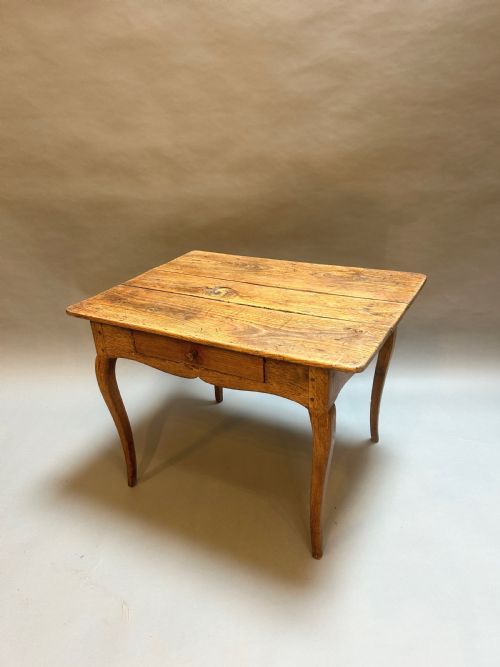
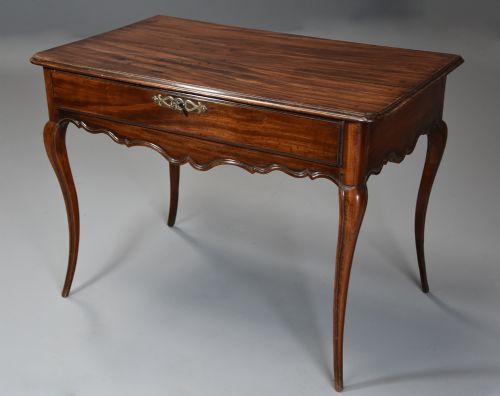


Provincial Lamp Table
A provincial lamp table brings regional character and practical small-scale surface space to a room.
Provincial Lamp Table
A provincial lamp table combines compact proportions with regional craftsmanship, serving as a versatile small surface for daily use. When searching for a provincial lamp table, buyers encounter forms that double as side tables, bedside chests, and occasional stands.
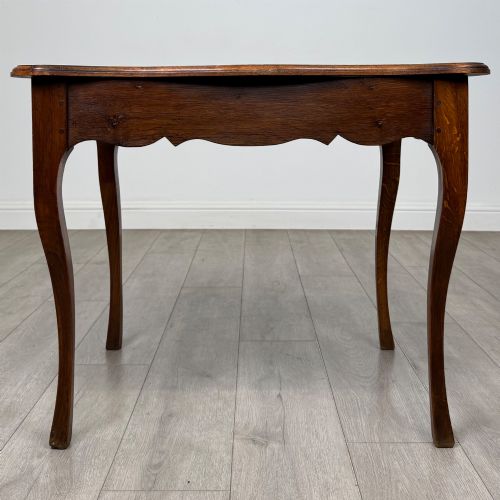
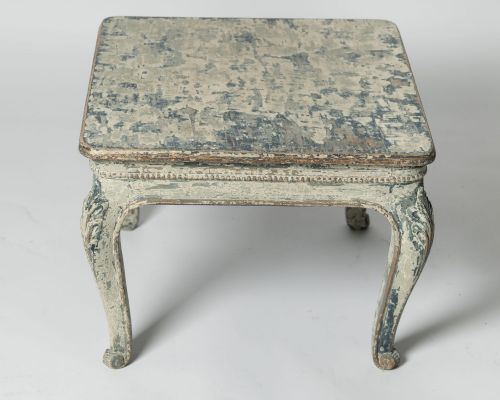
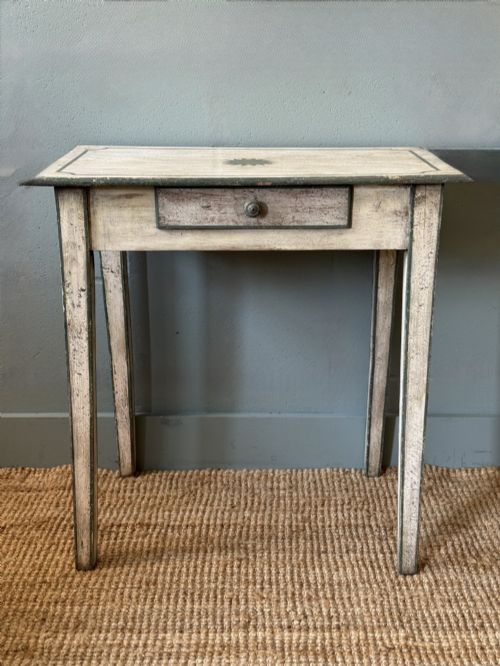
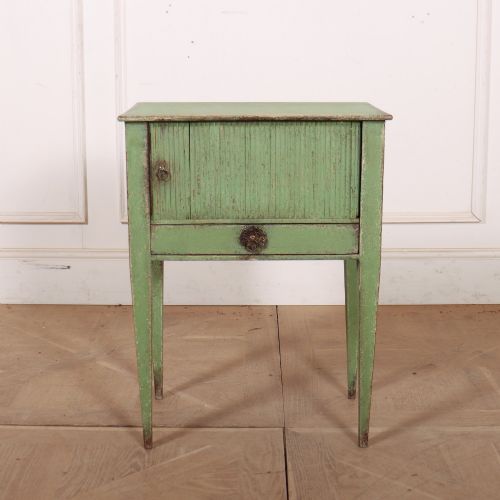
The pieces appearing here span from the eighteenth century through the early twentieth century, originating from French, English, Dutch, Swedish, and Chinese workshops. Oak and walnut form the backbone of these selections, often joined by painted pine or fruitwood.
French regional styles dominate the selection, frequently displaying carved decoration, marble tops, or turned legs. Alongside these, English country and Georgian pieces provide simpler timber surfaces suited to traditional interiors.
Materials and Construction
Cabinetmakers utilised solid timbers including oak, walnut, elm, cherry, and mahogany, frequently selecting native woods for regional work. Construction methods relied on traditional joinery, sturdy turned legs, and occasionally fitted drawers or marble inserts.
Surface treatments range from waxed natural grain and bleached oak to original painted finishes and quartered walnut veneers. Certain examples feature carved decoration or canework, combining structural utility with regional decorative flair.
Current selections feature solid oak, walnut, pine, and marble across French, English, Dutch, and Swedish provincial styles.
Markers of Quality
Quality rests in the integrity of the timber, the crispness of any carved decoration, and the preservation of original surfaces. Pieces retaining an authentic original patina or untouched painted finishes stand apart from later restorations.
Proportion and structural balance dictate the success of the form, whether dealing with a diminutive walnut end table or a marble-topped bedside chest. Refined cabinetwork in drawer construction and well-matched veneers elevate specific examples above standard utility furniture.
The Provincial Lamp Table Glossary
- Provincial
- Made in the regions rather than the capital, reflecting local traditions and available timbers. These pieces often display robust construction and distinctive regional decorative traits.
- Etagere
- A small open shelving unit or side table with multiple tiers for display or storage. This form provides practical vertical space in a compact footprint.
- Patina
- The surface sheen and colour acquired by wood and paint through age and use. A desirable patina shows authentic wear without heavy intervention.
- Quartered walnut
- Timber cut in quarters from the log to display distinctive grain patterns across the tabletop. This technique creates symmetrical decorative surfaces on occasional tables.
- Tripod table
- A small stand supported by a pillar above three spreading feet. This construction allows the table to sit stably on uneven floors.
Provincial Lamp Table: Frequently Asked Questions
What is a provincial lamp table?
A provincial lamp table is a small, regional piece of furniture designed to hold a lamp or provide a convenient surface next to seating.
These versatile tables appear as side tables, occasional stands, and bedside chests across various eighteenth and nineteenth-century European and Asian traditions.
How were these tables used originally?
Originally, small regional tables served multiple domestic purposes, from holding lighting and reading materials to bedside storage.
Their compact dimensions allowed them to be moved easily around the home to wherever a temporary surface was required.
How do I clean a wood and marble table?
Clean wooden surfaces gently with a soft, dry cloth and apply a quality wax sparingly when the timber appears dry. Avoid commercial silicone polishes that can damage antique finishes.
For marble inserts, use a damp cloth with mild soap and dry thoroughly to prevent staining, keeping acids away from the polished stone.
How do I tell an eighteenth-century table from a later copy?
Examine the construction methods, tool marks, and timber shrinkage to determine age. Eighteenth-century pieces show hand-cut joinery and natural wear consistent with decades of use.
Look for authentic surface patina and consistent ageing across the entire frame rather than manufactured distress.