




Provincial Kitchen Dresser
A provincial kitchen dresser anchors the room with working storage, bringing solid oak, pine or fruitwood and generations of utility into your home.
Provincial Kitchen Dresser
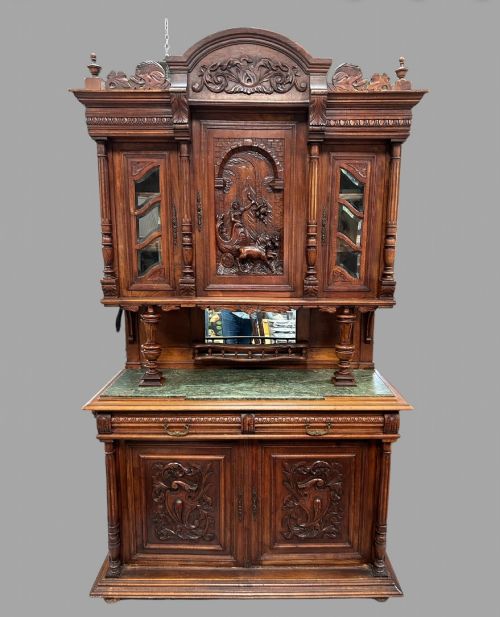
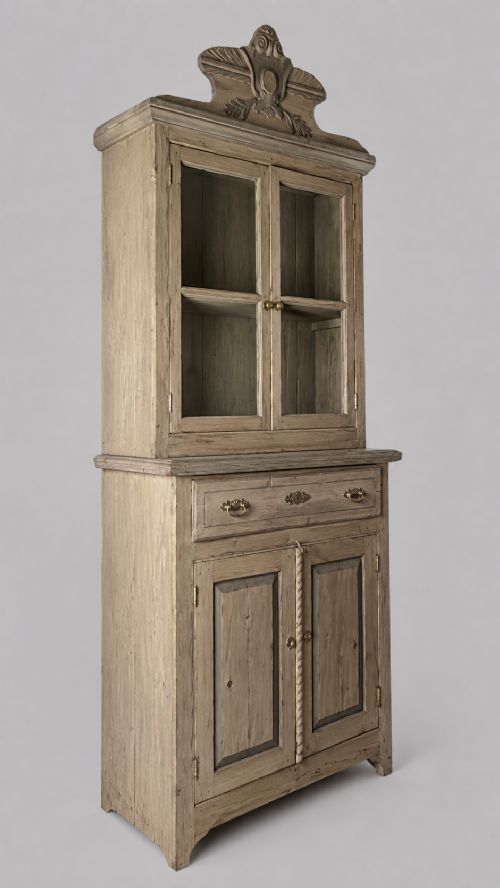
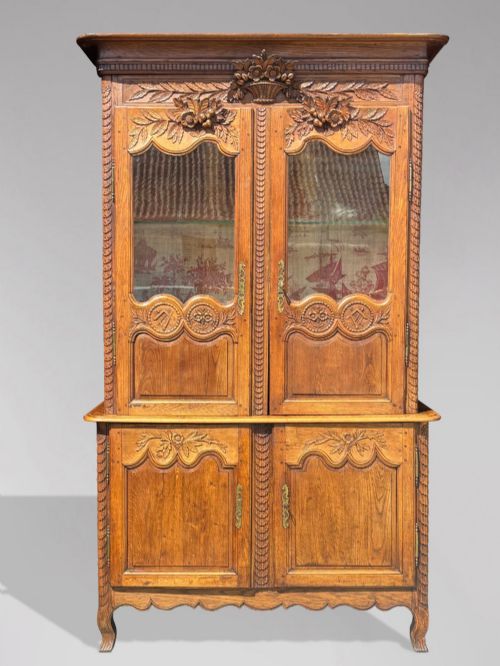
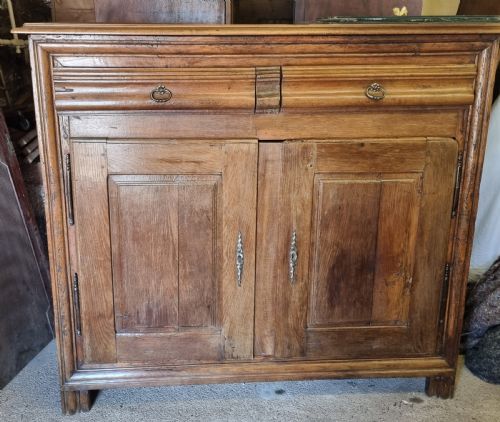
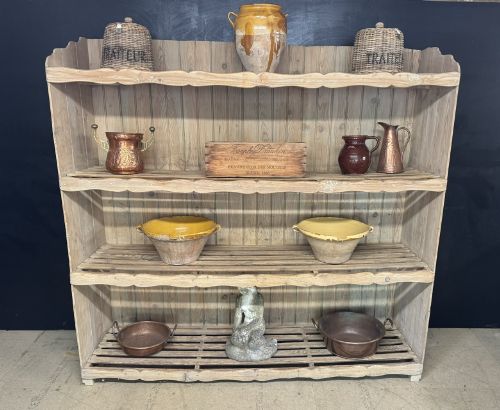
A provincial kitchen dresser provides substantial storage for domestic life through base cupboards, drawers and upper plate racks or glazed display sections. When you search for a provincial kitchen dresser, you encounter pieces built for heavy daily use in rural homes, farmhouses and chateaux rather than formal urban parlours.
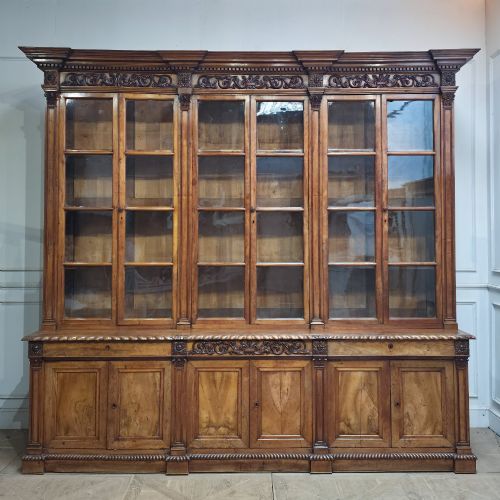
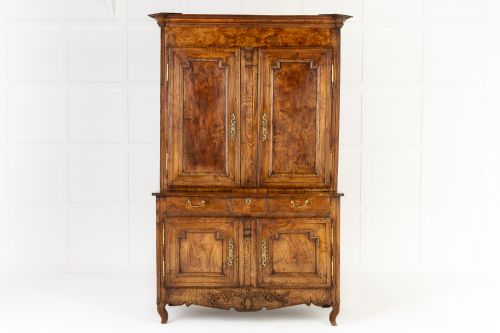
The versions you meet most often on this page date from the eighteenth and nineteenth centuries, originating from French regions or English districts like the West Country and Wales. These forms range from open plate racks on dresser bases to towering two-part buffet cabinets and glazed cupboards.
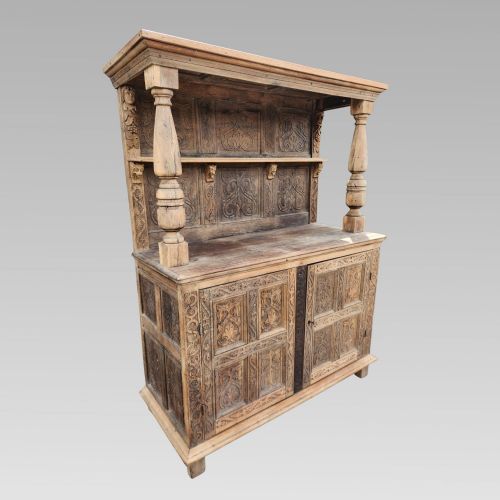
Makers constructed these pieces to hold tableware, provisions and linen, resulting in practical proportions that suit modern kitchens, dining rooms and hallways. Each regional variation displays distinct architectural habits, from the carved panels of French provincial workshops to the clean lines of English country pieces.
How they were made
Craftsmen built these items using timbers readily available to local workshops, relying predominantly on solid oak, pine, fruitwood, chestnut and walnut. Joinery techniques prioritized strength, utilising pegged mortise and tenon joints to withstand the demands of farmhouse kitchens.
Many examples feature hand-planed panels, exposed iron hinges and brass hardware fitted to doors and drawers. Painted finishes and natural wax patinas developed over decades of domestic application and cleaning.
The inventory includes glazed cupboards, bakers racks, housemaid cupboards and two-part buffet cabinets spanning the Victorian era back to George II periods.
What varies in quality
Quality in these dressers rests on the integrity of the timber selection and the retention of original structural elements. Pieces retaining their early surface patinas, original brass or iron hardware and unaltered base-to-top proportions stand apart from heavily restored examples.
Subtleties of regional carving, well-executed panel construction and balanced proportions distinguish finer workshop output from utilitarian daily furniture. The depth of the timber's grain and the natural warmth accumulated through centuries of use define the upper tier.
The Provincial Kitchen Dresser Glossary
- Buffet deux corps
- A tall two-part cupboard featuring a lower cabinet base beneath an upper storage section. This form provides substantial vertical storage capacity.
- Vaisselier
- A traditional French plate rack or dresser designed specifically for displaying and storing kitchen ceramics. It often incorporates open shelving or glazed doors.
- Plate rack
- An upper shelving framework fitted with horizontal grooves or rails to hold plates upright. This component sits atop a dresser base or fastens directly to a wall.
- Fruitwood
- Timber harvested from fruit-bearing trees such as cherry, pear or apple, utilised by provincial cabinetmakers for its fine grain and warm tone. It yields a distinctive alternative to standard oak or pine.
Provincial Kitchen Dresser: Frequently Asked Questions
How do I date an antique dresser?
Examine the construction methods, tool marks on the timber, and the style of hinges and handles. Hand-cut joinery and pegged joints generally point to eighteenth or early nineteenth-century origins.
Compare the timber shrinkage and the wear patterns around drawer pulls with documented period examples. Regional design traits also help narrow down the decade of manufacture.
What is the difference between a dresser and a buffet deux corps?
A traditional dresser typically combines a lower storage base with an open plate rack or a glazed upper cabinet. It serves both storage and display functions in domestic spaces.
Conversely, a buffet deux corps consists of two enclosed heavy wooden cabinet sections stacked vertically. This form prioritizes concealed storage behind solid panelled doors.
Where were these dressers originally made?
These pieces originated in rural provinces across France and England, including regions such as the West Country, Wales, and French provincial districts. Local rural cabinetmakers built them to serve the storage needs of country houses and farmsteads.
Each region developed specific preferences for timber types, such as oak in English country districts and fruitwood or walnut in French provinces.
How do I care for a historic timber finish?
Maintain the wood by applying quality natural beeswax sparingly and buffing gently with a soft cloth. Avoid placing antique furniture near direct heat sources or in strong sunlight.
Keep indoor humidity stable to prevent timber movement and cracking in dry winter months. Regular light dusting preserves the accumulated patina without harming the antique surface.