

Provincial Cupboard
A provincial cupboard brings regional timber and utilitarian craft into domestic spaces, offering sturdy storage rooted in centuries of local design.
Provincial Cupboard
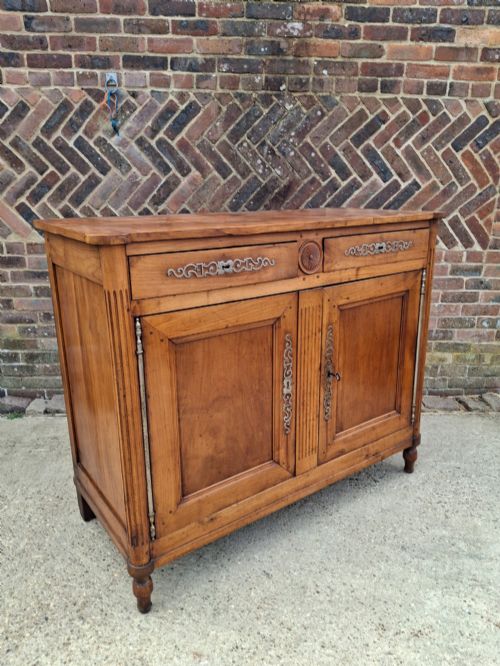
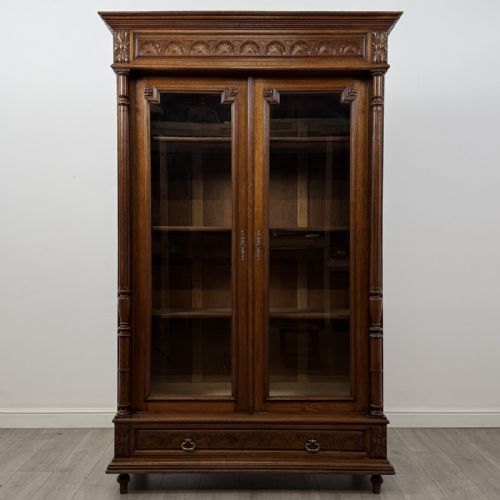
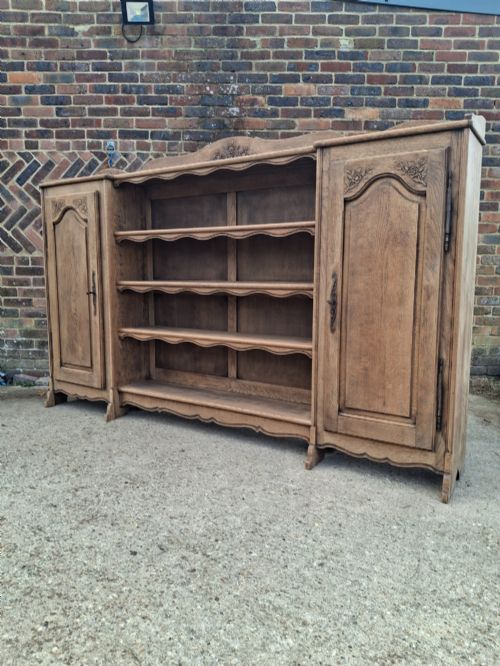
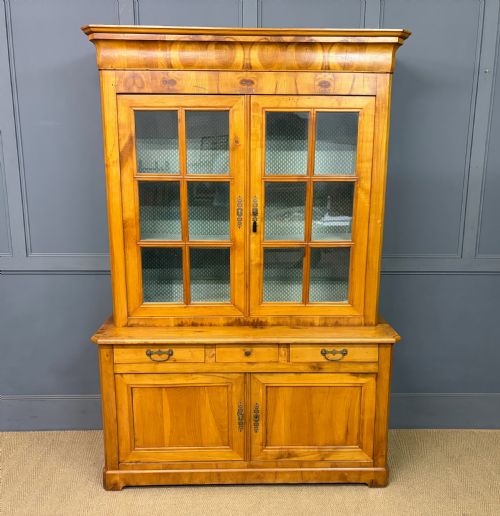
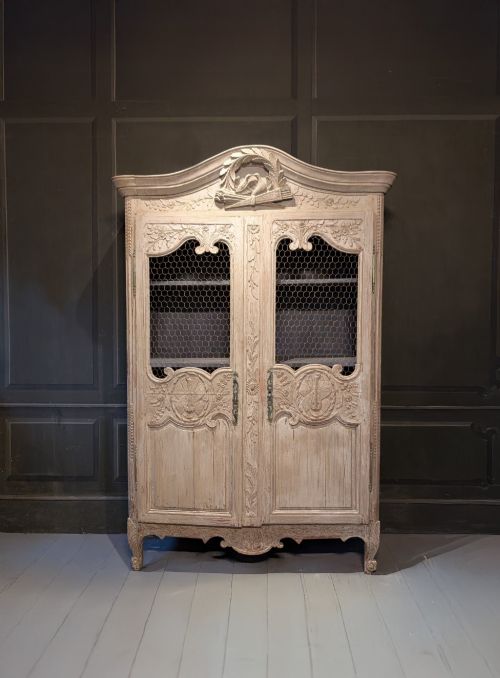
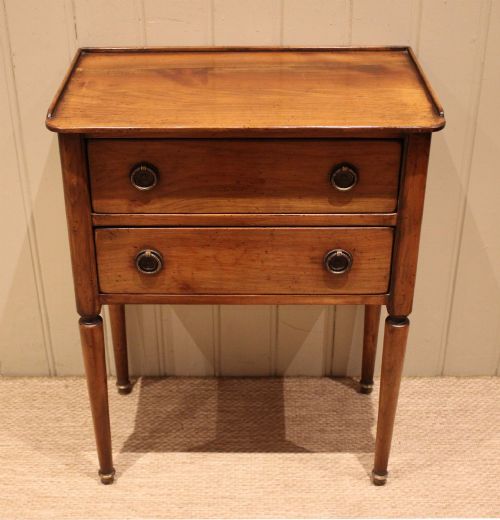
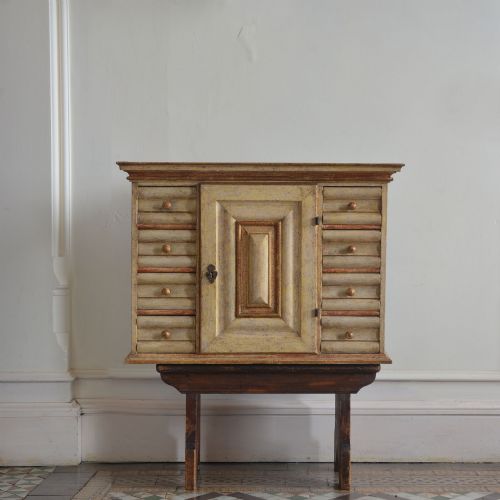
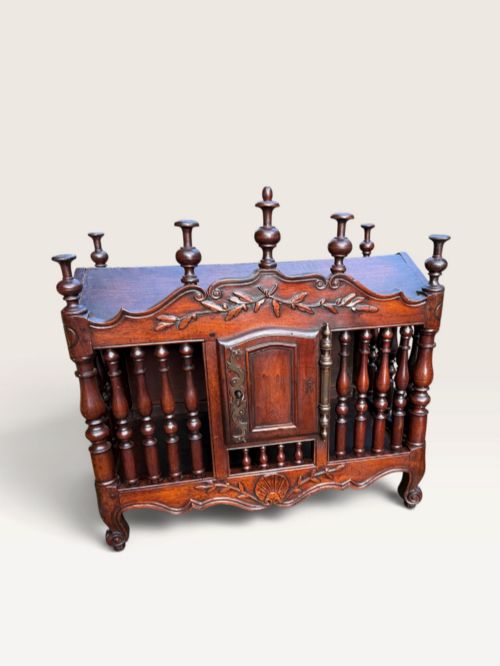
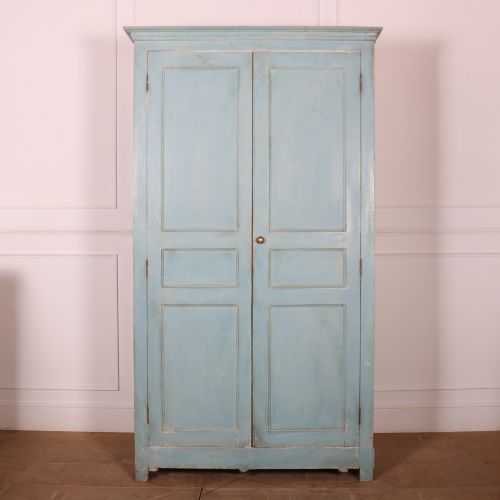
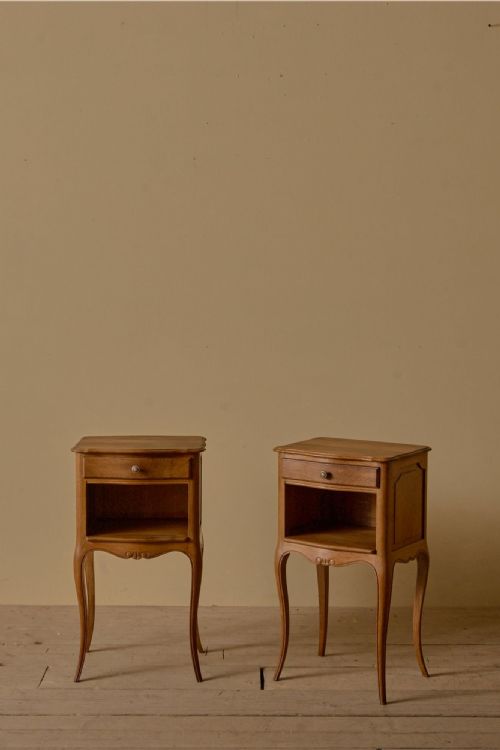
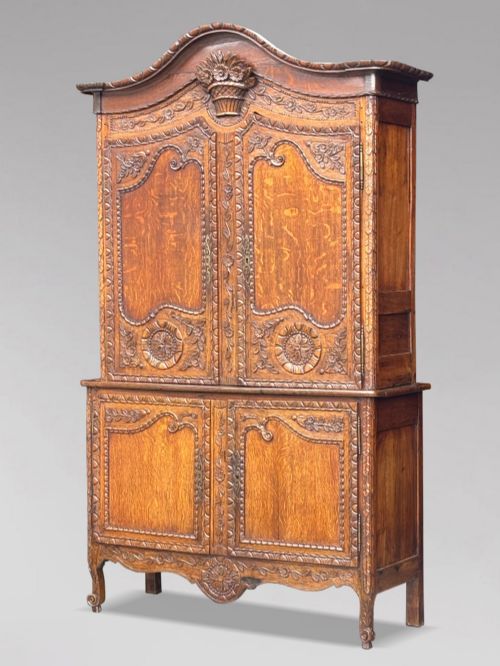
A provincial cupboard encompasses a wide assortment of regional storage forms, from monumental oak armoires and two-part buffets to small pine confituriers and bedside cabinets. Buyers searching this phrase meet mostly French, Dutch, and Italian examples spanning the eighteenth and nineteenth centuries, alongside later twentieth-century interpretations.
The functional variety matches the geographic reach, including housekeeper cupboards, linen presses, glazed vitrines, and corner units. Solid woods like oak, cherry, and pine dominate the selection, built by regional joiners for rural and provincial homes rather than urban salons.
Materials and construction
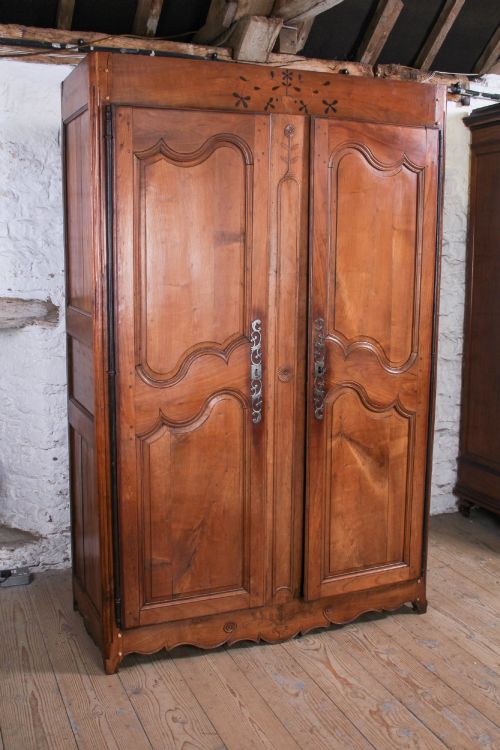
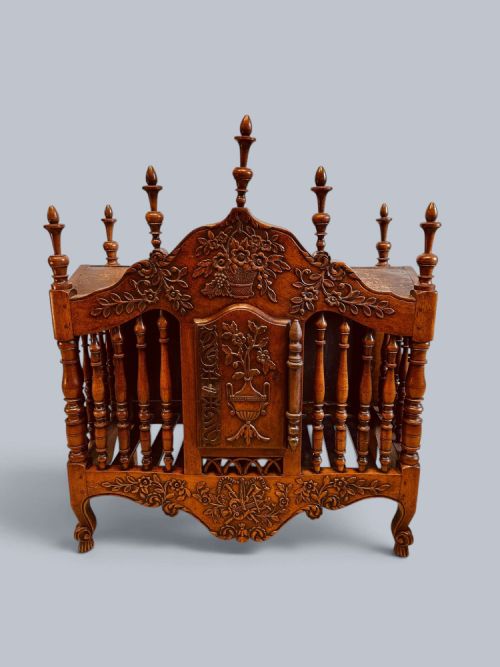
Makers relied on locally sourced timbers, predominantly oak, walnut, pine, and cherry, often pairing sturdy structural frames with fielded panels to accommodate wood movement. Iron hinges and brass escutcheons secure the doors, while marquetry inlay and carved rococo motifs appear on finer urban-influenced pieces.
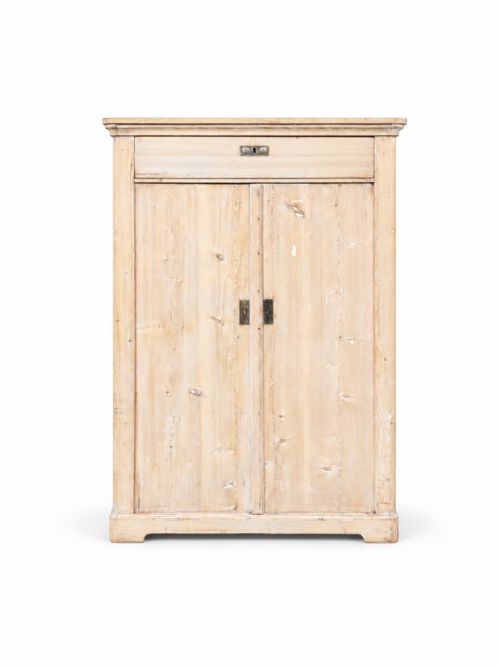
Many cabinets utilise pegged mortise and tenon joints in the carcase construction, ensuring long-term stability without metal nails. Painted finishes, frequently seen on pine and deal pieces, protect the timber and provide the signature distressed surfaces found in French and Dutch country interiors.
Provincial Cupboard Retail Price Guide 2026
Typical asking prices for provincial cupboard among the pieces listed under this phrase on Sellingantiques today, from the lower quarter to the upper quarter. They describe what is for sale here now, not the wider market.
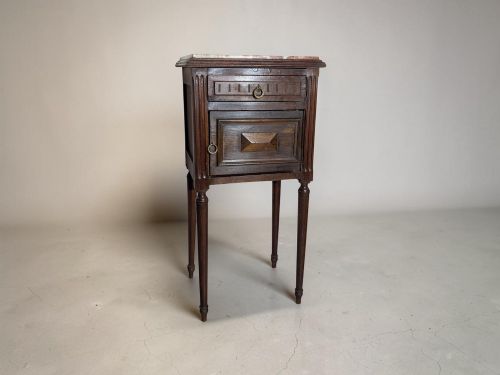
One historic buffet carries the label of a rural barn find, retaining faint traces of pink marble and countryside dust.
Assessing quality and character
Quality rests primarily in the timber selection and the integrity of the original construction rather than decorative excess. Heavier eighteenth-century examples exhibit dense grain and hand-planed internal boards, whereas later nineteenth-century pieces lean towards machine-cut elements and applied mouldings.
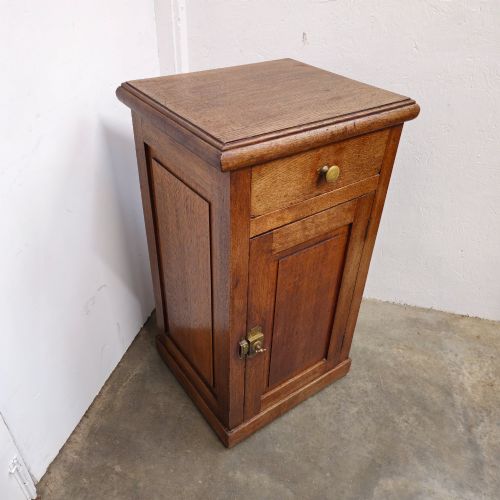
The preservation of original hardware, locks, and surface finishes dictates the desirability of each piece. Retained layers of early paint or a deep patinated wax finish on raw oak separate utilitarian workshop output from master provincial joinery.
Epstein
The Provincial Cupboard Glossary
- Armoire
- A large freestanding wardrobe or cupboard with doors enclosing shelving or hanging space. They typically feature heavy double doors and pronounced crowning cornices.
- Confiturier
- A small regional French cupboard, often called a jam cupboard, originally designed to store preserves. These single-door cabinets usually include a small drawer above the primary storage compartment.
- Deux corps
- A tall cupboard constructed in two separate stacking sections, with a smaller upper cabinet resting on a deeper base. This form is common in eighteenth-century provincial dining rooms and kitchens.
- Enfilade
- A long sideboard or buffet featuring a sequence of doors and drawers along a single frontage. They originated in grand European reception rooms but appear in robust provincial formats.
- Marquetry
- The art of applying decorative veneer pieces in wood to form geometric or floral patterns on a carcase. It frequently defines high-status walnut and kingwood cabinets.
- Vitrine
- A glass-fronted display cabinet or bookcase designed to showcase ceramics, books, or glassware. Provincial versions often incorporate chicken wire or leaded glass panes.
Provincial Cupboard: Frequently Asked Questions
What is a confiturier?
A confiturier is a compact regional French storage piece, traditionally built to hold pots of jam and preserves. These single-door cabinets offer versatile bedside or hallway dimensions.
They generally combine a small upper drawer with a lower cupboard space behind a single panelled door. Their modest footprint makes them adaptable for modern rooms lacking deep storage.
How do I date an 18th century cupboard?
Dating relies on examining construction methods, tool marks on internal boards, and the configuration of hardware. Hand-split backboards and pegged joints typically point to eighteenth-century origins.
Stylistic cues such as asymmetric rococo carvings or early Louis XV proportions also assist in establishing the manufacturing period. Later revivals often replicate these elements with machine-cut precision.
Where should I place a provincial cupboard?
These pieces function well in kitchens as larders, in dining rooms for tableware, or in hallways for everyday storage. Their substantial timber presence anchors open living areas.
Smaller formats like bedside cabinets or corner cupboards fit tighter dimensions while introducing regional texture and historical contrast to contemporary interiors.
Are painted finishes original?
Many provincial cupboards received coats of paint during their working lives to protect softer woods like pine. Some surfaces reflect early or original decoration, while others received later decorative treatments.
Distinguishing between historic layered paint and modern decorative painting involves inspecting edge wear, crackle patterns, and the underlying timber preparation.