


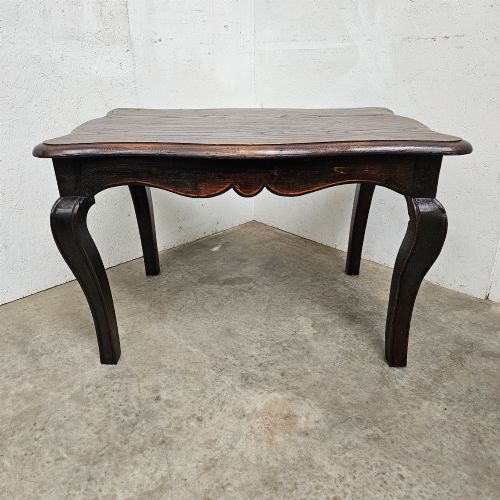


Provincial Coffee Table
A provincial coffee table brings rustic charm and regional character to a room, grounding the space with historic timber and traditional craftsmanship.
Provincial Coffee Table
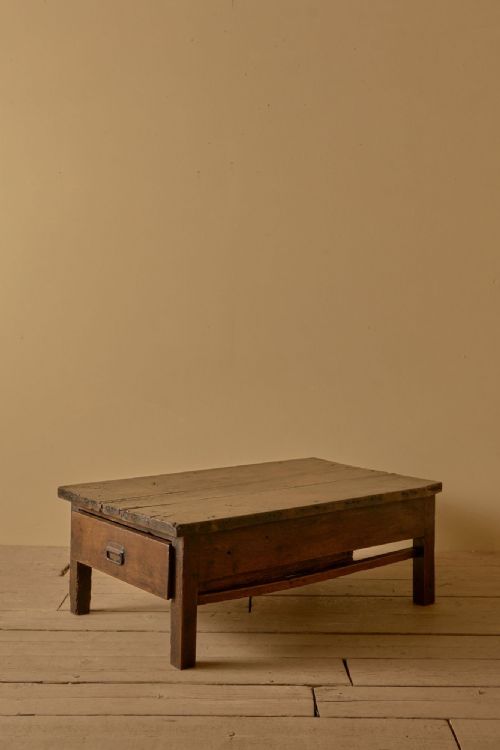
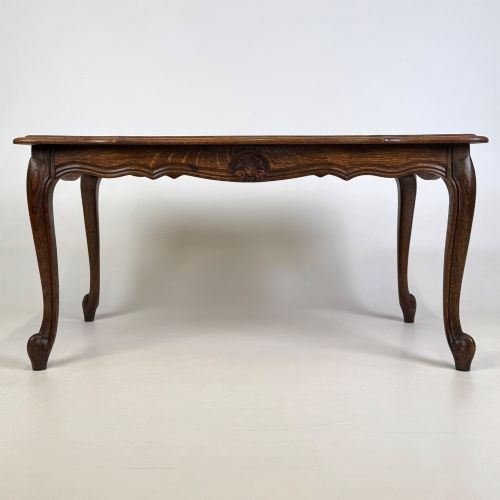
A provincial coffee table represents country-made and regional domestic furniture, predominantly originating from French workshops and farmhouse traditions. These low tables and adapted benches span periods from the eighteenth century through to the early twentieth century, showing substantial variation in form.
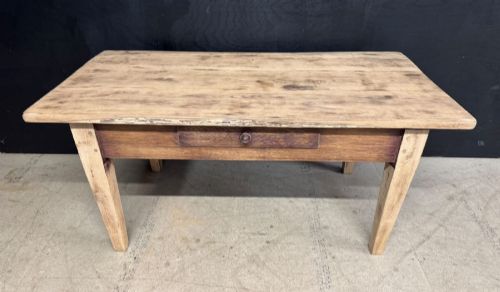
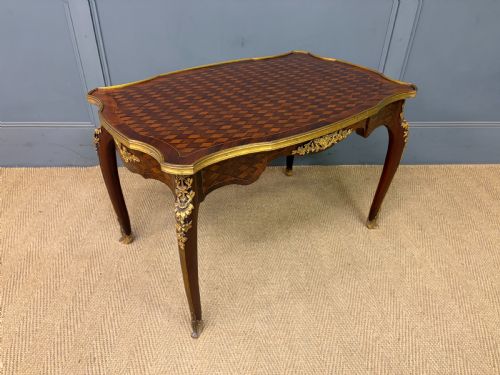
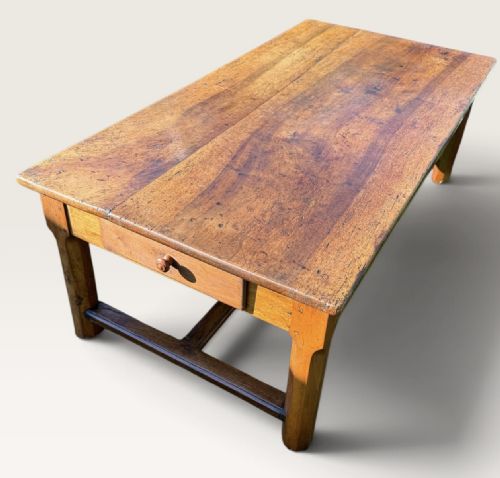
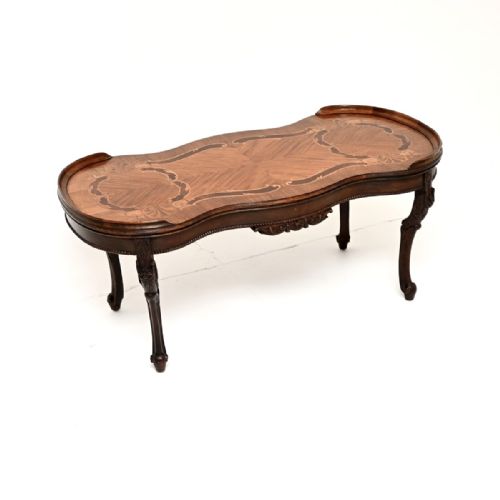
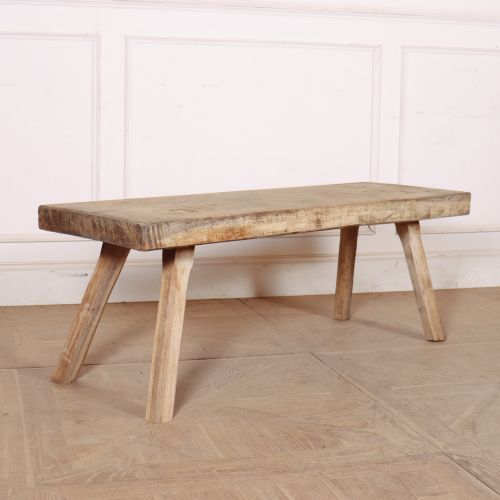
Buyers will encounter several distinct variations on this page, ranging from scrubbed sycamore and elm trestle tables to walnut parquetry designs and marble-topped low tables. Many pieces reflect rustic farmhouse styles or Louis XV revival aesthetics, constructed to serve daily domestic life.
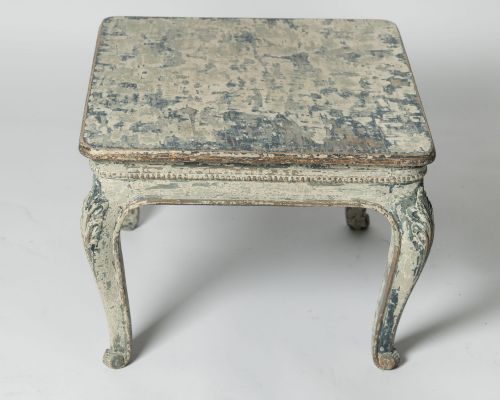
The selection includes low tables, side tables, nests of tables, and occasional furniture adapted from older forms such as benches, dough proofing boxes, and window seats. Oak, walnut, fruitwood, and cherrywood dominate the inventory, accompanied by wrought iron and marble elements.
How they were made
Carpenters and cabinetmakers utilised solid regional hardwoods including oak, walnut, fruitwood, sycamore, and cherrywood for structural integrity and local availability. Surfaces frequently display parquetry, marquetry, or floral inlay work using contrasting veneers like kingwood, satinwood, and rosewood.
Construction techniques combine traditional joinery with decorative metalwork, such as ormolu mounts, gilt accents, and wrought iron framing. Tops are fashioned from polished stone, mirrored glass, scrubbed timber planks, or detailed parquetry panels supported by turned legs or trestle bases.
Provincial Coffee Table Retail Price Guide 2026
Typical asking prices for provincial coffee table among the pieces listed under this phrase on Sellingantiques today, from the lower quarter to the upper quarter. They describe what is for sale here now, not the wider market.
Listings feature periods spanning from the 18th century through to 1930, encompassing 19th-century interpretations and Edwardian pieces.
What varies in quality
The calibre of a provincial coffee table rests on the selection of timber, the precision of the parquetry or marquetry inlay, and the harmony of its proportions. Tables featuring refined fruitwood or figured walnut command attention through the natural grain and depth of the polished surface.
Execution of decorative details, from hand-carved woodwork to cast ormolu mounts and wrought iron frames, distinguishes workshop standards. Pieces that retain their original structural elements and patination demonstrate superior historic integrity compared to heavily altered examples.
The Provincial Coffee Table Glossary
- Parquetry
- Geometric wood inlay forming a patterned surface, commonly seen in repeating diamond or square arrangements on table tops. This technique requires precise cutting of contrasting timber veneers.
- Marquetry
- Pictorial veneer work creating floral or figurative designs on furniture surfaces, often utilising exotic woods like kingwood and satinwood. It differs from parquetry by forming curved and organic motifs.
- Ormolu
- Gilt-bronze mounts applied to furniture for decorative enrichment, frequently found on revival pieces from the late nineteenth and early twentieth centuries. The finish adds metallic contrast to dark timber surfaces.
- Trestle table
- A table structure consisting of two or more support frames connected by a horizontal beam, utilised in rustic farmhouse and primitive furniture designs. This form provides robust support for heavy timber tops.
- Fruitwood
- Timber sourced from fruit-bearing trees such as cherry, pear, or apple, valued for its warm tone and fine grain in regional cabinetmaking. It ages to a rich, mellow patina over centuries.
Provincial Coffee Table: Frequently Asked Questions
What is a provincial coffee table?
A provincial coffee table is a low table originating from regional stylistic traditions, often adapted from older forms like country benches, low tables, and side tables. They showcase traditional rural craftsmanship and regional European aesthetics.
These pieces utilise local timbers such as oak, walnut, fruitwood, and cherrywood, sometimes enhanced with marble tops, parquetry, or wrought iron elements.
How do I date an antique coffee table?
Dating involves examining the construction methods, tool marks, timber species, and stylistic revival indicators present in the piece. Eighteenth-century examples often display simpler, heavier structural forms, while nineteenth-century and Edwardian pieces may show revival influences or finer veneers.
Hardware, joinery style, and natural wear patterns further assist in narrowing the period of production from the 18th to the early 20th century.
Are provincial coffee tables authentic antiques?
Many listings represent authentic period items from the eighteenth, nineteenth, and early twentieth centuries, while others feature historic pieces that were later adapted into low coffee tables. Descriptions often note whether a table began as a bench, coffer, or dining table.
Reviewing the listed period alongside material details clarifies the age and historical context of each individual piece.
How do I care for a wooden coffee table?
Wooden surfaces require gentle cleaning with a soft, dry cloth to remove dust without disturbing the historic patination or wax finish. Avoid placing timber tables in direct sunlight or near heat sources to prevent warping and splitting.
Marble and mirrored top variants need specific care depending on the stone or glass composition, using appropriate mild cleaners that will not damage surrounding wood frames.