

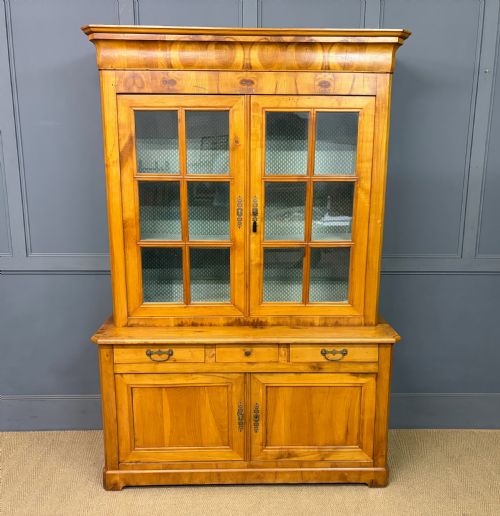
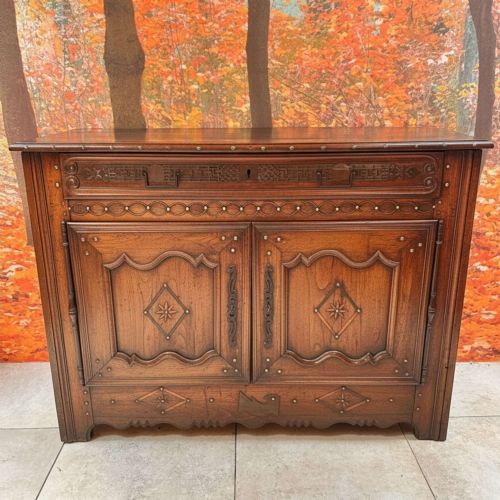
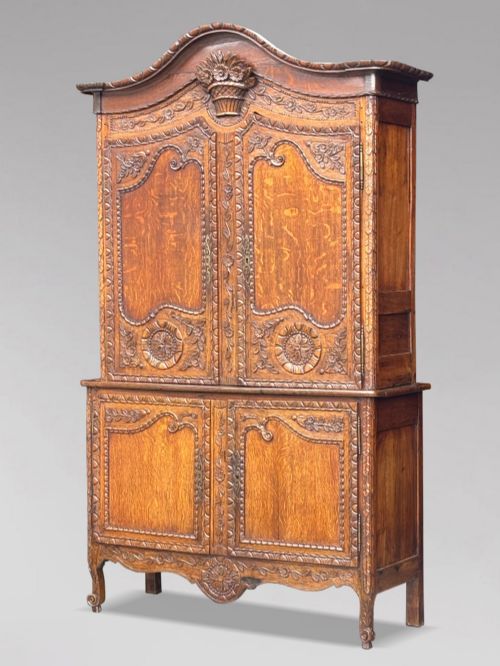
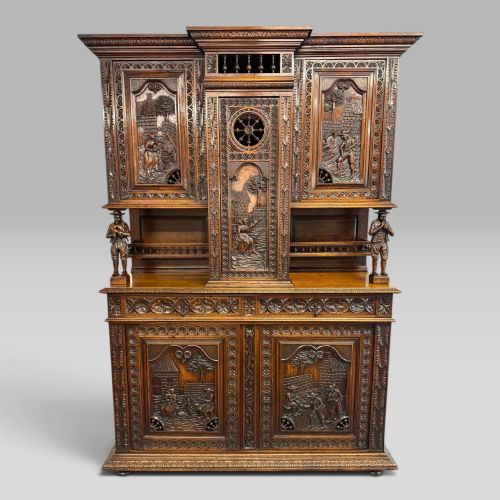
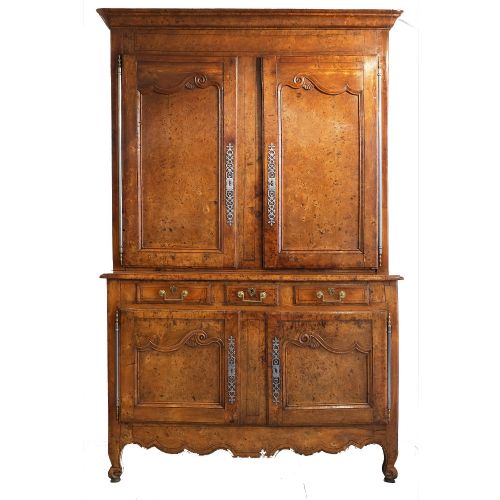
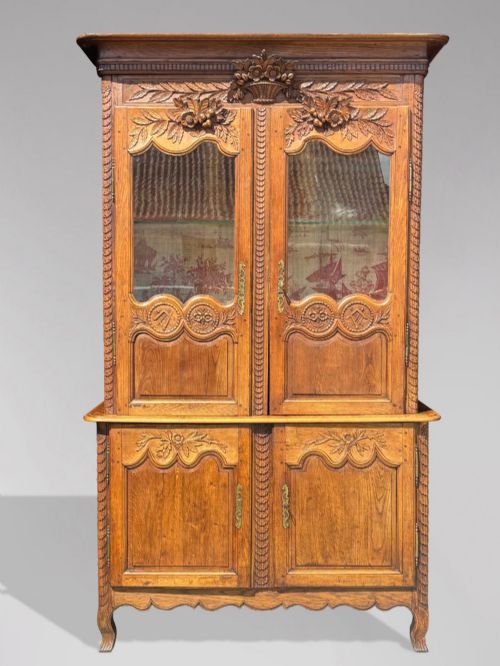
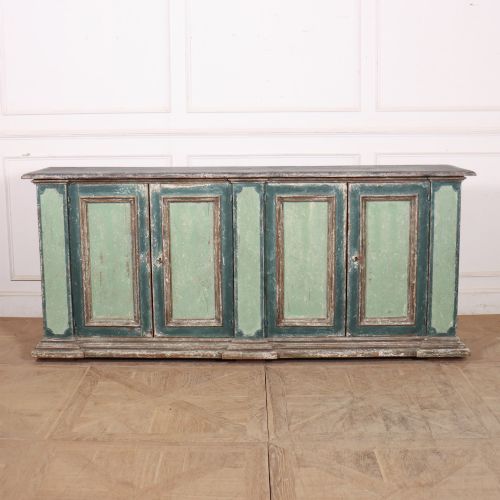
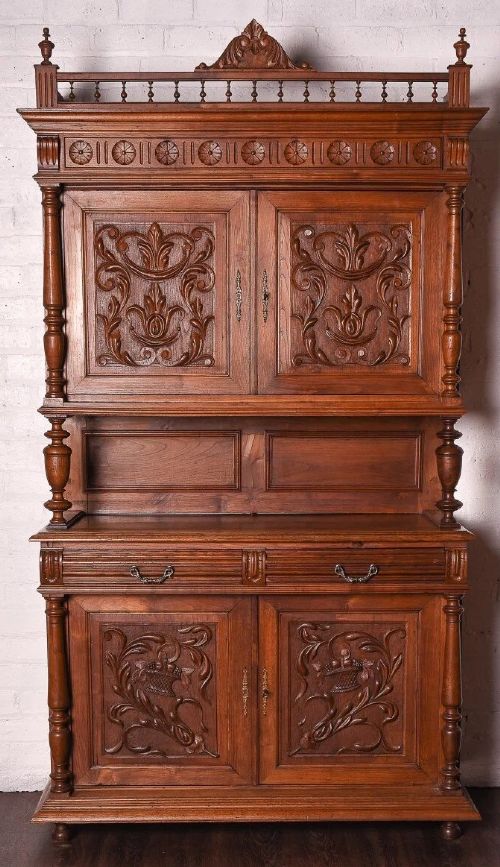
Provincial Buffet Cabinet
These provincial buffet cabinet designs span centuries of regional craftsmanship, offering sturdy storage and rustic French or Italian character.
Provincial Buffet Cabinet
A provincial buffet cabinet serves as a robust storage unit, originating from regional workshops outside major metropolitan centres. These pieces function as sideboards, enfilades, and two-part cupboards designed for rural and domestic use.
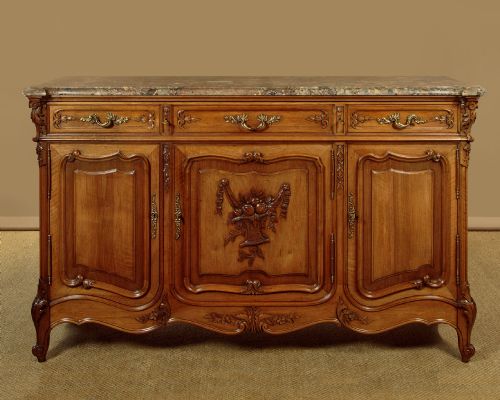
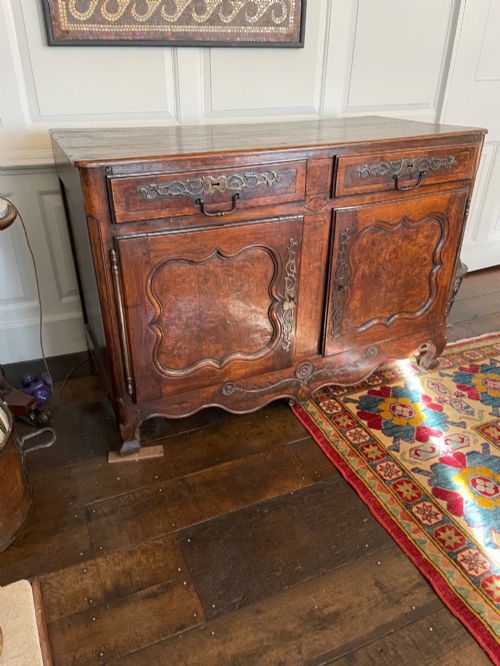
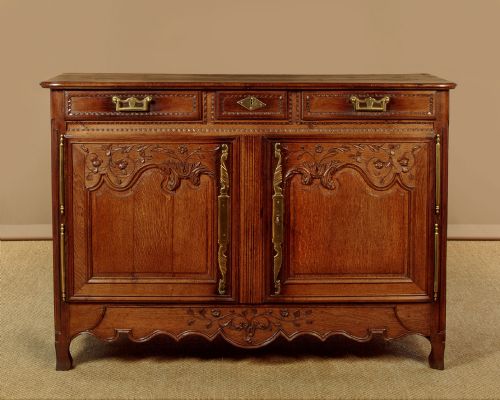
The selections available here lean heavily toward French and Italian provincial styles, including oak buffet deux corps and low kitchen dressers. Buyers frequently encounter solid wood frames featuring panelled doors and generous surface tops.
Materials and construction methods
Cabinet makers utilised local timbers such as oak, walnut, cherry wood, ash, and elm to construct these heavy storage pieces. Joinery typically relies on traditional pegged mortise and tenon frames designed to withstand decades of daily use.
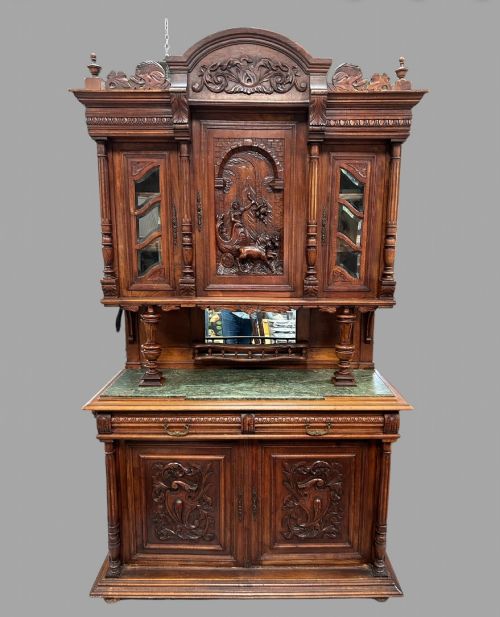
Surface ornamentation incorporates hand-carved motifs, brass hardware, and occasionally marble tops on later iterations. Iron hinges and steel supports reinforce larger two-body units and tall housekeeper cupboards.
Provincial Buffet Cabinet Retail Price Guide 2026
Typical asking prices for provincial buffet cabinet among the pieces listed under this phrase on Sellingantiques today, from the lower quarter to the upper quarter. They describe what is for sale here now, not the wider market.
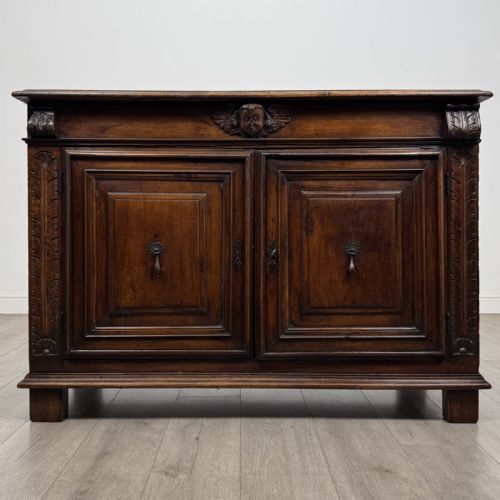
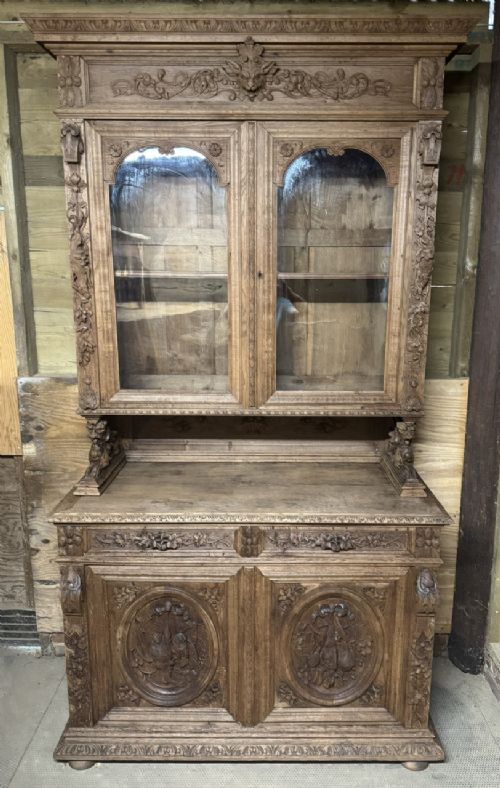
Carved hunting cabinets often hide mischievous cherubs and woodland game amidst dense foliage.
Distinctions in craftsmanship
Quality separates primitive utility pieces from formally styled regional commissions through the crispness of hand-carving and the selection of figured timbers like burr elm or walnut. Superior examples maintain original patination and integrated structural hardware.
Proportion and scale dictate the desirability of each buffet, with older eighteenth-century pieces demonstrating more refined regional vernacular details than later nineteenth-century revivals.
The Provincial Buffet Cabinet Glossary
- Buffet deux corps
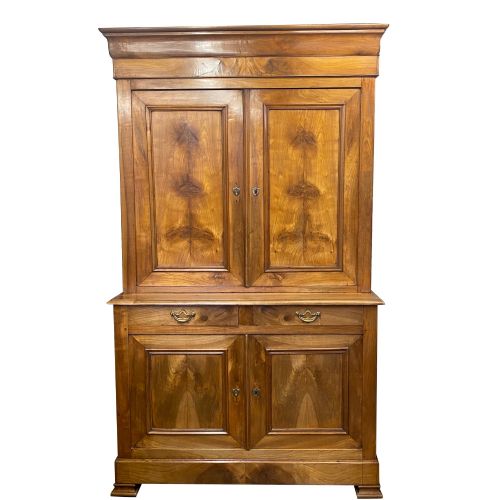
- A tall two-part storage cabinet featuring an upper cupboard stacked upon a lower sideboard base. This regional form provides extensive shelving enclosed behind panelled timber doors.
- Enfilade
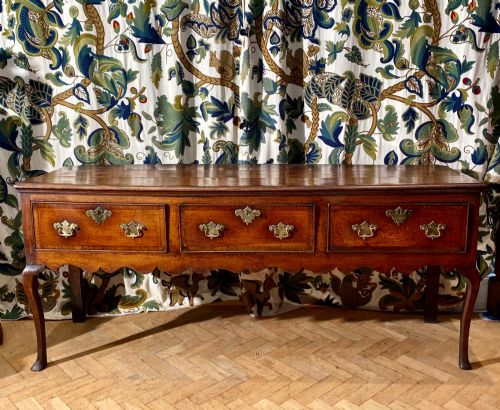
- A long sideboard or low cabinet designed with multiple doors in a linear sequence. These low-profile units frequently served dining rooms and large kitchens.
- Parquetry
- A geometric mosaic of wood pieces used for decorative surface inlay on tabletops and cabinet doors. Artisans utilised contrasting timbers to create subtle tonal patterns.
- Sacristy cabinet
- A low provincial storage unit originally built for ecclesiastical use in vestries and later adapted for domestic interiors. These low sideboards offer deep drawer and cupboard space.
- Hunting style
- A heavy decorative aesthetic characterised by high-relief carvings of game, foliage, and cherubs. This regional design reflects rural sporting traditions.
Provincial Buffet Cabinet: Frequently Asked Questions
What is a provincial buffet cabinet used for?
These cabinets provide substantial storage for dining rooms, kitchens, and hallways, functioning as sideboards for tableware or general cupboards for household linens.
The deep shelving and drawer space accommodate bulkier items while the surface top offers display space for lamps and decorative objects.
How do I identify an 18th century piece?
Eighteenth-century examples typically display hand-cut peg joinery, thick oak or cherry panels, and distinct regional vernacular carving styles without mass-produced hardware.
Examining the interior timber boards and drawer construction reveals hand-planed surfaces characteristic of early workshop production.
Where were these cabinets made?
Most pieces originate from regional European workshops in France and Italy, reflecting local rural aesthetics rather than formal Parisian court designs.
Provinces such as Normandy and various Italian districts developed distinct carving patterns and timber preferences unique to their local forests.
How do I care for antique timber furniture?
Maintain solid wood surfaces by applying natural beeswax periodically and avoiding direct placement near heat sources that cause timber to split.
Protect marble and wood tops from moisture by using coasters and wiping spills promptly to preserve the historic finish.