



Profile Shadow Art
Profile shadow art offers an intimate glimpse into the past through delicate likenesses preserved in frames.
Profile Shadow Art
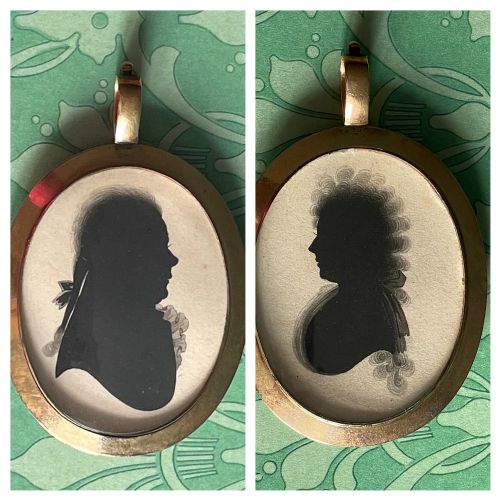
Profile shadow art encompasses silhouette portraits, miniature paintings, and framed wall art capturing historical likenesses. A buyer searching this phrase encounters works originating primarily from the Georgian, Regency, and Victorian periods.
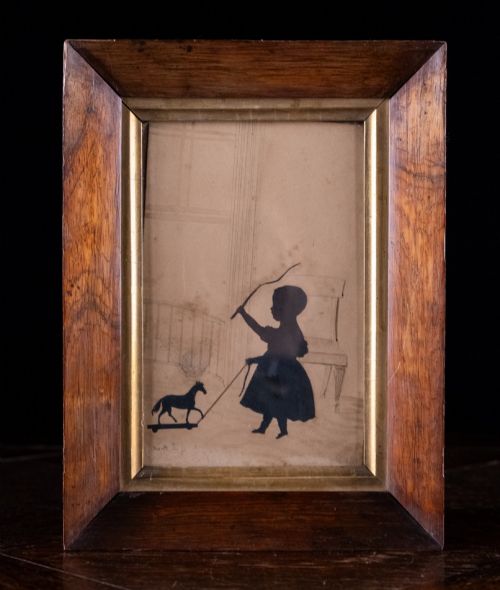
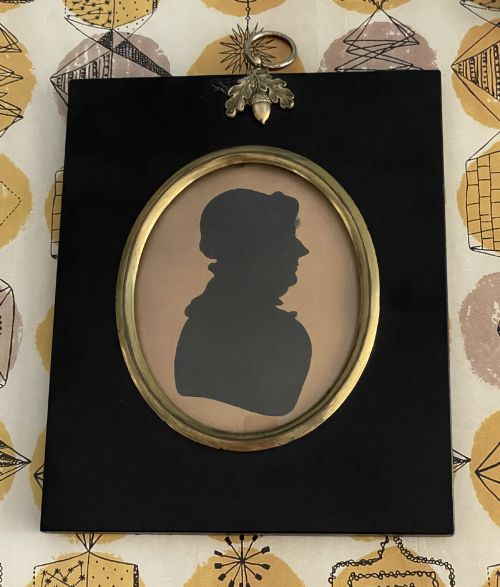
The most common examples on this page are framed silhouette portraits executed on glass, paper, or card. These pieces frequently depict individuals, children, and families, occasionally accompanied by animals or detailed conversation scenes.
Originating as an affordable alternative to painted miniatures before the advent of photography, these works range from simple cut paper to intricate painted compositions. Collectors find them valued for their direct connection to individual identities from the eighteenth and nineteenth centuries.
Materials and Techniques
Makers utilised paper, card, and glass as the primary surface supports for profile shadow art. Artists cut black paper with scissors or painted directly onto glass and plaster using ink and gold leaf highlights.
Frames played an integral part in the construction, featuring ebonised wood, rosewood, maple, and brass elements. These protective housings secured the delicate interior works while enhancing the visual contrast of the dark profiles.
Profile Shadow Art Retail Price Guide 2026
Typical asking prices for profile shadow art among the pieces listed under this phrase on Sellingantiques today, from the lower quarter to the upper quarter. They describe what is for sale here now, not the wider market.
Several silhouettes capture beloved family pets alongside their owners, proving that historical figures enjoyed including their dogs and horses in family portraits.
Distinctions in Quality
Quality in profile shadow art rests upon the precision of the cutting or the fineness of the brushwork. Master practitioners achieved striking likenesses with minimal lines, capturing specific attire, hairstyles, and facial structures accurately.
The sophistication of the framing and the presence of contemporary signatures or inscriptions elevate certain pieces above standard examples. Original glazing, intact backing papers, and documented provenance further distinguish superior works from anonymous productions.
Augustin Edouart·James Gillespie·Frederick Frith·Thomas London·Alfred Darbyshire·John Miers·Skeolan
The Profile Shadow Art Glossary
- Silhouette
- A solid dark profile image of a person's face or figure, typically shown in side view. This form relies on outline and shadow rather than internal detail.
- Glass
- A smooth, transparent material utilised as a base for reverse-painting or as protective covering for delicate paper cutouts. It requires careful handling to preserve the fragile pigment beneath.
- Ebonised wood
- Timber treated to resemble dense, black ebony. This dark finish provides a stark border that accentuates the pale background and the dark central profile.
- Gold leaf
- Extremely thin sheets of beaten gold applied to highlight details such as jewellery, buttons, or uniform trim. It adds a luminous contrast against the black silhouette.
- Miniature portrait
- A small-scale painting or likeness designed for intimate viewing. These works demand exceptional technical skill due to their restricted dimensions.
Profile Shadow Art: Frequently Asked Questions
How were these silhouettes created?
Artists produced these likenesses either by cutting freehand shapes from black paper or by painting directly onto glass or card using ink. Skilled practitioners often added delicate touches of gold leaf to define clothing and accessories.
Many examples were housed in custom wooden frames made of rosewood, maple, or ebonised wood. These frames protected the fragile paper or glass surfaces from environmental damage over time.
How do I care for framed silhouettes?
These delicate pieces require stable indoor environments away from direct sunlight to prevent the fading of paper and ink. Maintaining consistent humidity levels protects both the antique frames and the fragile internal materials.
Cleaning should remain minimal, restricted to gentle dusting of the exterior frame. The sealed glass and paper elements inside must remain undisturbed to avoid introducing moisture or dust.
How can I tell different periods apart?
Stylistic clues such as the sitter's clothing, hair styling, and headdress help determine the era in which a piece was made. Regency and Georgian subjects often feature distinct high collars, bonnets, or turbans.
Framing materials and backing papers also provide chronological markers. Earlier works frequently feature turned wood frames and handwritten artist labels or family inscriptions on the reverse.