



Primitive Wooden Side Table
A primitive wooden side table offers honest, unpretentious utility, bringing direct historical character and raw functional charm to any room.

Primitive Wooden Side Table
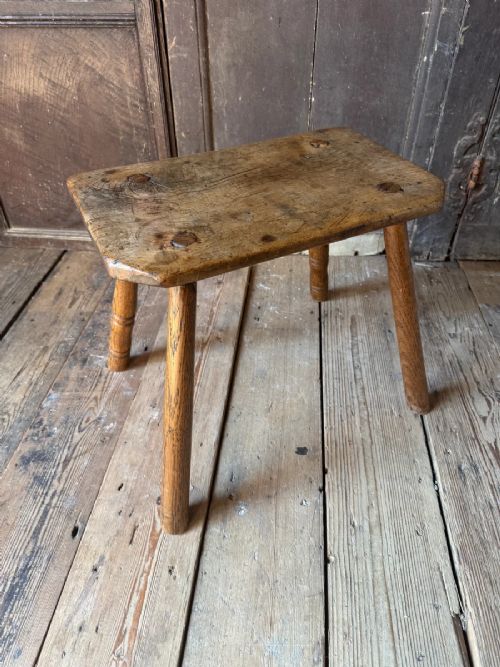
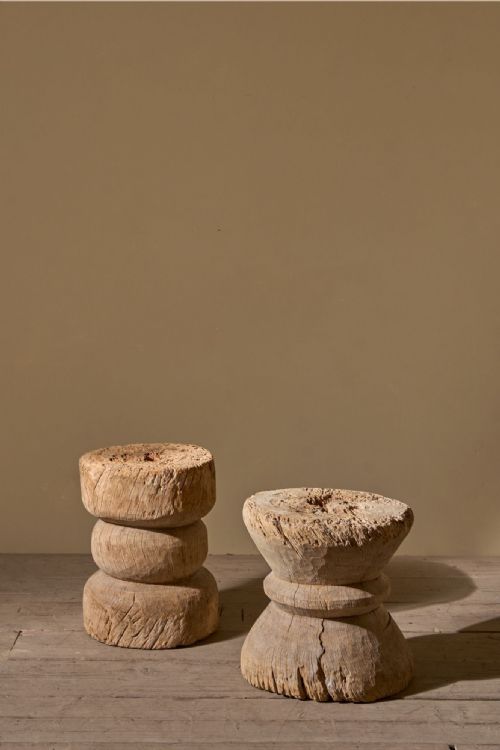
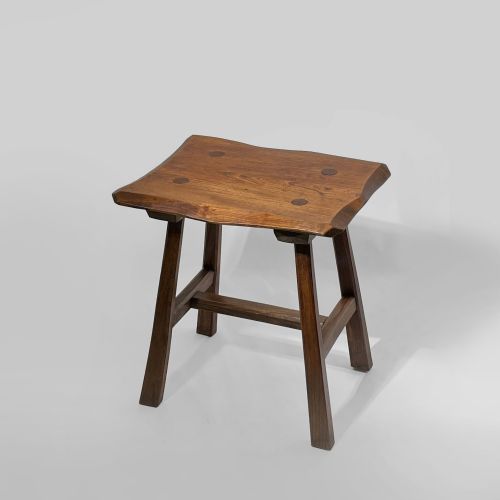
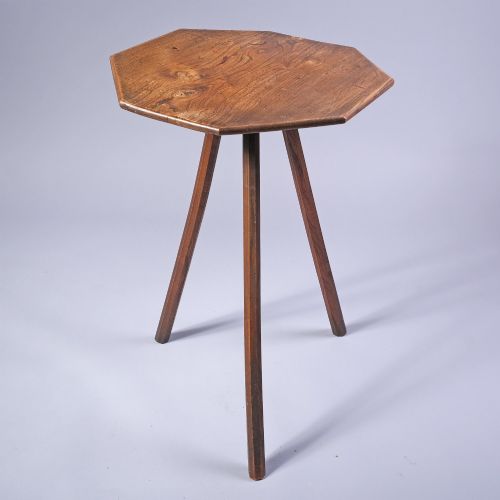
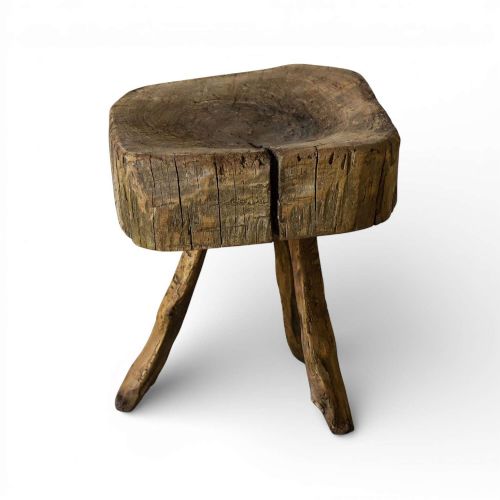
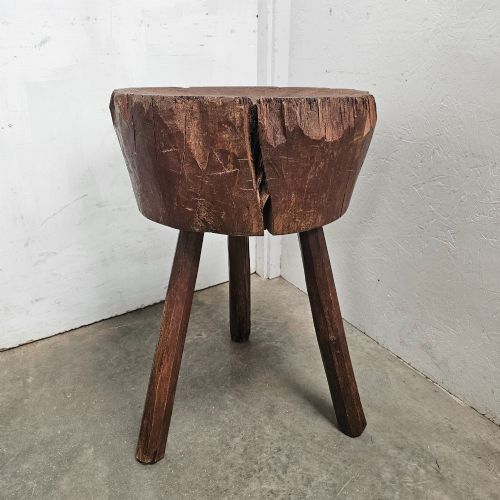
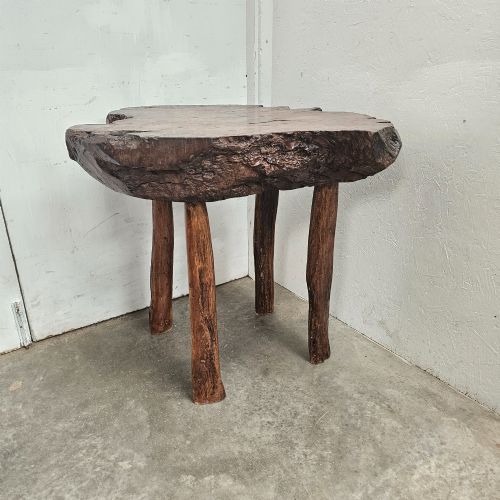
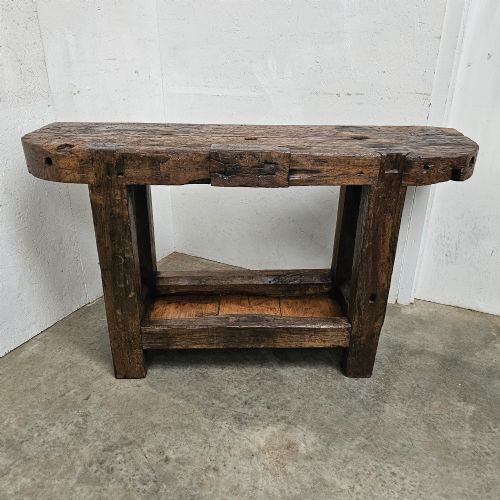
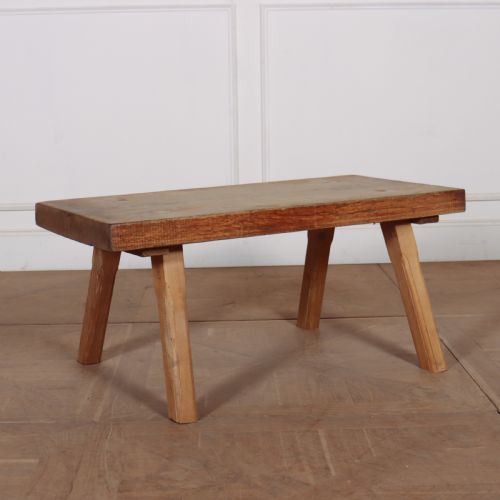
When searching for a primitive wooden side table, you are looking at utilitarian furniture stripped of ornate decoration and built purely for practical domestic or rural work. These pieces span centuries from the eighteenth through the Edwardian era, taking the form of low occasional tables, stools, benches, and repurposed blocks.
The versions you are most likely to meet on this page lean heavily into rural and vernacular traditions, originating from British, French, Spanish, and Catalan makers. They serve as compact surfaces that bring robust, unpolished character into contemporary spaces without competing with finer furnishings.
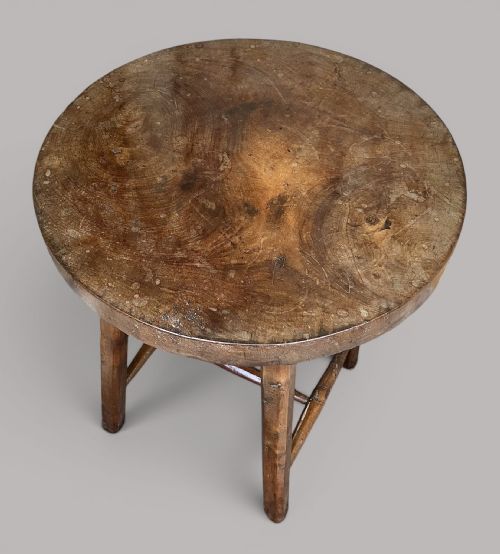
Their forms often blur the lines between seating and surface, encompassing three-legged ash tables, low elm work benches, and circular walnut designs. Each item carries the distinct marks of its original agricultural, dairy, or workshop setting.
How they were made
Makers utilised solid timbers sourced locally, depending entirely on regional availability rather than imported luxury stock. Elm, ash, pine, oak, sycamore, and walnut provide the heavy structural foundation for these pieces, often combined within a single item.
Construction techniques prioritise structural survival over invisible joints, relying on pegged mortise and tenon connections, robust trestle supports, and raw gnarled branches or turned legs. Surfaces show the direct tool marks of the adze, drawknife, and hand saw without the smoothing of modern machinery.
Object forms span standard side tables, occasional tables, dairy benches, chopping blocks, and cobblers benches.
What varies in quality
The hierarchy among these pieces rests upon the integrity of the material and the honesty of the wear. Grain configuration, such as the dense figuring of burr thuya or the deep patination on old elm and pine, separates standard work from exceptional survivals.
Structural proportions and the preservation of original surfaces dictate desirability. Pieces retaining their early legs, unstripped timber tones, and untouched joins hold greater historical coherence than those altered or overly scrubbed.
The Primitive Wooden Side Table Glossary
- Vernacular
- Everyday objects built by local craftspeople using traditional regional methods rather than high-style academic designs. These pieces reflect the specific domestic or agricultural needs of their local community.
- Trestle table
- A board or top supported by two or more upright frame assemblies, often utilised for heavy work or dining in rural settings. This form allows for maximum legroom and simple dismantling.
- Chopping block
- A thick, solid block of timber used originally for heavy food preparation or butchery, marked by deep surface cuts and heavy use. They function well as stable low tables or stands.
- Cobblers bench
- A low, compartmentalised seat and workbench used by shoemakers to hold tools and leather. These feature distinct indents, drawers, and patinated surfaces from daily trade use.
- Patina
- The deep surface sheen and colour acquired by wood through decades of handling, polishing, and natural oxidation. It serves as a visual indicator of age and continuous use.
Primitive Wooden Side Table: Frequently Asked Questions
What is a primitive wooden side table?
A primitive wooden side table is a utilitarian piece of furniture made for rural or domestic work, possessing minimal decoration and straightforward construction.
These items include low occasional tables, dairy benches, and repurposed blocks that now function as compact side surfaces in homes.
How do I date an old wooden table?
Dating relies on observing tool marks, timber choices, and construction methods characteristic of specific periods like the eighteenth or nineteenth century.
Examine the joins, the type of screws or pegs used, and the depth of the surface patination built up over generations.
Where were these rustic tables made?
These tables were produced across rural Britain and continental Europe, including France, Spain, and Wales, by local joiners or craftsmen.
Makers utilised whichever regional hardwoods were immediately available, such as ash, elm, pine, and sycamore.
How can I live with primitive furniture?
Living with these pieces involves embracing their existing marks, dents, and historical repairs as part of their narrative character.
They pair well with modern interiors by providing a contrasting texture of warm, aged timber against cleaner architectural lines.