
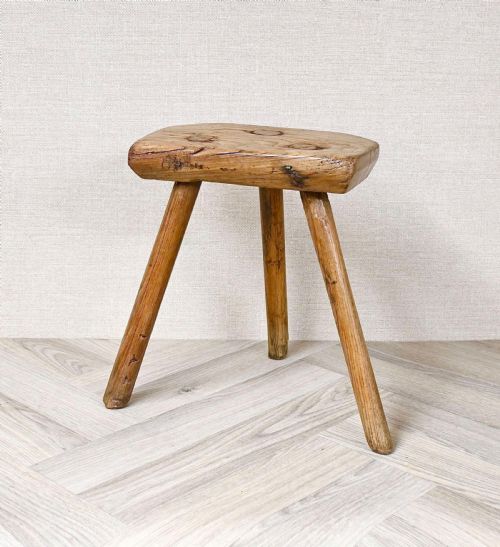


Primitive Wood Stool
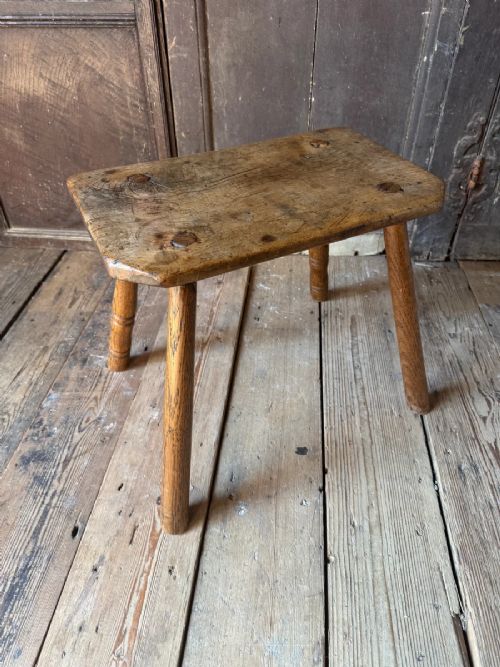
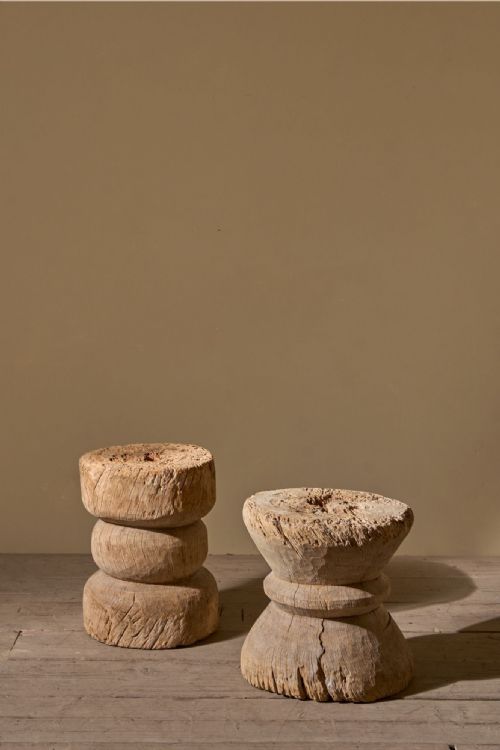
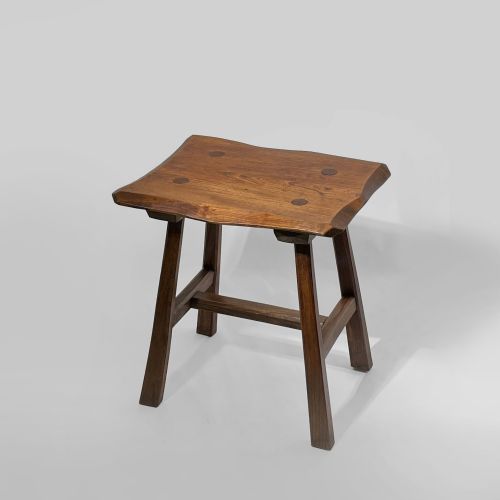
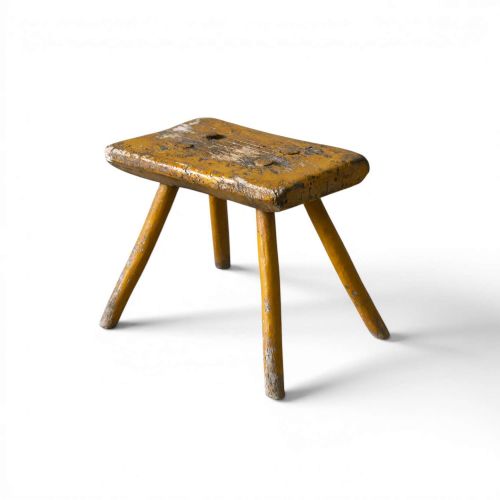
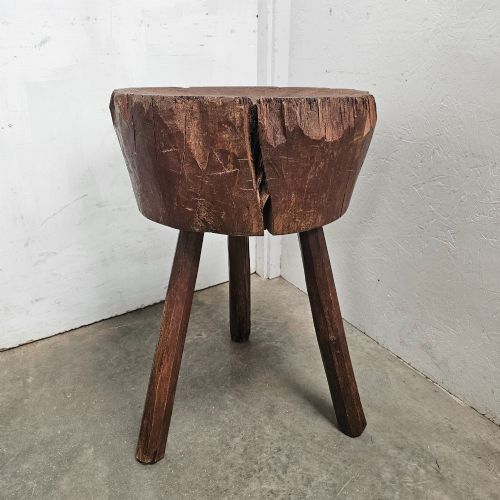
These primitive wood stool examples are honest working seats and blocks shaped by utilitarian need rather than academic design.
Primitive Wood Stool
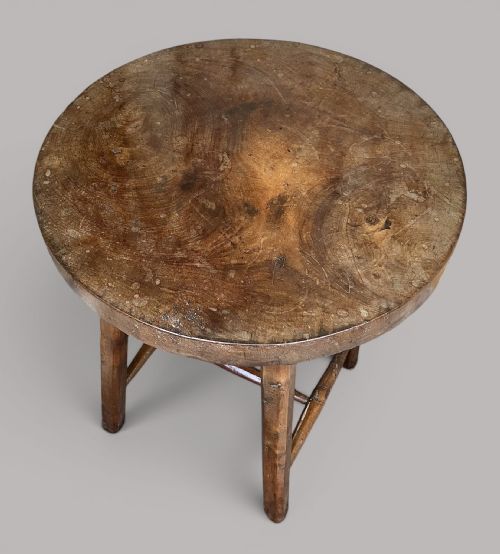
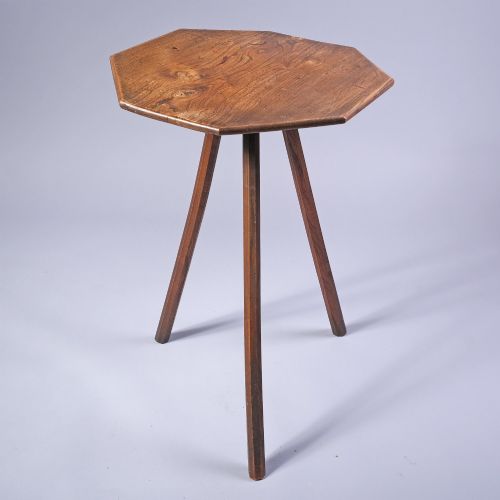
A primitive wood stool sits firmly in the realm of vernacular and rustic folk art, carrying the marks of rural life from the eighteenth century through to the Edwardian period. Buyers searching this phrase encounter low milking seats, solid block forms, and three-legged work stools that served practical daily functions.
The domestic and agricultural origins shape every piece, often blurring the line between low occasional tables and seating. French, English, and Eastern European examples appear frequently, alongside occasional African tribal pieces and regional items like Catalan shepherd tables.
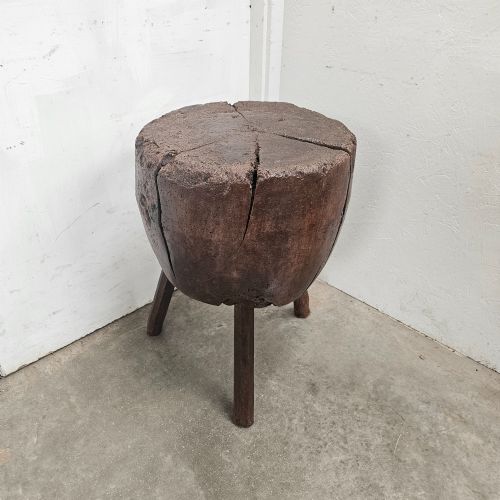
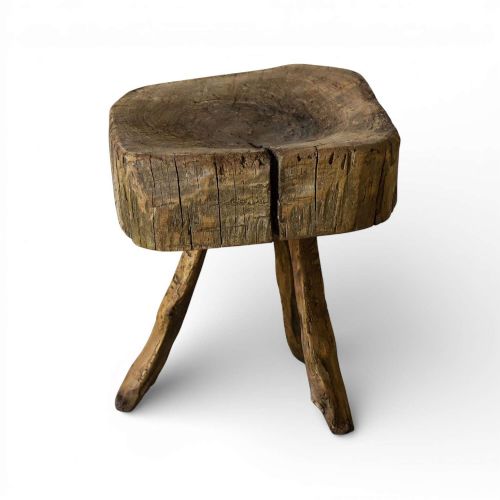
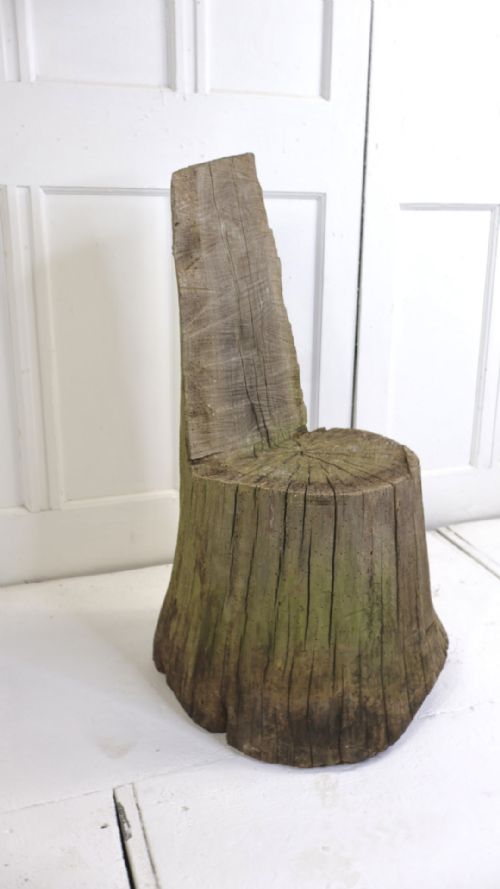
Makers shaped these objects directly from available timber to solve immediate domestic problems. Surviving pieces range from simple round-seated milking stools to sculptural tree seats and heavy game or butcher blocks.
How they were made
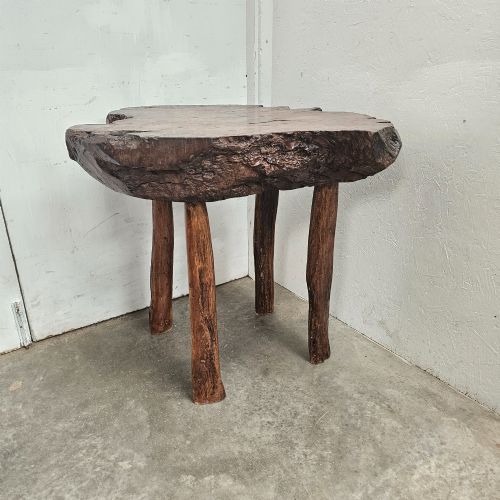
Craftsmen utilised solid timber such as elm, ash, beech, oak, and sycamore, often combining different woods within a single stool for legs and seats. Natural forms, tree trunks, rootwood, and burr timbers dictated the final silhouette rather than strict architectural plans.
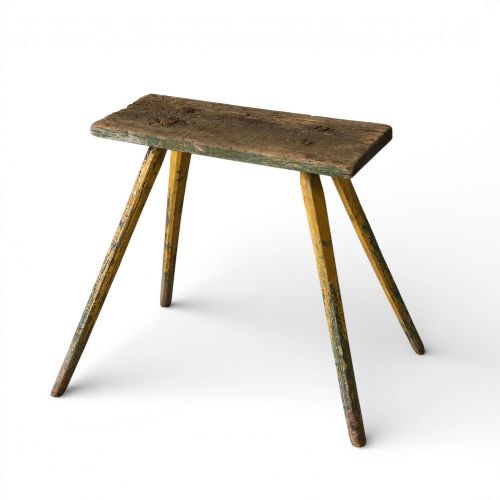
Joinery methods remained straightforward and sturdy, relying on wedged tenons or simple pegged joints to withstand heavy daily use in workshops and dairies. Some pieces retain traces of original ochre or plain paint applied by past owners to protect the wood.
Listings span the eighteenth, nineteenth, and early twentieth centuries, featuring resilient hardwoods like oak, elm, ash, and beech.
What varies in quality
Quality in a primitive wood stool lies in the character of the grain, the honesty of the wear, and the balance of its proportions. The most desirable pieces display a sculptural, unforced relationship between the natural shape of the timber and its function.
Surface patination reveals decades or centuries of handling, setting superior examples apart from those with dry or stripped timber. Original paint or untouched gnarled legs elevate a piece, while clumsy later repairs diminish its integrity.
The Primitive Wood Stool Glossary
- Vernacular
- Objects made by local craftsmen for everyday use rather than following high-style academic fashions. These pieces rely on regional traditions and readily available materials.
- Milking stool
- A low, typically three-legged seat designed for milkmaids and farm workers to use while tending livestock. The three-legged format ensured stability on uneven barn floors.
- Game block
- A heavy timber block or low table used in food preparation and game butchery. These items often feature thick chopping surfaces supported by robust, rustic legs.
- Rootwood
- Timber sourced from the root system of a tree, prized for its gnarled, twisting grain patterns. It yields highly decorative and unusual seating forms.
- Patina
- The deep surface sheen and colour developed by wood over long periods of handling, light exposure, and polishing. It serves as a key indicator of age and authenticity.
Primitive Wood Stool: Frequently Asked Questions
How do I use a primitive wood stool at home?
These low seats function well as small side tables next to a low armchair, or as freestanding display surfaces for plants and objects. Their sturdy build also allows them to serve as occasional seating in hallways or living spaces.
Because of their low heights and compact footprints, they fit easily into small corners where conventional furniture might overwhelm the room.
Are these stools comfortable to sit on?
Most pieces were built for utility rather than lounging, so seats are often small, hard, and slightly dished or sculpted to fit the body. They suit short periods of sitting rather than long hours of relaxation.
The appeal lies primarily in their sculptural presence and historical texture rather than ergonomic comfort.
How should I clean and care for the wood?
Dust the surface regularly with a dry or slightly damp soft cloth to prevent grime buildup. Avoid modern polishes and harsh chemical cleaners that can strip the historic wax or dry out the old timber.
Applying a traditional beeswax occasionally helps nourish dry wood and preserves the natural surface patination built up over generations.
How can I tell the age of a stool?
Age is judged by tool marks, the type of timber used, the method of joint construction, and the depth of the surface patina. Hand-quarried or pit-sawn marks and handmade fixings often point to eighteenth or nineteenth-century origins.
Comparing the wear patterns around footrests and seat edges helps confirm whether the use marks are genuine and period-correct.