

Presentation Boxed Silver
Presentation boxed silver brings together fitted caskets and custom sets created to mark occasions, holding their fitted cases as proof of purpose.
Presentation Boxed Silver
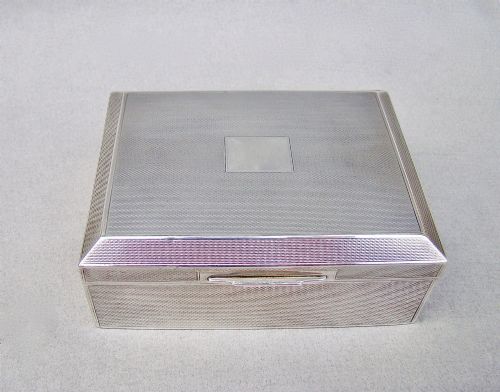
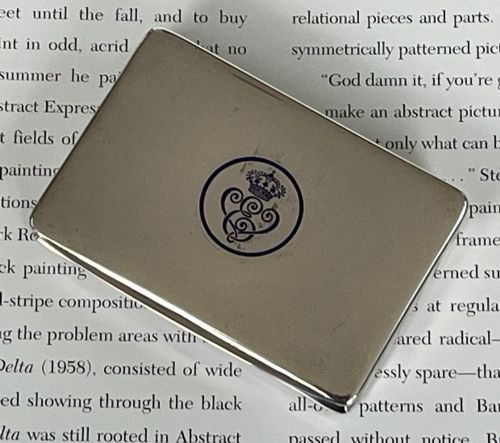
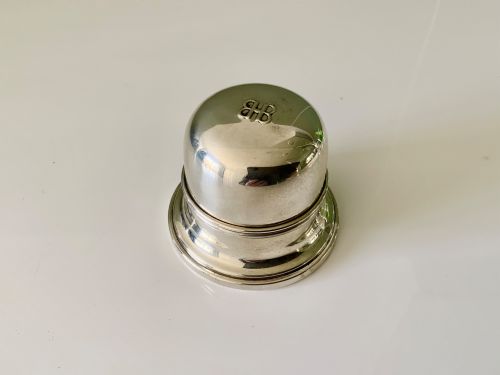
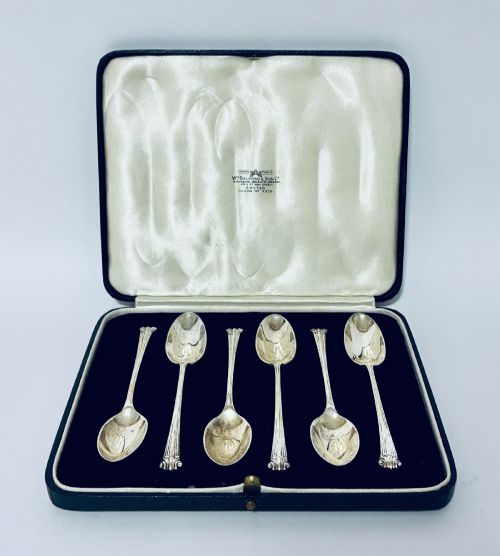
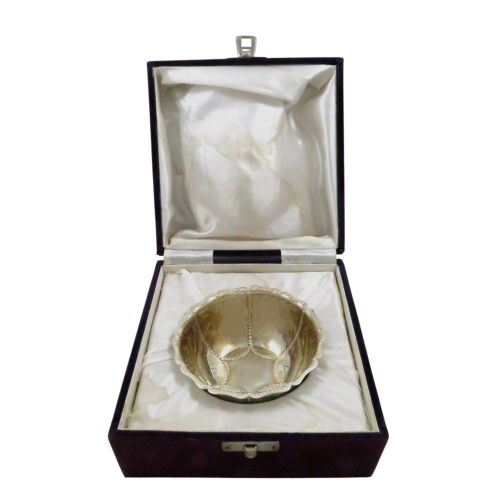
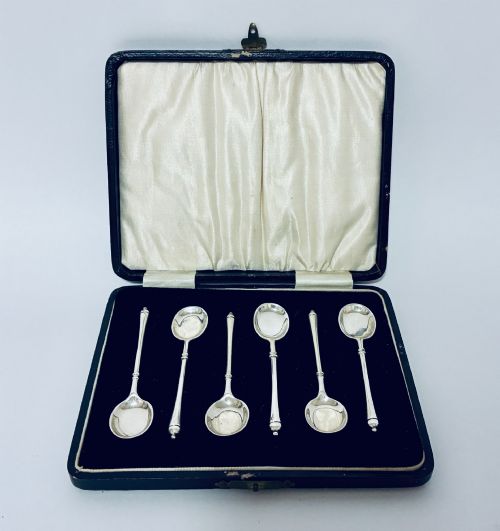
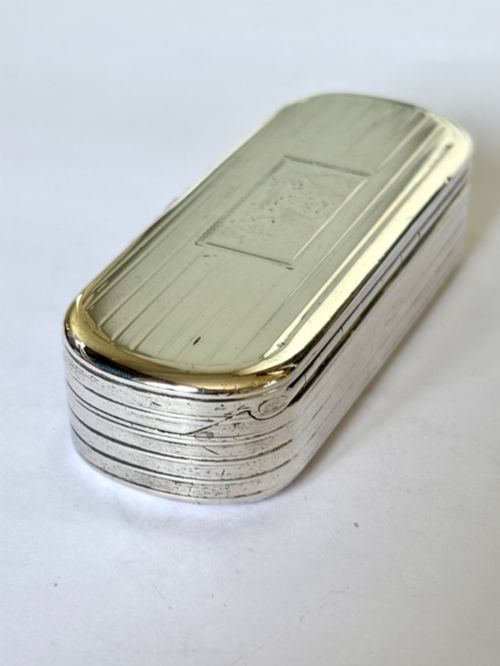
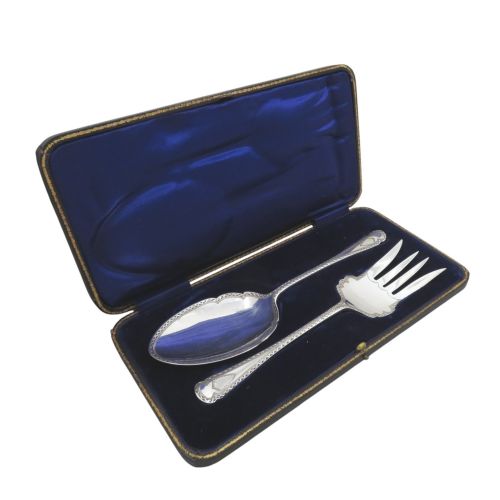
Presentation boxed silver encompasses fitted caskets, specialised cutlery sets, and commemorative objects made for personal or official occasions. When you search for presentation boxed silver, you meet items designed from the outset to live inside bespoke outer shells.
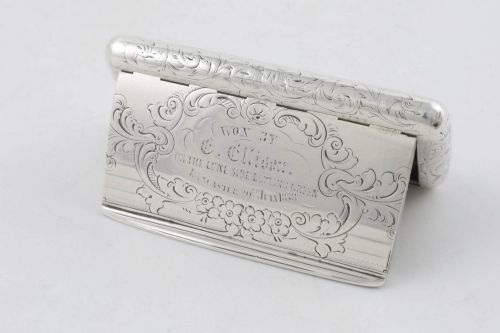
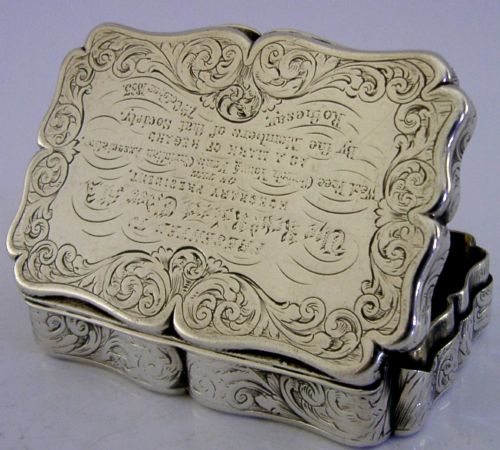
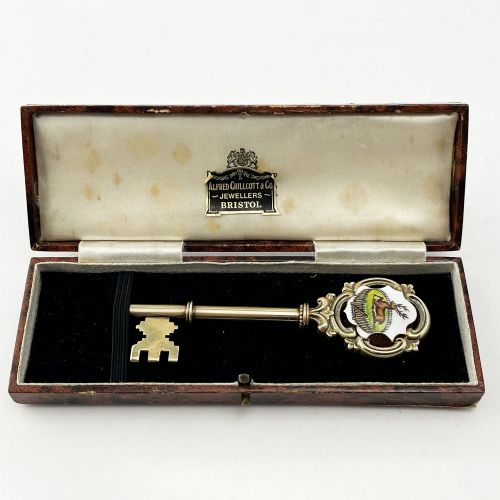
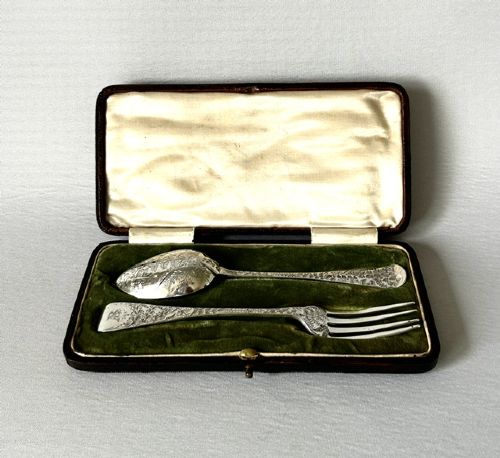
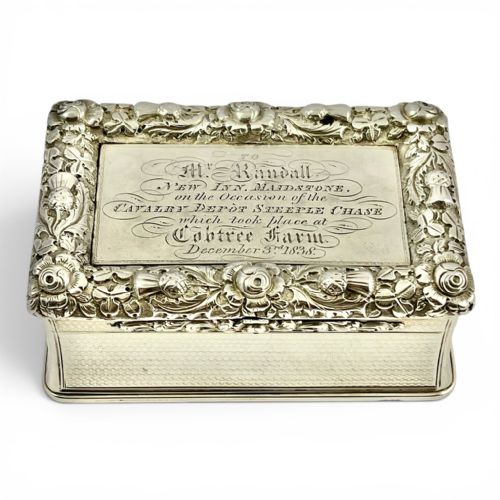
The selections span Victorian, Edwardian, and later twentieth-century periods, running from mid-nineteenth-century snuff boxes and christening sets to later fitted caskets and commemorative keys. Many pieces retain specific ties to regimental, royal, or institutional events.
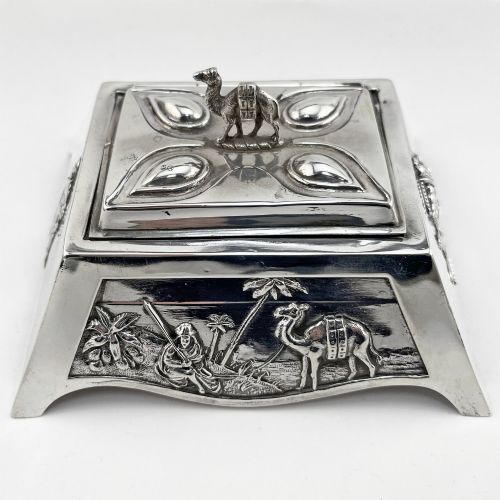
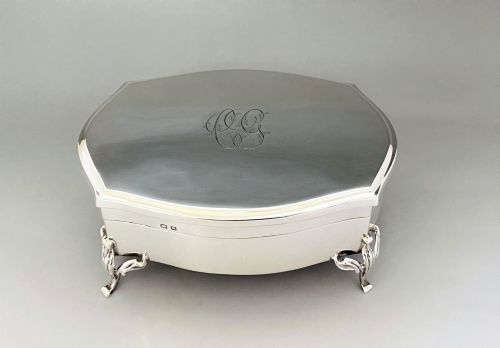
Forms vary widely across the inventory, ranging from visiting card cases and serving spoons to napkin rings, shot glasses, and playing card boxes. Each survival pairs solid sterling silver or silver plate with an original protective housing.
Materials and Construction
Makers shaped these items primarily from solid sterling silver or silver plate, frequently employing gilt finishes, enamel accents, and engraved ornamentation. Structural metalwork often pairs with fitted interiors lined in velvet, silk, satin, or leatherette.
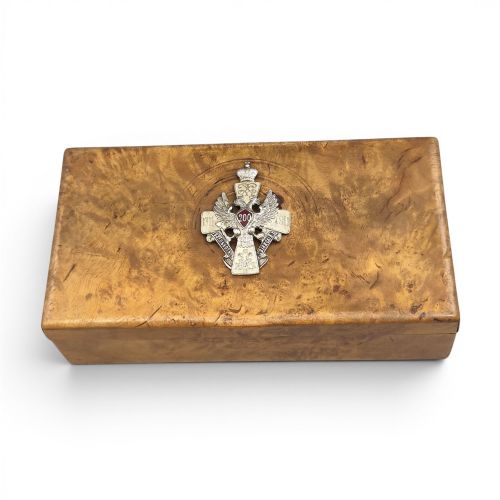
Outer cases utilise durable substances like leather, wood such as Karelian birch, or robust synthetic materials designed to shield the contents. Master silversmiths utilised chasing, engraving, and casting techniques to achieve cartouche shapes and detailed crests.
Presentation Boxed Silver Retail Price Guide 2026
Typical asking prices for presentation boxed silver among the pieces listed under this phrase on Sellingantiques today, from the lower quarter to the upper quarter. They describe what is for sale here now, not the wider market.
Listings feature items spanning from the early nineteenth century through the mid-twentieth century, constructed in sterling silver, silver plate, and leather.
Evaluating the Pieces
Quality rests heavily on the integrity of the original fitted case and its relationship to the silver object inside. Complete sets that retain their designated housing and original lining hold greater historical cohesion.
The distinction between standard utility items and high-tier presentation pieces lies in the crispness of the engraving, the weight of the silver, and the documented provenance of the commissioning body.
Mappin & Webb·Robert Thornton·Edward Smith·Cartier·David Pettifer·Joseph Willmore·Elkington & Co
The Presentation Boxed Silver Glossary
- Cartouche
- An oval or oblong frame design used on silver boxes to hold heraldic crests or initials. These ornamental panels typify mid-nineteenth-century table snuff boxes.
- Silver Gilt
- Sterling silver that has been coated with a thin layer of gold on its surface. This technique creates a rich interior contrast inside presentation snuff boxes and caskets.
- Salver
- A flat plate or tray used for presenting items, typically supported on small feet. Examples appear in colonial silver formats.
- Fish Servers
- Matched knife and fork combinations specifically sized for serving fish courses. These large utensils frequently arrive preserved in fitted cases.
- Trinket Box
- A small container designated for holding jewellery or small personal accessories. These receptacles often feature plush interior linings of velvet or satin.
Presentation Boxed Silver: Frequently Asked Questions
What defines presentation boxed silver?
Presentation boxed silver comprises items explicitly created to mark milestones, official events, or personal achievements, accompanied by a custom-fitted housing. These objects range from commemorative keys and regimental caskets to christening sets.
The inclusion of the original case distinguishes these pieces from loose tableware or unhoused accessories. They preserve both the silversmith's work and the tailored container built to protect it.
How do I know the case is original?
An original case matches the exact contours, dimensions, and structural profile of the silver object it contains. Velvet or satin indentations align precisely with the handles, hinges, or feet of the piece.
Interior lining labels or retailer stamps inside the lid often correspond to the silversmith or the period of the silver itself. Discrepancies in wear between the case and the contents usually indicate a later pairing.
How were these items used historically?
Many of these items served a dual purpose as functional tableware or personal accessories and as formal tokens of gratitude or office. Christening sets celebrated new arrivals, while regimental boxes honoured military service.
When not in active use, the silver remained stored safely inside its velvet or silk-lined box. This preservation method kept delicate engravings and gilt surfaces safe from tarnishing and handling wear.
How should I care for fitted silver?
Cleaning requires separating the silver object from its historical case to avoid exposing fragile textiles like velvet, silk, or leather to liquid polishes. Use non-abrasive cloths and gentle cleaning agents suited for sterling silver.
Store the items in stable environments away from direct sunlight and excessive humidity to protect both the metal and the historic housing materials.