


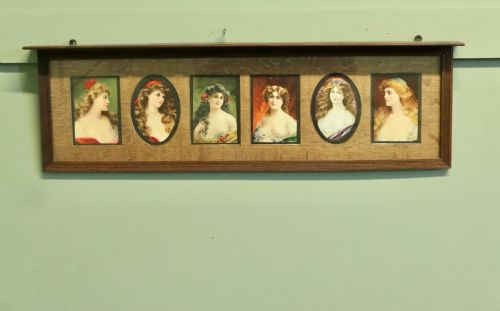


Pre Raphaelite Portrait
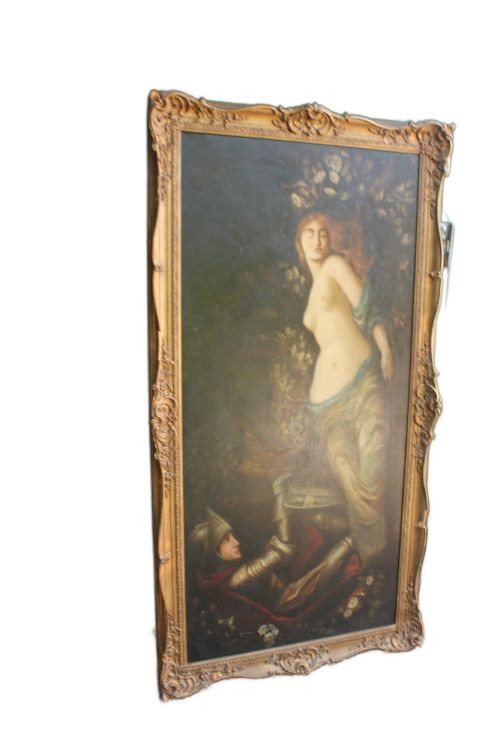
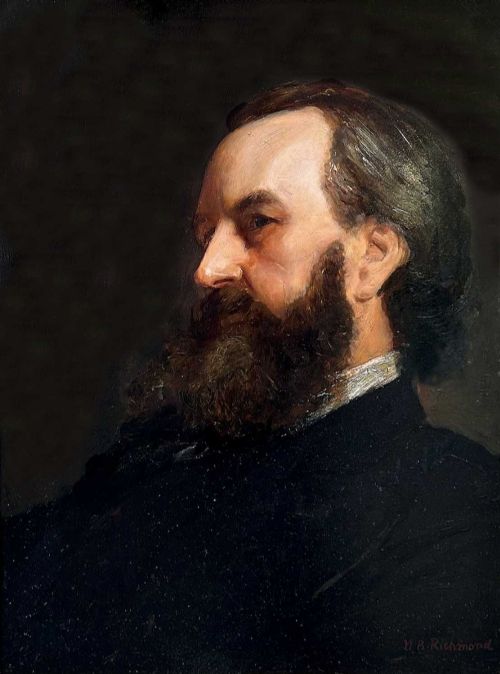
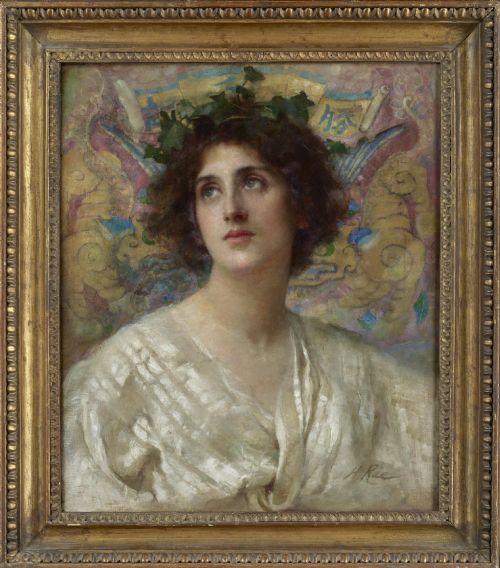
These pre raphaelite portrait works capture intense literary and classical themes through meticulous nineteenth-century brushwork.
Pre Raphaelite Portrait
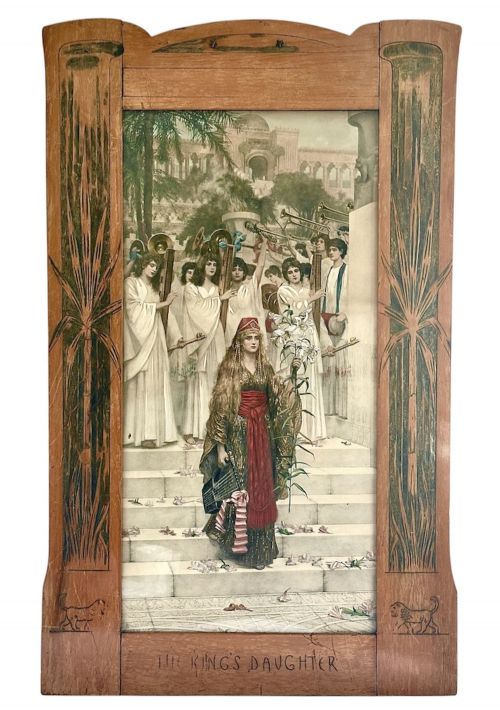
A pre raphaelite portrait captures subjects influenced by nineteenth-century romanticism, literary narratives, and classical motifs. You will frequently encounter original oil paintings on canvas or board, alongside watercolours and period photogravures.
The pieces on this page span the Victorian era, the Arts and Crafts period, and early Art Nouveau influences. Portraits often depict ladies with flowing hair, figures in pastoral landscapes, or detailed studies of youth and character.
How they were made
Artists relied primarily on oil on canvas, panel, or board, building rich colour through careful layering. Watercolours and gouache on paper also appear, frequently paired with period framing materials such as giltwood, oak, and glass.
Precision in draughtsmanship underpins these works, reflecting the movement's dedication to natural detail and academic rigour. Pigments were handled to achieve luminosity, particularly in depictions of hair, textiles, and natural foliage.
Pre Raphaelite Portrait Retail Price Guide 2026
Typical asking prices for pre raphaelite portrait among the pieces listed under this phrase on Sellingantiques today, from the lower quarter to the upper quarter. They describe what is for sale here now, not the wider market.
Listings feature works spanning the nineteenth century into the 1930s, utilising oil on canvas, watercolor, gouache, paper, oak, and giltwood.
What varies in quality
Quality rests upon the strength of the composition and the artist's command of facial expression and psychological depth. Works by named painters or studio associates generally display superior handling of light and anatomical proportion.
The integrity of the original support and the condition of the surface paint or pigment determine the preservation grade. Period framing, particularly original giltwood or carved oak housings, adds significantly to the character of the piece.
John Maler Collier·William Blake Richmond·Henrietta Rae·Herbert Gustave Schmaltz·Philip Richard Morris·Alice Anne Renshaw·Arthur Hacker·Sir John Everett Millais·James Dromgole Linton·Mrs Caroline W Brook·Ralph Peacock·Henry Mawdsley
The Pre Raphaelite Portrait Glossary
- Photogravure
- A photographic print produced from a photomechanical process that transfers an image onto a copper plate. It offers deep tonal gradations resembling an original photograph or etching.
- Gouache
- An opaque water-based paint consisting of pigment, water, and a binding agent such as gum arabic. It creates a flat, matte finish often used alongside watercolour for highlights.
- Giltwood
- Wood that has been coated with a thin layer of gold leaf or gilt powder. It is commonly found on nineteenth-century frames designed to complement the warmth of oil paintings.
- Panel
- A flat wooden board used as a rigid support for painting. Artists frequently utilised mahogany or oak panels before stretched canvases became standard.
Pre Raphaelite Portrait: Frequently Asked Questions
What defines a pre raphaelite portrait?
These works focus on literary, classical, or poetic subjects with intense attention to detail and naturalism. They typically emerge from the nineteenth-century Victorian era and incorporate rich symbolisms.
Subjects often include young women with cascading curls, figures in historical dress, or allegorical representations of seasons and classical myths.
Are these works original paintings?
The selection includes both original hand-painted works in oil, watercolour, and gouache, alongside period photogravures and prints. Mediums are specified for each individual piece.
Original oils are typically executed on canvas, panel, or board, while works on paper include protective glass and period framing.
How should I frame and display them?
Many pieces retain their original period frames, such as giltwood or oak mouldings, which complement the nineteenth-century aesthetic. Display them away from direct sunlight to protect pigments and paper.
Ensure wall fixings are secure, as framed oils and mounted groupings with shelving carry substantial weight.
How can I tell the period?
Dating relies on stylistic markers from the Victorian era, Arts and Crafts movement, and early Art Nouveau period. Signatures, artist biographical dates, and framing materials also provide context.
Evidence shows works spanning the mid-nineteenth century through to the early twentieth century, reflecting shifting aesthetic movements.