
Portrait of a Woman Painting
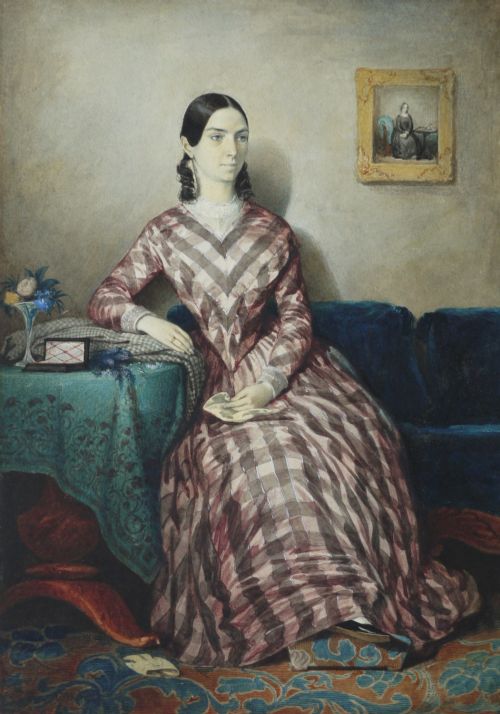
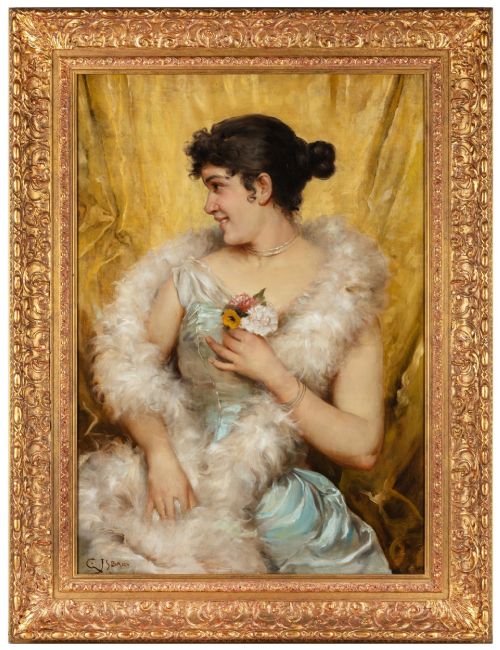
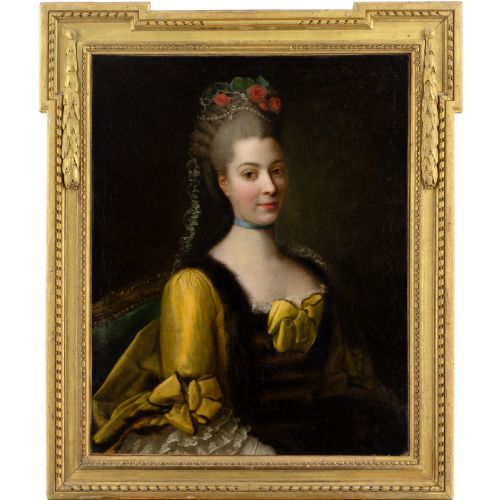
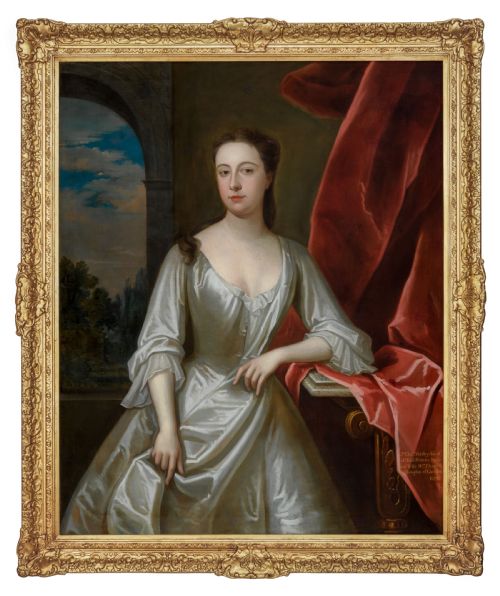
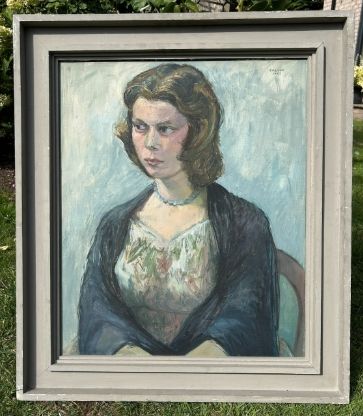
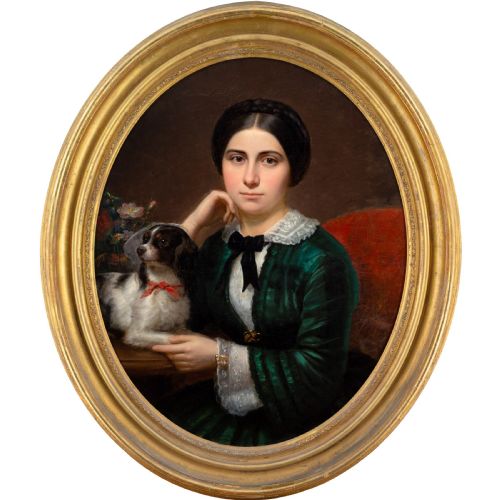
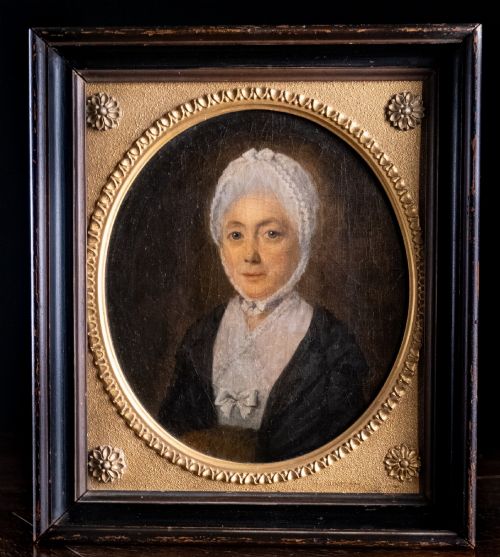
When you search for portrait of a woman painting, you discover historical artworks capturing female sitters engaged with their craft or canvas.
Portrait of a Woman Painting
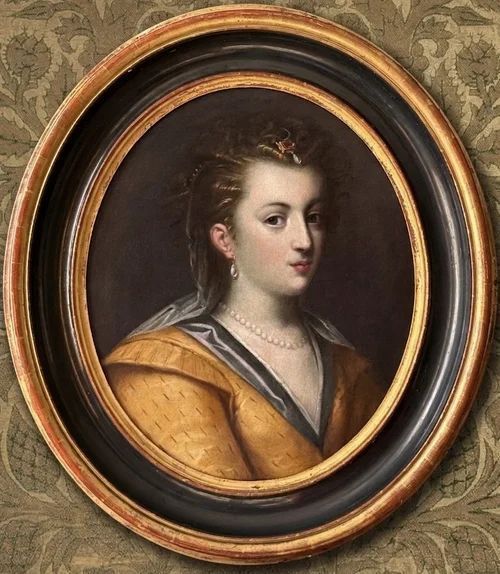
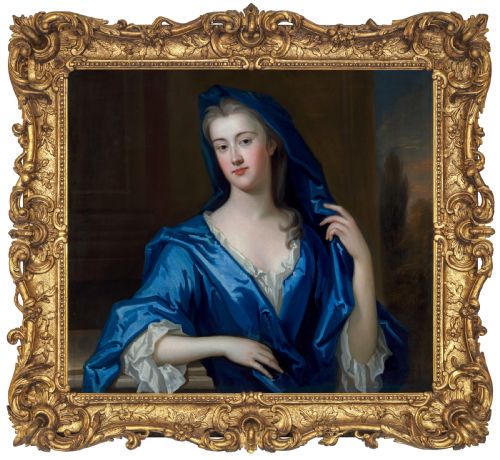
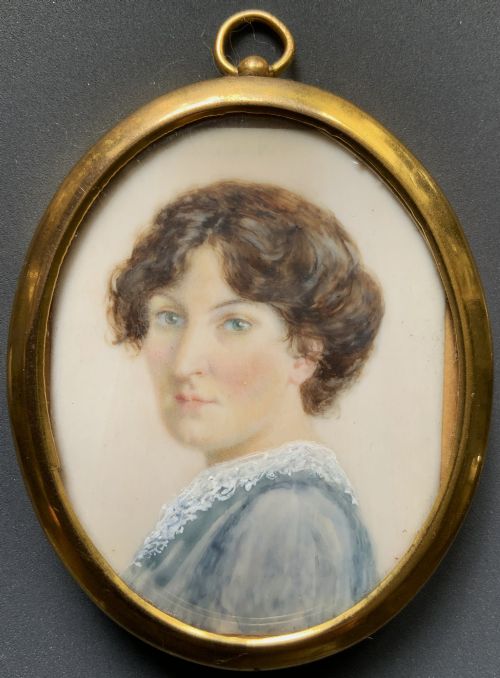
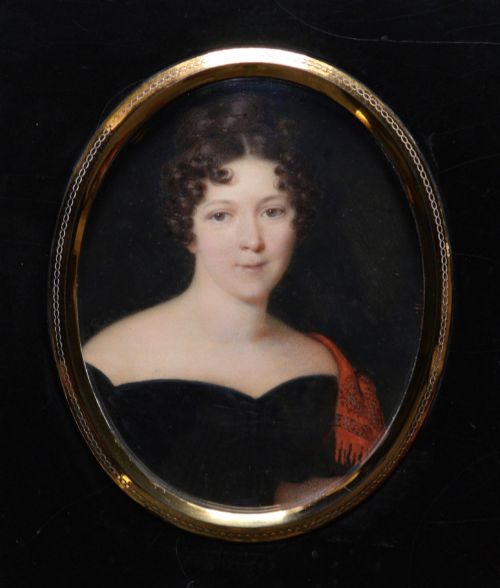
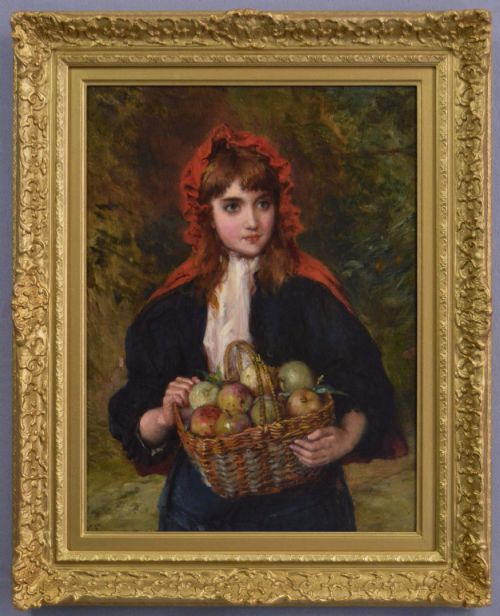
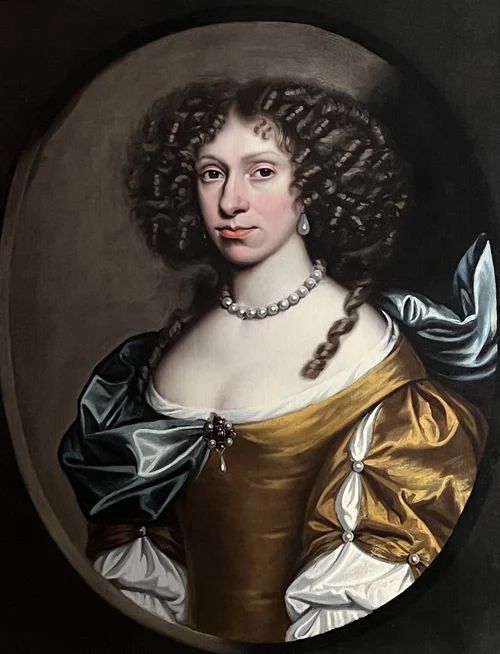
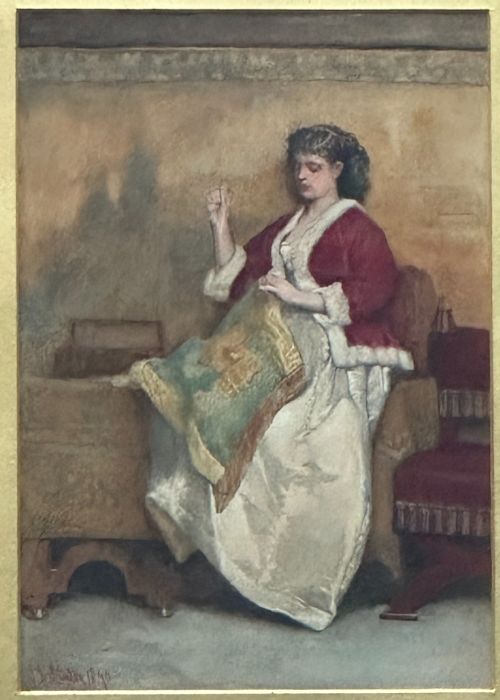
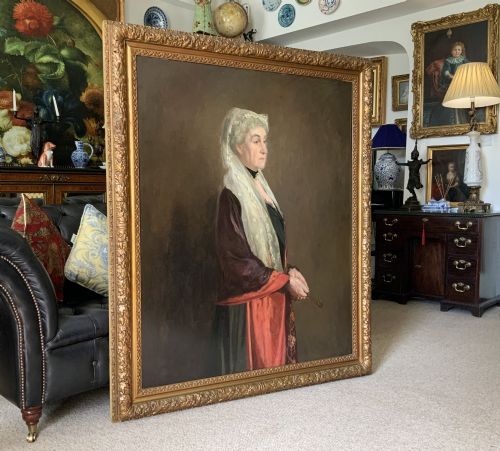
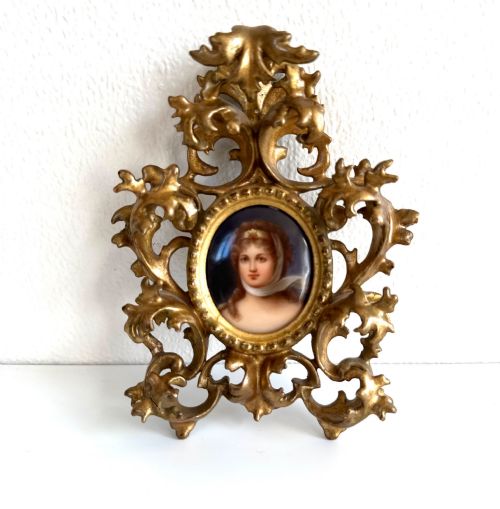
A portrait of a woman painting presents female artists or subjects seated at easels, holding brushes, or surrounded by creative implements across centuries of fine art. These works span the seventeenth century through to the mid twentieth century, encompassing formal oil on canvas compositions, intimate watercolours, and delicate portrait miniatures.
Buyers encounter regional European schools, including British, French, German, and Italian pieces, alongside works by named academic artists and anonymous regional hands. The subjects range from grand aristocratic commissions to quiet domestic scenes of women at work in their studios.
How They Were Made
Artists built these images primarily using oil paint applied to stretched canvas or wooden board, supported by traditional ground layers like gesso. Watercolour on paper and gouache appear alongside oils, particularly in smaller studies and nineteenth century works.
Frames form an integral part of the physical object, often constructed from moulded wood and finished with applied gesso and gilt leaf to house the canvas securely.
Several sitters choose to immortalise themselves not just reading or sewing, but actively wielding their own paintbrushes.
What Varies In Quality
The sophistication of brushwork and the anatomical accuracy of the hands and face distinguish the finest examples from standard commercial portraiture. Superior pieces capture character, light, and texture with convincing depth, whereas lesser works rely on formulaic rendering.
The preservation of the original paint layer, minimal historic restoration, and the presence of a period-appropriate giltwood frame significantly influence the standing of an individual artwork.
Sir Godfrey Kneller·William Oliver·David Scougall·Sir James Dromgole Linton·Charles Jervas·Toussaint Gelton·Charles Stuart Forbes·Lena Gurr·Charles James McCall·Achille-Fould·Thomas Gainsborough
The Portrait of a Woman Painting Glossary
- Oil on canvas
- Pigments bound with drying oils, usually linseed, applied to a woven fabric support stretched over a wooden frame. This medium allowed artists to achieve rich colour saturation and subtle blending.
- Gesso
- A traditional paint mixture consisting of a binder mixed with chalk, gypsum, or pigment used to prepare wood or canvas surfaces. It provides a smooth base for subsequent layers of paint or gilding.
- Portrait miniature
- A small, highly detailed painting executed on vellum, card, or ivory, often housed in a protective metal or gilt frame. These intimate items gained popularity for personal portability.
- Giltwood
- Wood that has been coated with a thin layer of gold leaf or powder over a preparation base. Antique frames in this finish provide structural context for paintings from the seventeenth to nineteenth centuries.
- Provenance
- The documented history of ownership of an antique object tracing its origin to the present day. Clear records help establish authenticity and past exhibition history.
Portrait of a Woman Painting: Frequently Asked Questions
How do I identify the period of a portrait?
Clothing styles, hairstyles, and the construction of the canvas stretcher or frame offer primary clues to the date of execution. Technical examination of the pigments and canvas weave further helps narrow down the era.
Comparison with documented works by known schools or regional painters provides additional context for dating unsigned canvases accurately.
What is the difference between oil on canvas and oil on board?
Oil on canvas utilises a woven textile support stretched over a wooden frame, which provides natural give and historic precedent for larger formal works. Oil on board uses a rigid wooden or composition panel, often favoured for smaller studies and plein air painting.
Both methods support rich pigment application, but boards generally require less structural maintenance regarding canvas tension over the decades.
How should I hang and light an oil portrait?
Oil paintings require stable indoor humidity and temperature away from direct sunlight to prevent cracking in the paint layer and warping of the wooden stretcher. Hanging them on interior partition walls protects the canvas from exterior thermal fluctuations.
Utilising low-heat picture lights or ambient LED illumination preserves the pigments while highlighting the texture of the brushwork and the detail of the original frame.
Are portrait miniatures different from standard paintings?
Miniatures are executed on a much smaller scale, often requiring magnification to appreciate the fine stippling and cross-hatching techniques employed by the artist. They were historically intended as personal tokens rather than wall decorations.
Most miniatures feature protective glass covers and delicate metal or gilt frames designed to safeguard the fragile painted surface from dust and handling.