
Portrait in Wooden Frame
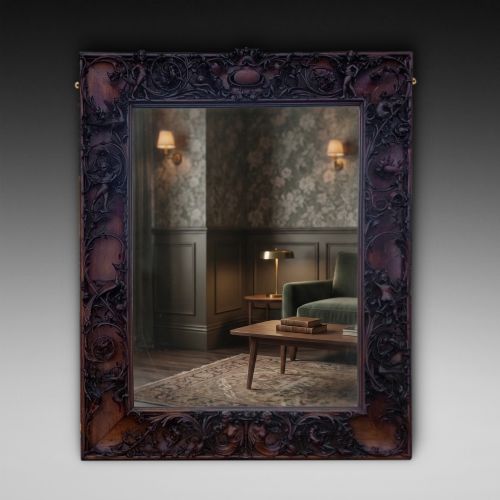
A portrait in wooden frame brings together historic likenesses and natural timber surrounds from the eighteenth and nineteenth centuries.
Portrait in Wooden Frame
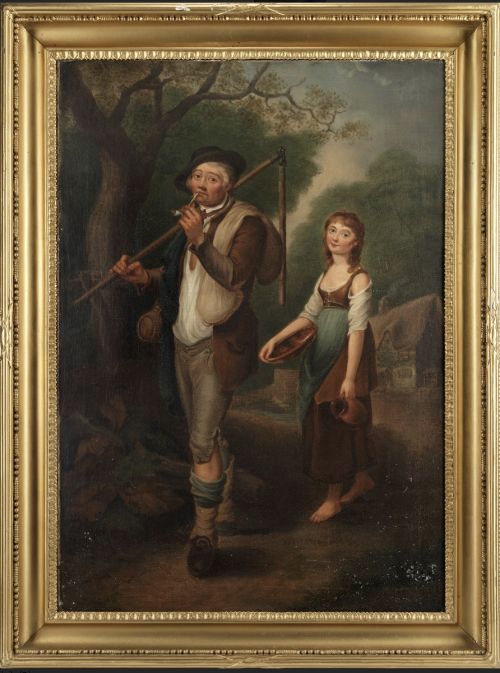
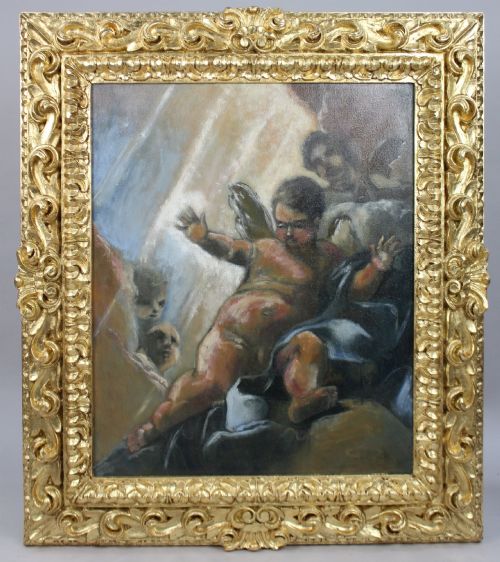
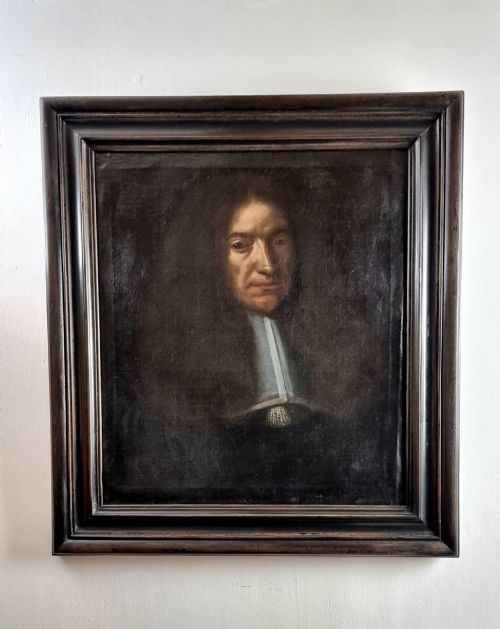
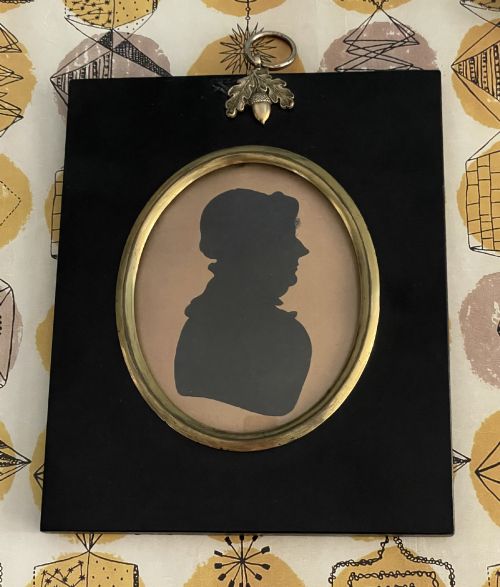
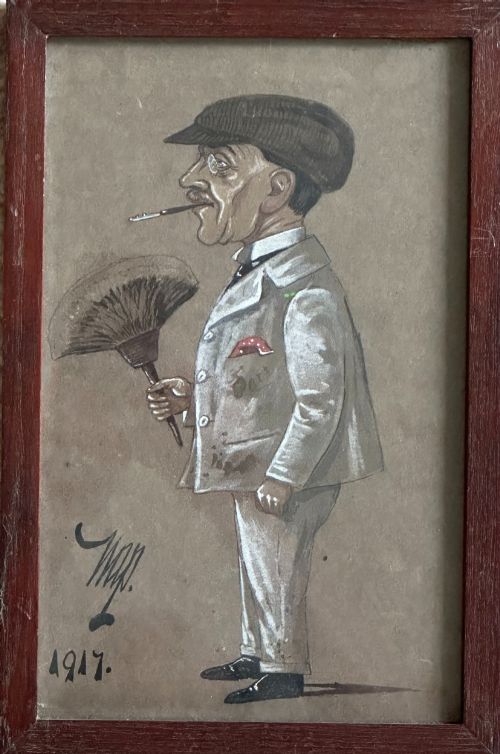
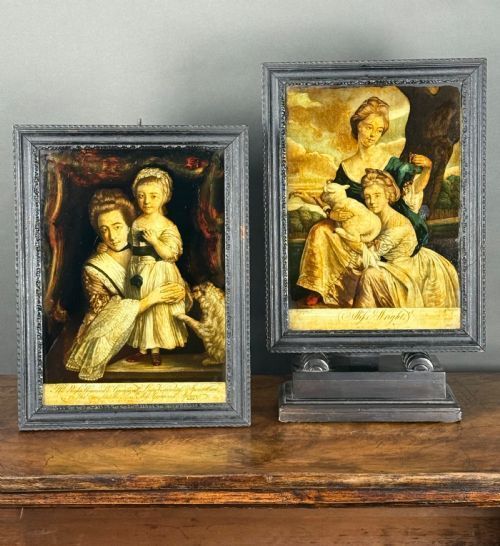
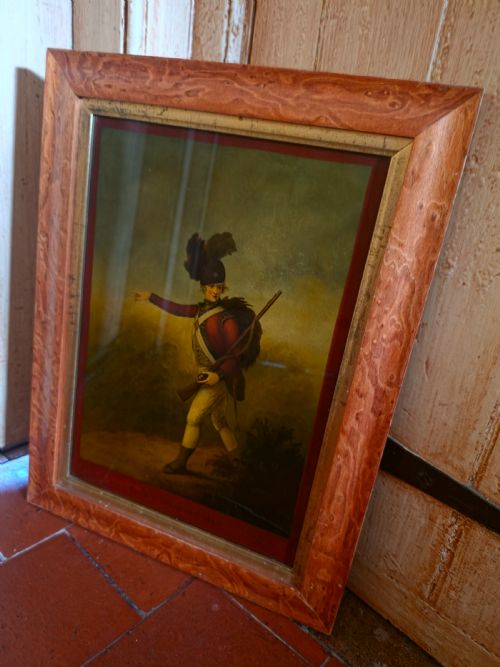
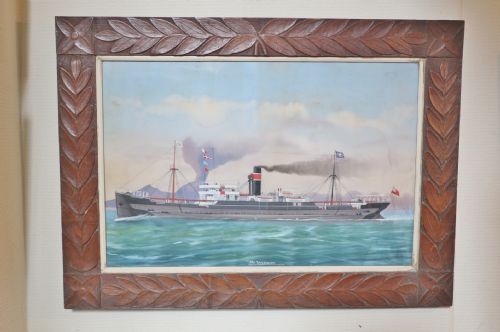
A portrait in wooden frame encompasses historic depictions of individuals rendered in oil paint, watercolour, pencil, or silhouette, housed within timber surrounds spanning the eighteenth, nineteenth, and early twentieth centuries. Buyers encounter works executed on canvas, panel, paper, and card, ranging from miniature watercolours in glazed wooden housings to large oil paintings set in carved giltwood.
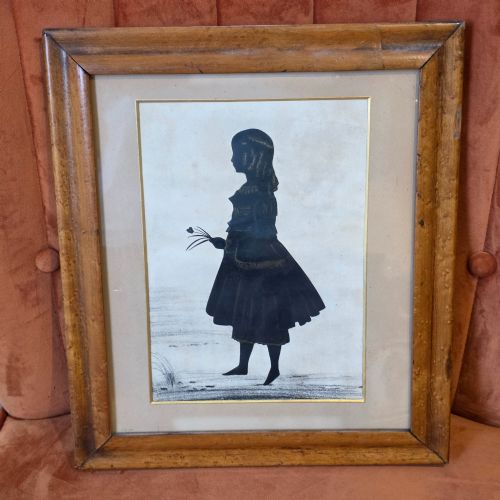
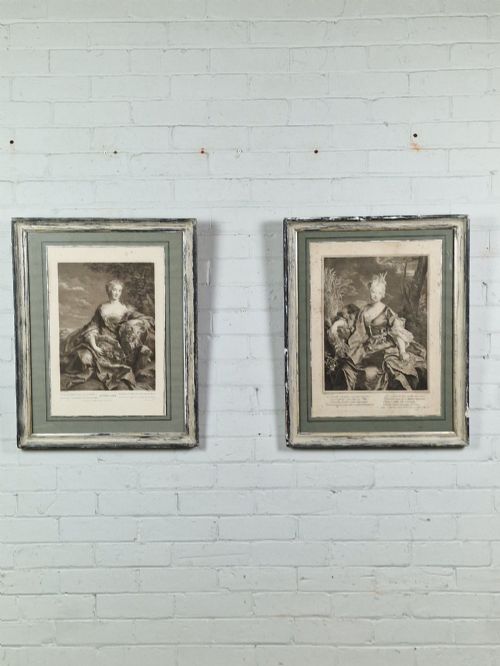
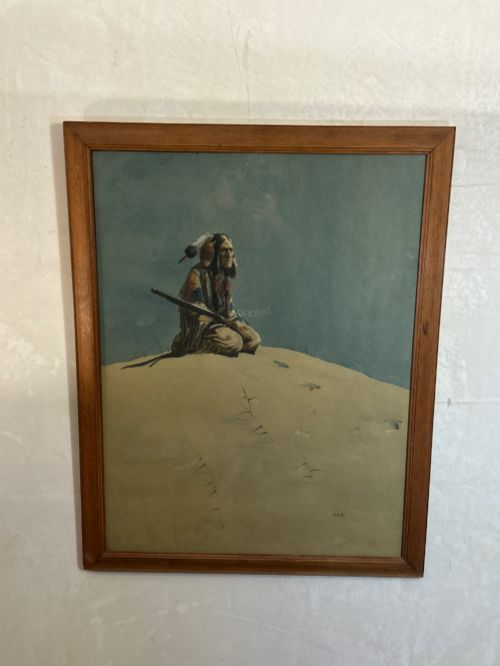
The selection on this page leans heavily toward nineteenth-century examples, alongside pieces originating in the Georgian, Victorian, and Edwardian eras. Common formats include profile silhouettes, painted miniatures, and substantial oil portraits, reflecting the varied ways past societies recorded the human face and form.
How they were made
Makers utilised traditional painting and drawing media such as oil paint, watercolour, pastel, ink, and cut paper applied to canvas, wood panels, and paper supports. These visual works were then paired with protective glass and housed within hand-carved, gilded, ebonised, or plain timber frames.
Structural integrity relied on seasoned woods like pine, walnut, and oak for panels and backing boards, while decorative surface treatments often involved gesso and applied metal leaf to finish the wooden mouldings.
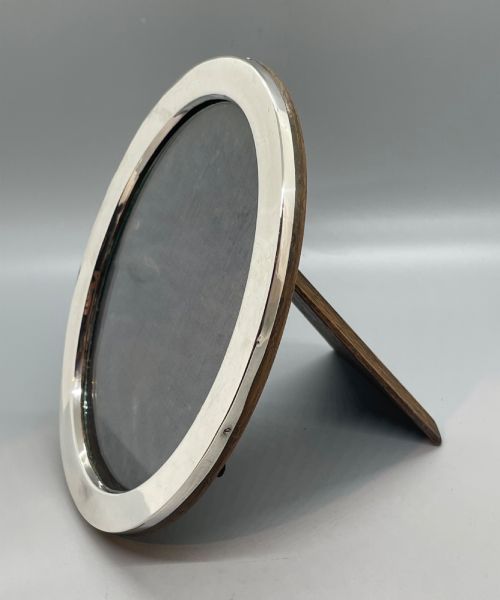
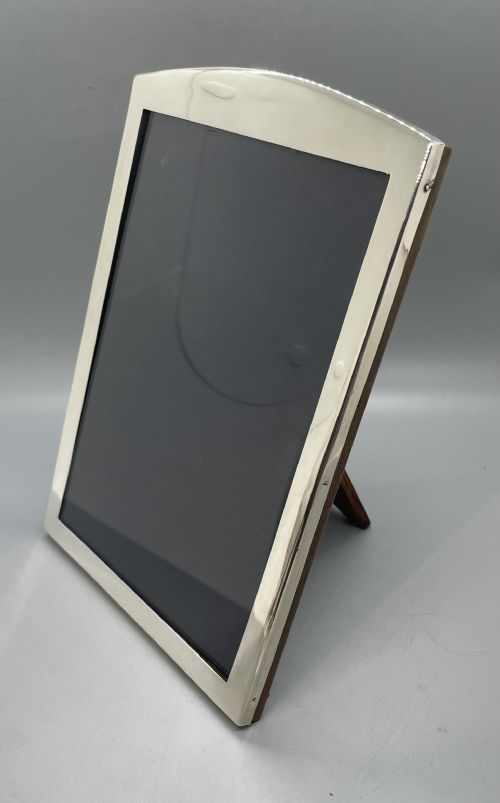
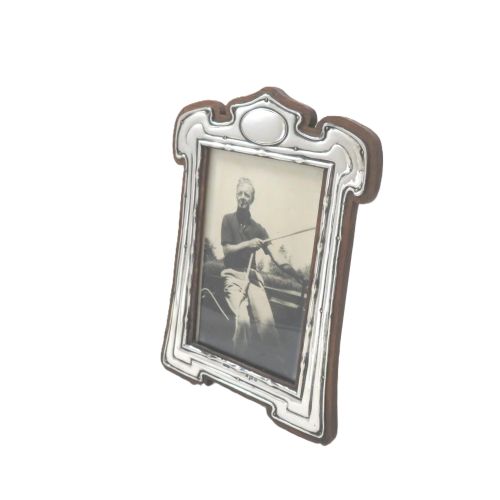
Listings feature works executed in oil paint, watercolour, pastel, and cut paper, housed in wooden and silver frames across the nineteenth and twentieth centuries.
What varies in quality
Materials also dictate the tier of a piece, distinguishing standard commercial production from works executed on high-grade canvas or fine-grained wood panels, enclosed in intricately carved or gilded surrounds rather than simple utility mouldings.
John Hassall·Thomas Barker of Bath·James Gillespie·Augustin Edouart·William Williams·George E Sharpe·Evaristo Cappelli·Alfred Egerton Cooper
The Portrait in Wooden Frame Glossary
- Silhouette
- A portrait represented as a solid shape of a single colour, usually black, showing the profile of a subject. These were often hand-cut from paper or painted directly onto card.
- Giltwood
- Timber that has been coated with a thin layer of gold leaf or gold paint. This finish is frequently found on decorative frames from the eighteenth and nineteenth centuries.
- Miniature
- A small-scale painting, commonly executed on ivory, vellum, or paper. These delicate works were frequently housed in small wooden or metal pocket frames.
- Panel
- A flat piece of wood used as a rigid support for oil paintings before canvas became the dominant medium. Oak, pine, and mahogany were typical choices for artists.
- Ebonised
- Wood that has been treated chemically or stained to resemble ebony. This dark, polished finish was popular for Victorian frames.
Portrait in Wooden Frame: Frequently Asked Questions
What periods do these portraits come from?
The available selection spans several centuries, with a strong concentration of pieces originating in the eighteenth, nineteenth, and early twentieth centuries. Examples reach from the Georgian era through the Victorian and Edwardian periods up to the interwar years.
Specific dates and stylistic markers help place individual items within these broader historical brackets, connecting them to distinct eras of portraiture and framing fashion.
How were these frames constructed?
Frames were built using traditional timber construction techniques, employing woods such as walnut, pine, and oak for structural stability. Many incorporate decorative elements like hand-carved mouldings, gesso work, and applied surface finishes including gilding or ebonising.
Backing boards and glazing were fitted to protect the delicate paper, canvas, or panel surfaces held within.
Are the portraits painted or drawn?
The artworks utilise a wide variety of mediums, including oil paint on canvas or wood panel, delicate watercolours on paper, ink washes, pastels, and cut-paper silhouettes. Each technique offers a different visual texture, from the heavy impasto of an oil painting to the fine line of a graphite drawing.
Some pieces also incorporate mixed media or photographic elements combined with hand-finished details.
How do I care for a framed portrait?
Preserving these pieces involves keeping them away from direct sunlight and maintaining stable indoor humidity to protect both the wooden frame and the artwork inside. Gentle dusting with a dry, soft cloth is sufficient for the timber surrounds.
Original glass should be cleaned sparingly with appropriate solutions applied to a cloth rather than sprayed directly onto the surface.