



Porcelain Wall Sconce
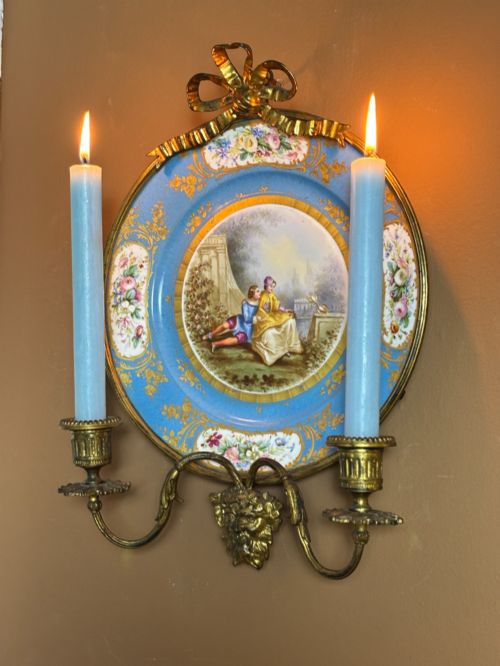
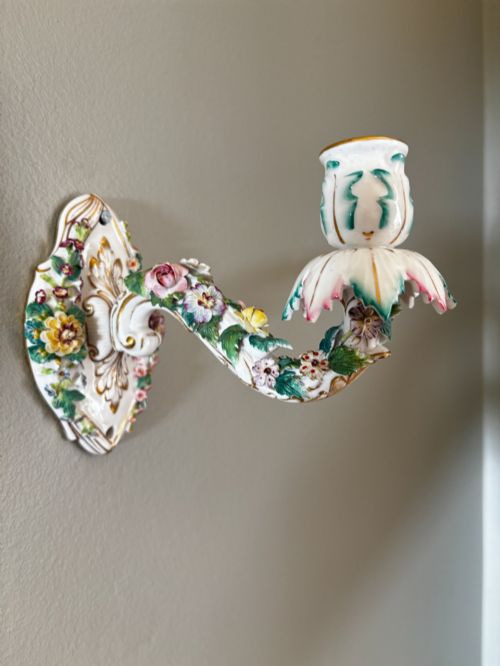
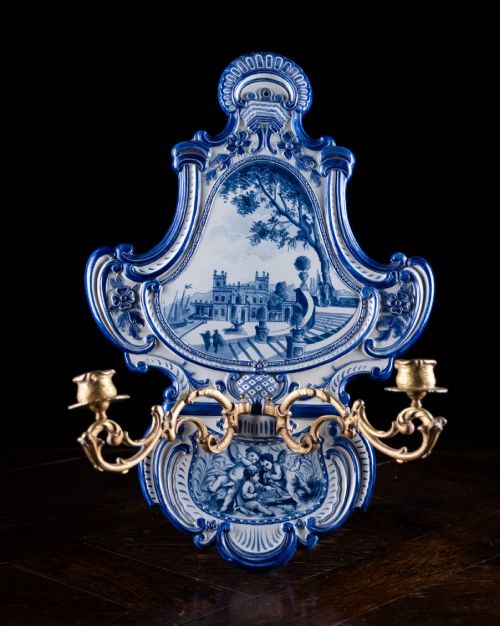
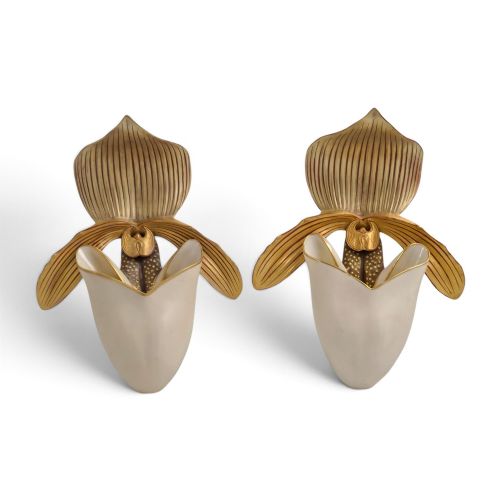
These porcelain wall sconce pieces combine ceramic bodies with metal mounts, offering period illumination and display.
Porcelain Wall Sconce
A porcelain wall sconce brings together glazed ceramic elements and metal mounts to illuminate interiors or display decorative objects. Buyers searching for a porcelain wall sconce encounter wall lights, wall brackets, wall pockets, and candelabra dating from the nineteenth and early twentieth centuries.
The pieces on this page span Victorian, Edwardian, and Art Deco periods, drawing on Rococo Revival, French Chateau, and Aesthetic Movement design traditions. Continental factories produced many of these surviving examples, utilising hand-painted floral motifs, figural cherubs, and moulded scrollwork.
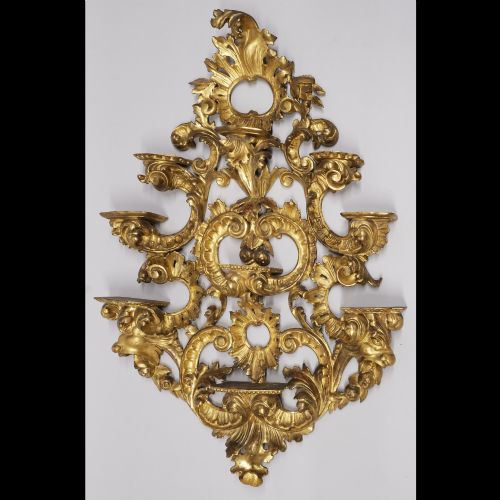
Common forms include single and multi-light sconces alongside wall brackets designed to support small ornaments or plants. Ormolu, gilt bronze, and gilt metal mounts frame the ceramic bodies, securing them to wooden backplates or directly to walls.
Assessing quality and execution
The metalwork provides another clear indicator of standard, where finely chased ormolu mounts demonstrate sharper relief and heavier casting than stamped gilt metal alternatives. Integration between the ceramic body and the metal frame shows the maker's care in assembly and design cohesion.
Porcelain Wall Sconce Retail Price Guide 2026
Typical asking prices for porcelain wall sconce among the pieces listed under this phrase on Sellingantiques today, from the lower quarter to the upper quarter. They describe what is for sale here now, not the wider market.
Listings feature porcelain wall sconces from the Victorian period through the Art Deco era, incorporating ormolu, gilt bronze, and hand-painted enamel details.
Villeroy and Boch·Royal Worcester·Meissen·Sevres·Von Schierholz
The Porcelain Wall Sconce Glossary
- Ormolu
- Finely ground high-carat gold applied to a bronze base using a mercury amalgamation process, or cast brass with a bright gold-coloured finish. This technique adds durable metallic lustre to mounts and decorative frames.
- Parian
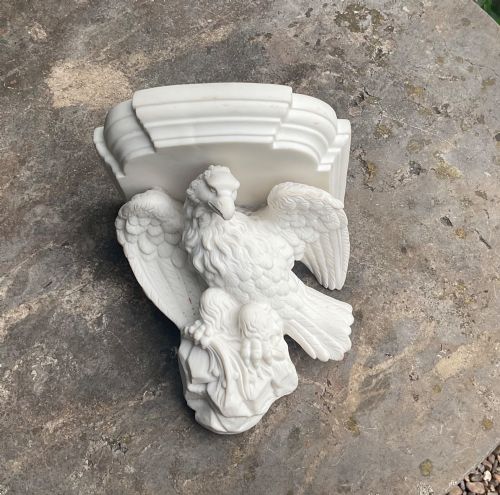
- A fine white bisque porcelain developed in the nineteenth century to imitate carved marble. It possesses a smooth, unglazed surface suited to figural wall brackets and busts.
- Rococo Revival
- A nineteenth-century design style reviving eighteenth-century French motifs such as C-scrolls, asymmetric cartouches, and naturalistic floral sprays. It dominates the decorative vocabulary of many Victorian lighting fixtures.
- Wall Pocket
- A flat-backed ceramic vessel designed to hang flush against a wall for holding dried flowers or small items. These decorative wall vases frequently feature moulded figural or botanical designs.
- Bisque
- Unglazed ceramic fired once to create a porous, matte white surface with a texture resembling marble. It allows fine details in moulded figures and brackets to remain sharp and unsoftened by glaze.
Porcelain Wall Sconce: Frequently Asked Questions
How do I wire an old sconce?
Rewiring requires running modern insulated cable through the original metal arms and backplate channels. A qualified electrician should handle the internal connections to ensure safety compliance while preserving the external period hardware.
Original candle tubes or drip pans often need modification to accommodate modern lamp holders. Take care not to damage fragile porcelain components when tightening mounting screws or securing the fixture to the wall.
Can these hold real candles?
Many surviving sconces were designed for wax candles rather than electricity. Using traditional candles requires monitoring for smoke residue that can discolour delicate glazed porcelain surfaces over time.
Electrified conversions are common and often preferable for daily use. If using wax, select drip-resistant candles to protect the surrounding ormolu mounts and ceramic bodies from difficult cleaning.
What period do these styles reflect?
The pieces on this page primarily reflect nineteenth-century revival styles and early twentieth-century manufacturing. Victorian and Edwardian makers drew heavily on eighteenth-century French Rococo models for their decorative lighting.
Marks, mounting techniques, and ceramic bodies help differentiate nineteenth-century production from later revivals. Stylistic shifts from ornate Victorian excess to cleaner Art Deco lines trace the evolution of domestic interior design.