



Porcelain Table Lamps Pleated
Porcelain table lamps pleated combine centuries-old ceramic vessels with soft fabric shades to bring warm, diffused illumination into a room.
Porcelain Table Lamps Pleated
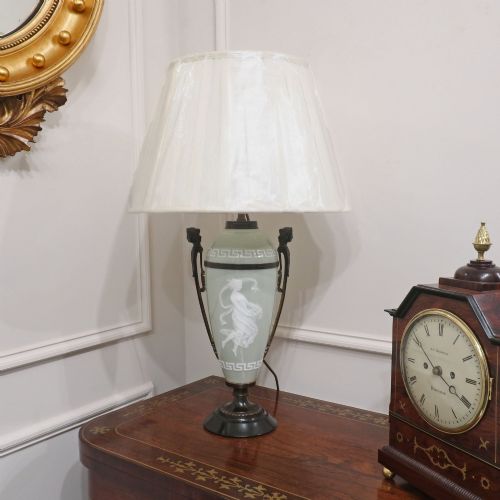
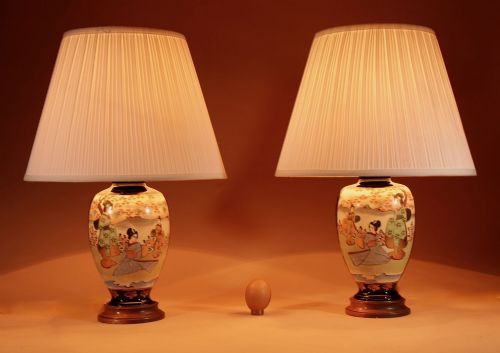
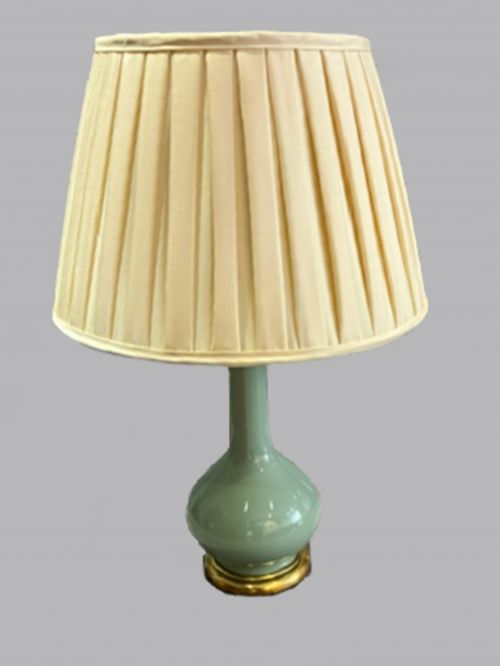
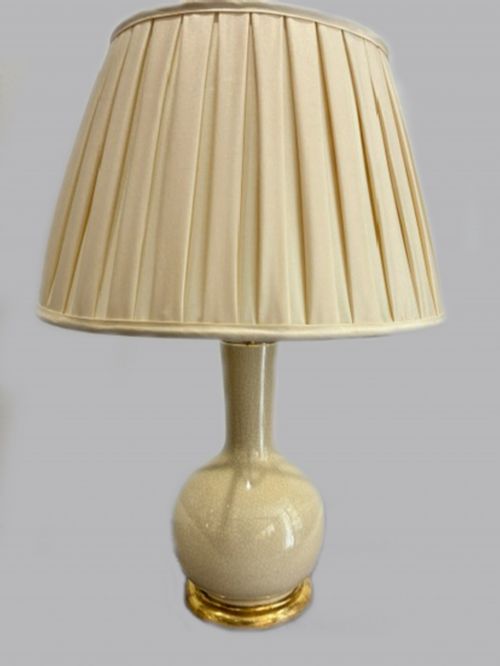
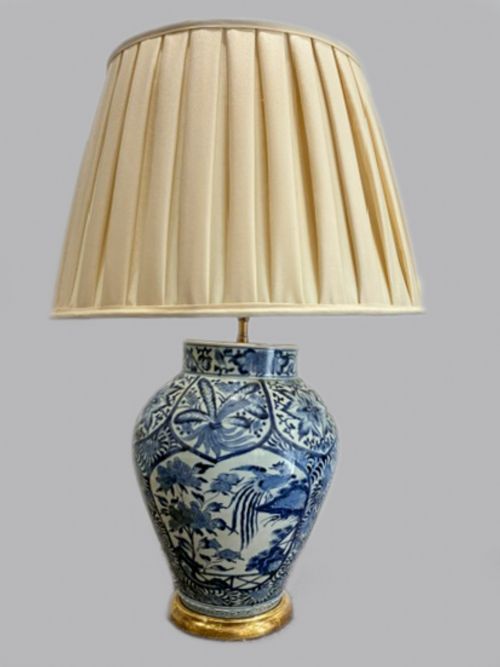
Buyers seeking porcelain table lamps pleated encounter a diverse selection of transformed antique vessels, primarily originating from Chinese, Japanese, and European kilns. These pieces unite historical ceramic bodies, such as ginger jars, lidded vases, and celadon containers, with fabric covers.
The inventory on this page draws heavily from the nineteenth century, alongside examples from the seventeenth, eighteenth, and early twentieth centuries. Many of these lamps began as traditional vases or jars before undergoing conversion into functional lighting.
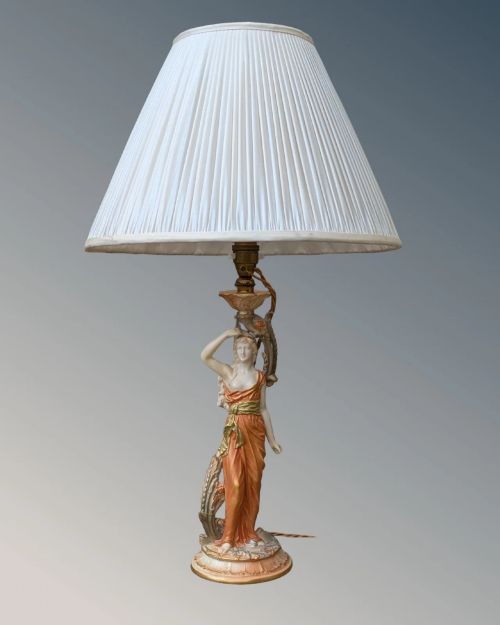
Asian export wares, including Satsuma, blue and white, Famille Verte, and Famille Rose pieces, dominate the forms seen here. European makers are also represented through French, German, and English porcelain designs.
Materials and Construction
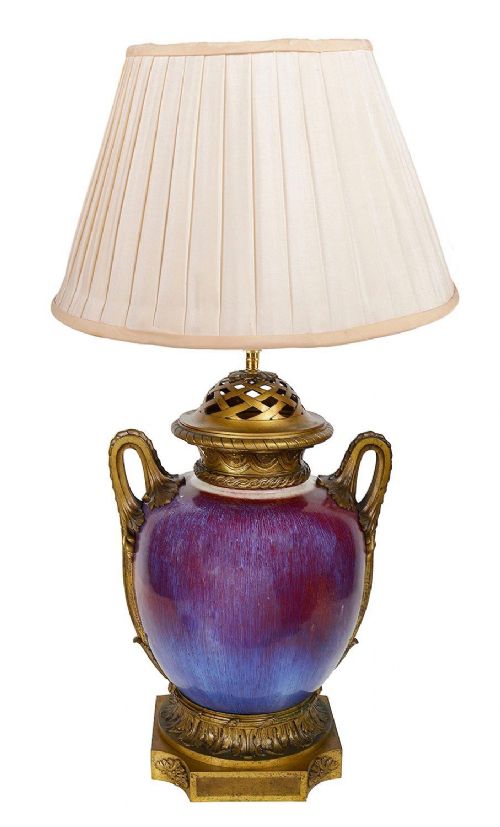
The primary bodies of porcelain table lamps pleated consist of fired ceramic clay, often decorated with hand-painted glazes, crackleware finishes, or pate sur pate techniques. These ceramic vessels are paired with secondary mounting materials such as brass, ormolu, gilt metal, marble, and wood.
Fabric shades, including silk, complete the construction above the ceramic base. Many historical vessels were drilled or fitted with metal mounts to secure electrical or gas hardware while preserving the integrity of the original porcelain.
Periods represented span from the seventeenth century through the Victorian and Edwardian eras.
Distinctions in Execution
Quality in porcelain table lamps pleated rests upon the artistic merit of the ceramic painting and the harmony of the conversion. Finer examples display meticulous hand-painted details, crisp glaze work, and well-balanced proportions between the vase and its mount.
The physical integration of metal fittings, such as ormolu or brass bases and collars, dictates the sophistication of the piece. Superior conversions respect the original antique vessel, mounting it securely without compromising the ceramic body.
Ernst Bohne and Sohn·Royal Worcester·Samson
The Porcelain Table Lamps Pleated Glossary
- Celadon
- A term for pottery bearing a pale green or grey-green glaze. This finish originated in China and was later emulated by European kilns.
- Famille Verte
- A Chinese porcelain palette dominated by green enamel colours. The style developed during the Qing dynasty and depicts floral, figural, or landscape scenes.
- Famille Rose
- A grouping of Chinese porcelain defined by an opaque pink or rose enamel palette. Introduced in the eighteenth century, it allowed for nuanced shading in decorative motifs.
- Ormolu
- Gilt bronze applied to furniture, clocks, and lamp mounts. This decorative technique involves mercury gilding cast bronze fittings.
- Satsuma
- Japanese earthenware originating from Satsuma province. These pieces typically feature a crackled ivory glaze decorated with intricate polychrome and gold designs.
Porcelain Table Lamps Pleated: Frequently Asked Questions
What are porcelain table lamps pleated?
These fixtures consist of antique ceramic vessels, such as vases or ginger jars, that have been converted into domestic lighting. They pair historic hand-painted porcelain bodies with textile shades.
Such lamps bridge decorative art and functional illumination. They allow historical ceramic forms to serve modern interior lighting needs.
How do I identify the period of a lamp?
Dating relies upon examining the ceramic body, glaze characteristics, and any accompanying metal mounts. Stylistic markers point to specific eras like the Qing dynasty or Meiji period.
Signatures, base construction, and the nature of the conversion provide further chronological clues. Expert examination helps distinguish nineteenth-century productions from earlier periods.
Where were these ceramic vases made?
The vessels originate from various global ceramic centres, notably Chinese export kilns, Japanese workshops, and European factories. Each region employed distinct decorative styles and glazing techniques.
Asian wares often feature blue and white, Satsuma, or Famille palettes. European interpretations reflect neoclassical or regional aesthetic movements.
How should I live with antique lamps?
Placing these pieces on stable surfaces allows them to function as focal points in a room. Their textured shades diffuse light softly across surrounding furnishings.
Care involves gentle dusting of the ceramic body and textile shade. Modern electrical components should be checked by a qualified professional to ensure safety.