


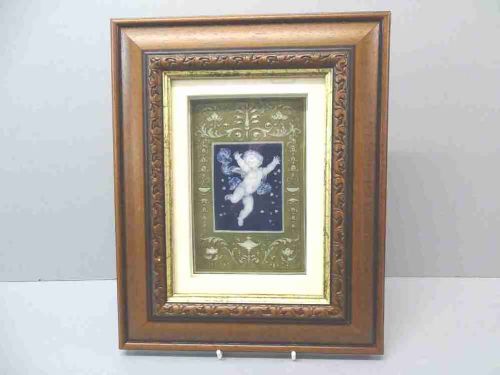


Porcelain Plaque Artwork
Porcelain plaque artwork brings painterly detail and fired permanence to interiors, uniting ceramic form with fine art.
Porcelain Plaque Artwork
Porcelain plaque artwork encompasses painted panels, framed wall plaques and decorative tiles created across the nineteenth and early twentieth centuries. These pieces translate detailed pictorial scenes onto a durable ceramic surface designed specifically for interior display.
Collectors encounter works spanning the Victorian and Edwardian eras alongside Meiji period Japanese examples and Continental factory pieces. Formats range from framed hand-painted panels and tondos to large chargers and decorative wall tiles.
Subjects include natural history studies, figurative scenes and still life compositions rendered in oil, enamel or ceramic pigments. Most pieces incorporate framing in wood, giltwood or wire mounts suitable for hanging.
Materials and construction
Makers utilised fine porcelain bases as a canvas for hand-painted decoration, firing the pigments to achieve a permanent and lustrous finish. Techniques such as pate sur pate built up relief designs in white slip on a coloured ground.
Frames and mounts employ materials like giltwood, gold leaf and glass to protect and display the ceramic panels. Metal wire and wooden backing structures provide the necessary support for wall mounting these heavy items.
Porcelain Plaque Artwork Retail Price Guide 2026
Typical asking prices for porcelain plaque artwork among the pieces listed under this phrase on Sellingantiques today, from the lower quarter to the upper quarter. They describe what is for sale here now, not the wider market.
Young boys eating fruit share shelf space with a kiss of the wave and tree bark cloisonne.
Distinguishing quality
The sophistication of the painting technique separates standard commercial production from master works by known artists and premier factories. Finer pieces demonstrate meticulous brushwork, subtle colour shading and secure firing without surface distortion.
The preservation of the original giltwood frame and the clarity of factory marks or artist signatures add significantly to a piece. Condition encompasses both the integrity of the porcelain panel and the stability of any applied enamel or oil paint layers.
James Stinton·Royal Worcester·KPM·William Rayworth·Mintons·Birks
The Porcelain Plaque Artwork Glossary
- Pate sur pate
- A French ceramic technique meaning paste on paste, where successive layers of liquid white porcelain slip are built up on a contrasting body to create a cameo relief effect.
- Tondo
- A circular work of art, typically a painting or relief sculpture, used in these listings for round ceramic plaques.
- Cloisonne
- Enamelling technique where thin metal wires form compartments on a base to hold coloured pastes before firing.
- Charger
- A large decorative plate or plaque intended for display on a wall or sideboard rather than for dining use.
Porcelain Plaque Artwork: Frequently Asked Questions
How were porcelain plaques displayed?
These pieces were generally fitted into custom wooden frames or giltwood mounts for hanging directly on interior walls.
Some larger chargers and panels also utilised wire supports or specialised stands for surface display on furniture.
Are these pieces hand painted?
Many examples feature detailed hand painting by skilled artists working for major European and British ceramic manufacturers.
Signatures or factory marks on the reverse often record the maker or specific decorator involved in the production.
What periods do these pieces date from?
The selection spans the nineteenth century through the early twentieth century, taking in the Victorian and Edwardian eras.
Meiji period Japanese works from the late nineteenth century also appear alongside European factory output.
How do I care for a porcelain plaque?
Keep the panels away from direct sunlight to protect painted pigment surfaces and delicate enamel colours over time.
Dust gently with a soft dry cloth and check that any hanging wire or wooden framing remains secure.