

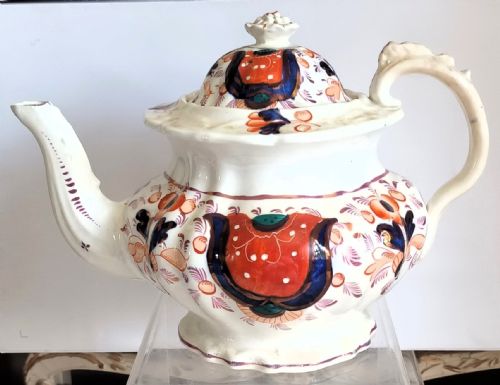


Porcelain Lustreware
Porcelain lustreware pieces bring shimmering metallic iridescence and imaginative mythological scenes into the home through glazed ceramic vessels.
Porcelain Lustreware
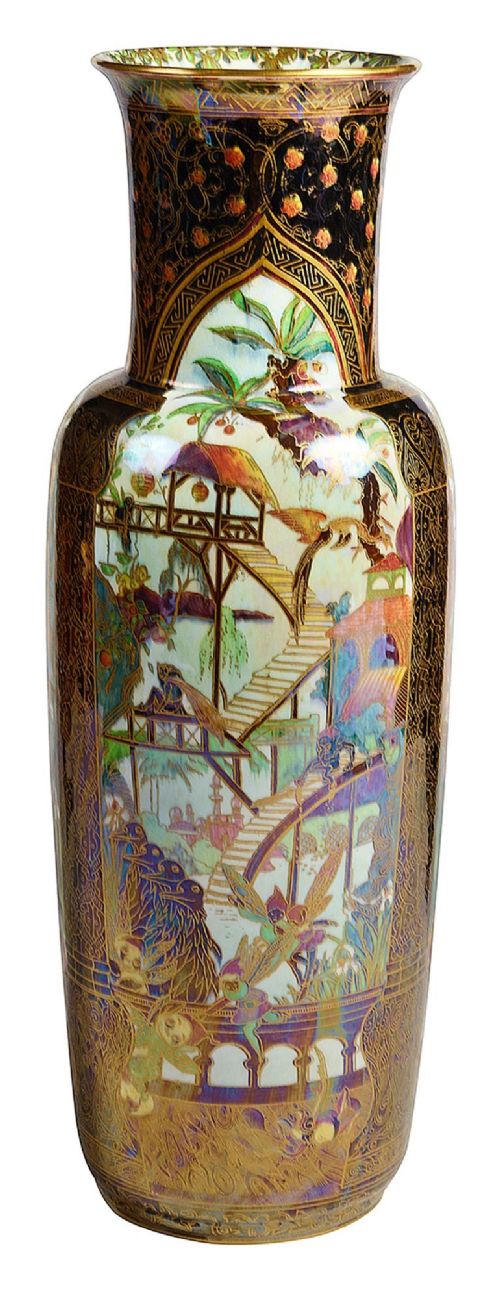
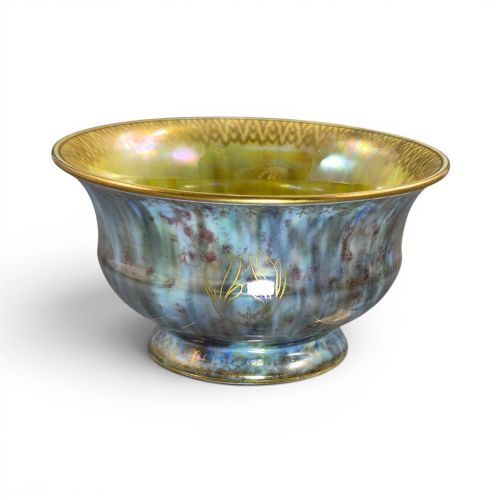
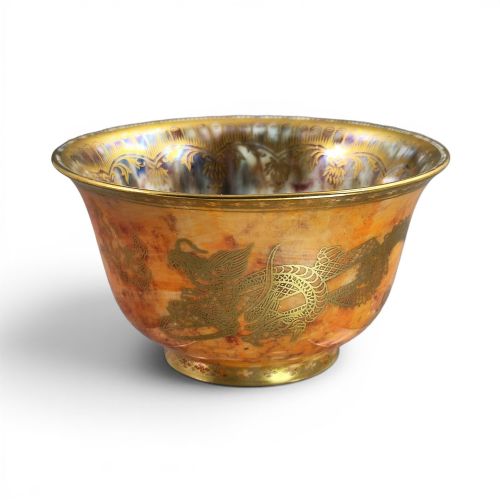
Porcelain lustreware encompasses decorative bowls, vases, jugs, and teapots produced across the nineteenth and early twentieth centuries, spanning the Victorian, Edwardian, and Art Deco periods. Buyers searching for porcelain lustreware frequently encounter elaborate bowls and vases featuring intricate oriental or fairy designs.
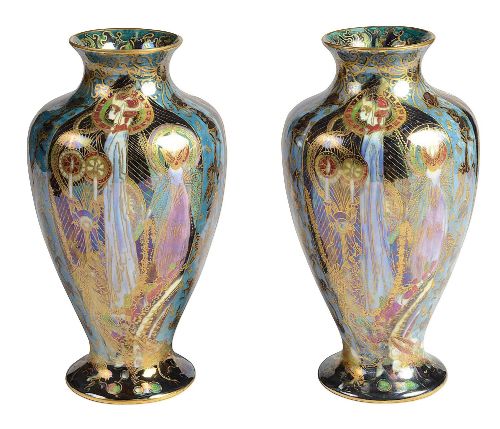
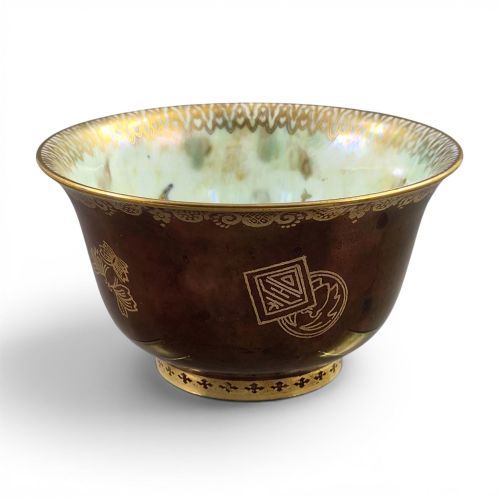
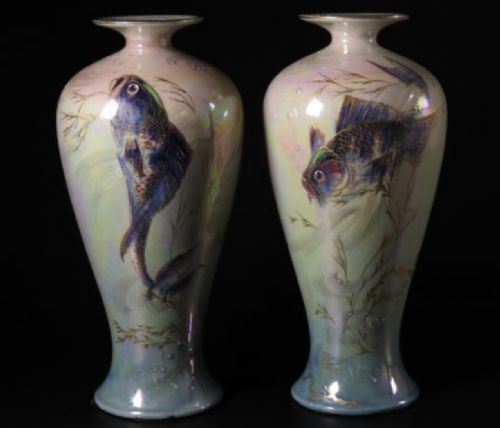
The selection here draws heavily from Edwardian and 1920s output, showing significant contributions from major factories using bone china, earthenware, and standard ceramic bodies. Common forms include large octagonal bowls, baluster vases, and miniature cups decorated with motifs such as dragons, butterflies, and fish.
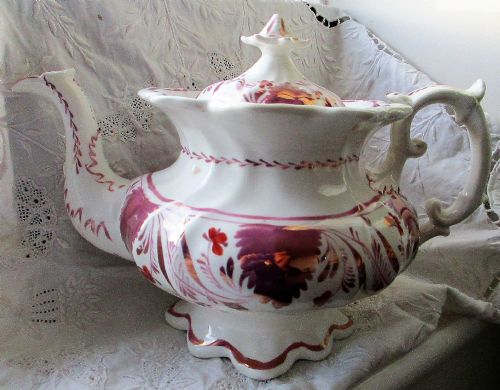
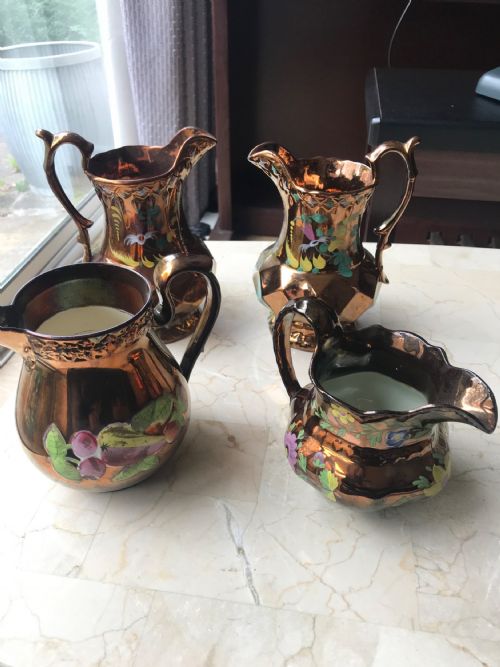
Pieces range from Georgian and Victorian earthenware milk jugs with copper lustre to intricate twentieth-century art pottery and tableware. Decorative vessels often display distinct stylistic shifts from floral and fruit motifs towards mythological subjects and geometric Art Deco treatments.
Materials and Glazing Techniques
Maker operations combined traditional ceramic bodies such as porcelain, bone china, and earthenware with specialised metallic lustre glazes. Artisans applied gold leaf, gilt, and colourful enamel pigments over fired ceramic surfaces to create reflective, iridescent finishes.
The glazing process required multiple firings to bond the metallic oxides and gold details securely to the underlying ceramic body. Hand decoration ensured that subjects like dragons, fish, and botanical patterns gained distinct depth and sheen.
Porcelain Lustreware Retail Price Guide 2026
Typical asking prices for porcelain lustreware among the pieces listed under this phrase on Sellingantiques today, from the lower quarter to the upper quarter. They describe what is for sale here now, not the wider market.
Listings span the nineteenth and twentieth centuries, incorporating Victorian, Edwardian, and Art Deco styles across porcelain, bone china, and earthenware bodies.
Gradations in Craftsmanship
Quality differences stem primarily from the complexity of the painted design and the precision of the metallic lustre application. Elaborate pictorial subjects requiring extensive hand enamelling and heavy gilding demonstrate superior artistic execution compared to standard commercial wares.
The depth of the glaze and the clarity of the printed or hand-painted transfer details influence overall visual appeal. Highly detailed works featuring integrated narrative scenes display greater technical mastery by the studio.
Wedgwood·Shelley·Minton
The Porcelain Lustreware Glossary
- Lustre Glaze
- A type of ceramic glaze containing metallic salts that produce an iridescent, metallic sheen upon firing. This technique creates the distinctive reflective surface characteristic of the style.
- Bone China
- A type of soft-paste porcelain composed of bone ash, feldspar material, and kaolin. It provides a strong, translucent white body suitable for delicate vessel forms.
- Baluster Vase
- A decorative vase shape featuring a rounded body that tapers towards the base and neck. This traditional form is frequently utilised for displaying elaborate surface patterns.
- Earthenware
- Porous pottery fired at lower temperatures than porcelain and typically covered in an opaque glaze. It serves as a common foundational material for many nineteenth-century jugs and teapots.
- Gilt
- A thin layer of gold applied to the surface of ceramic objects for ornamentation. It highlights rims, handles, and specific design elements within the glaze.
Porcelain Lustreware: Frequently Asked Questions
What is porcelain lustreware?
Porcelain lustreware consists of ceramic vessels finished with metallic glazes that produce an iridescent, reflective surface. These pieces often feature vibrant hand-painted enamels and intricate decorative motifs.
Production flourished during the Edwardian era and the 1920s, resulting in distinctive bowls, vases, and tea wares that combine traditional pottery techniques with shimmering surface effects.
How should lustreware be cleaned?
Cleaning requires gentle dusting with a soft, dry cloth to protect the delicate metallic glaze and surface gilding. Submerging these antique pieces in water or using harsh detergents can damage the enamel.
Displaying vessels away from direct sunlight helps preserve the vivid colours and metallic sheen of the original glaze over time.
How do I identify Edwardian lustre pieces?
Edwardian and early twentieth-century examples often bear specific backstamps or pattern numbers associated with prominent potteries of the period. Stylistic clues include fantastical creatures, oriental motifs, and rich colour palettes.
Forms from this era frequently encompass octagonal bowls and baluster vases decorated by notable designers working within major English factories.
What motifs appear on lustre pottery?
Common subjects include mythological creatures such as dragons, phoenixes, and fairies, alongside natural elements like butterflies, fish, and fruit. Designers utilised these imaginative themes to create rich narrative scenes.
Geometric patterns and stylised florals also emerge in pieces transitioning towards later decorative art styles.