





Porcelain Jar Light
These porcelain jar light examples transform antique ginger jars and vases into striking table lamps.
Porcelain Jar Light
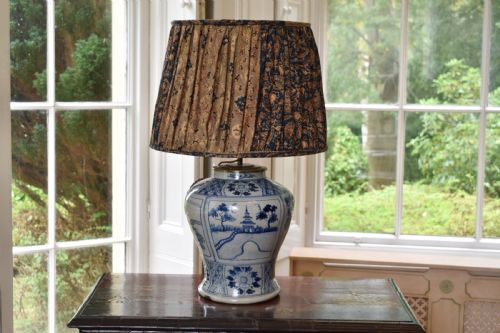
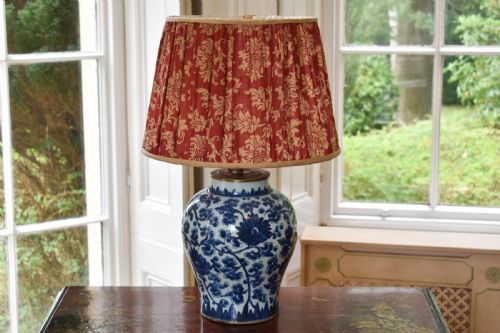
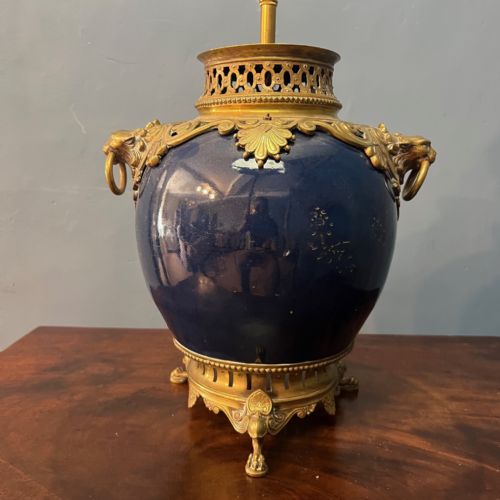
A porcelain jar light merges traditional ceramic vessel forms with modern electrical illumination to create distinctive table lamps. Buyers seeking a porcelain jar light will most commonly encounter nineteenth century Chinese blue and white ginger jars or celadon vases adapted for domestic lighting.
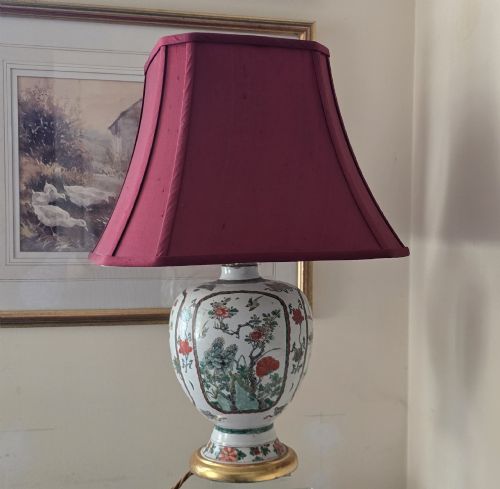
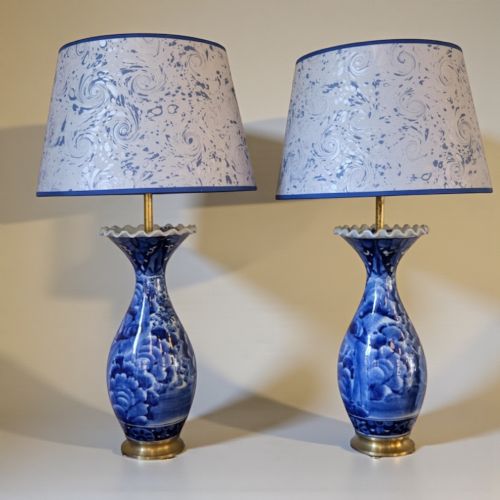
The inventory on this page spans from eighteenth century Japanese Arita pieces up to twentieth century Paris porcelain creations in the Qianlong style. Many examples arrive as matched pairs, featuring classic Orientalist palettes including Famille Verte, Famille Rose, and Imari patterns.
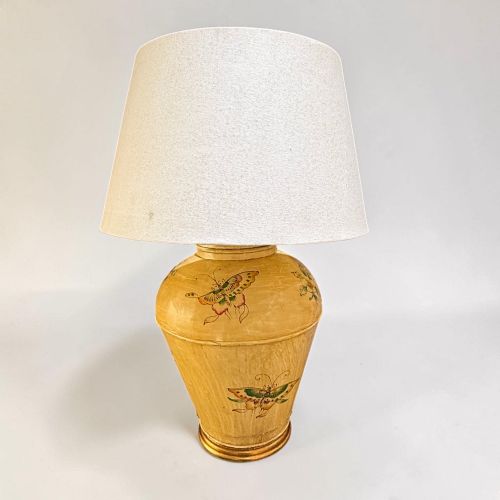
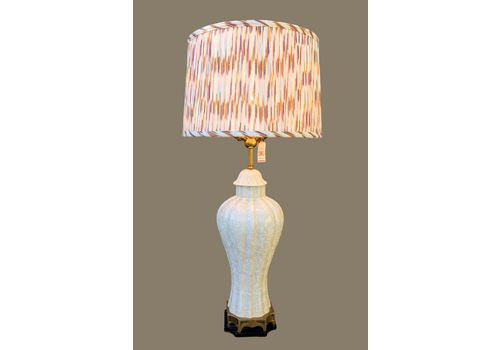
Vessels range from standard ginger jar silhouettes to spill vases and lidded jars mounted on bases. Each piece preserves the hand-painted motifs of its original period while serving as a functional table lamp.
How They Were Made
Potters shaped these porcelain bodies by hand before applying intricate underglaze blue and polychrome enamels, often incorporating delicate crackleware glazes. Artisans then fitted brass, ormolu, and metal mounts to secure the electrical hardware.
Many of these adapted lamps integrate fabric and silk shades supported by wooden bases or gilding accents. The craftsmanship combines eastern ceramic traditions with nineteenth century European lighting adaptations.
Porcelain Jar Light Retail Price Guide 2026
Typical asking prices for porcelain jar light among the pieces listed under this phrase on Sellingantiques today, from the lower quarter to the upper quarter. They describe what is for sale here now, not the wider market.
Materials recorded across these listings include porcelain, brass, fabric, wood, silk, gilding, metal, and ormolu.
What Varies in Quality
The distinction between tiers rests upon the crispness of the hand-painted decoration and the richness of the porcelain body. Superior examples display finely rendered prunus blossoms or intricate figures without blurring in the cobalt or enamel pigments.
Mounting quality also dictates the grade of the piece, where heavy brass or chased ormolu mounts elevate the status of the vessel. The harmony between the original ceramic form and the subsequent lamp conversion determines the overall success of the object.
The Porcelain Jar Light Glossary
- Ginger Jar
- A high-shouldered ceramic vessel originally used for storing spices and salt. These jars form the primary body for many porcelain jar light conversions.
- Famille Rose
- A palette of Chinese porcelain enamels dominated by opaque pink or rose colours introduced during the Qing Dynasty. This decorative style appears frequently across nineteenth century lamp conversions.
- Imari
- A traditional Japanese style of porcelain featuring underglaze blue and overglaze red, gold, and other colours. These vibrant wares originated in Arita and translate distinctively into table lamps.
- Ormolu
- Gilded bronze mounts applied to furniture and decorative objects in European interiors. Several nineteenth century pieces utilise these decorative metal collars.
- Celadon
- A pale green glaze resembling jade, developed in China centuries ago. Celadon vases provide a serene, tactile surface for lighting.
Porcelain Jar Light: Frequently Asked Questions
Are these lamps converted from old vases?
Most of these pieces started life as nineteenth century Chinese or Japanese porcelain vases and ginger jars before being wired for electricity. Artisans adapted the ceramic bodies to function as table lamps while retaining the original hand-painted surfaces.
This conversion process preserves the historic character of the vessel while integrating modern electrical components suitable for contemporary interior spaces.
How do I identify a ginger jar lamp?
Ginger jars typically feature a broad, rounded shoulder tapering gently towards the base with a short neck, often accompanied by a fitted lid. When electrified, these proportions create a stable and balanced profile for a table lamp.
Makers frequently use these specific jar shapes because their decorative panels display motifs like prunus blossom and figurative scenes clearly.
What periods do these porcelain lamps cover?
The selection spans primarily from the eighteenth century through to the early twentieth century, incorporating Qing Dynasty aesthetics and later European interpretations. Pieces frequently date from the nineteenth century, including Meiji and Edo period Japanese examples alongside Chinese export wares.
Paris porcelain interpretations from the early twentieth century also appear, reflecting a sustained European appreciation for Eastern ceramic styles.
How should I place a pair of jar lamps?
Matched pairs offer symmetrical balance when placed on large sideboards, bedside tables, or mantlepieces in a living room. Their substantial porcelain bodies provide a strong focal point in a room without overwhelming surrounding furniture.
Ensuring adequate clearance for the fabric or silk shades allows the hand-painted blue and white or polychrome details to remain fully visible.