






Porcelain Girl Figurine
These delicate porcelain girl figurine examples range from eighteenth century figures to art deco powder boxes, capturing youthful grace across eras.
Porcelain Girl Figurine
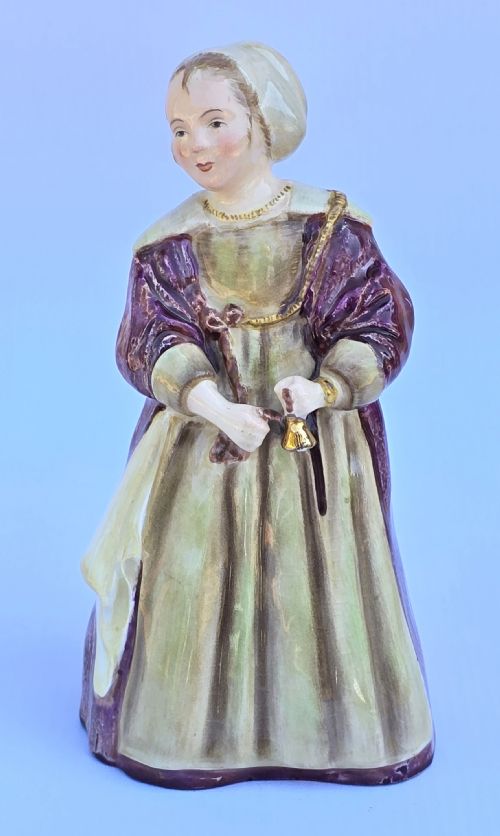
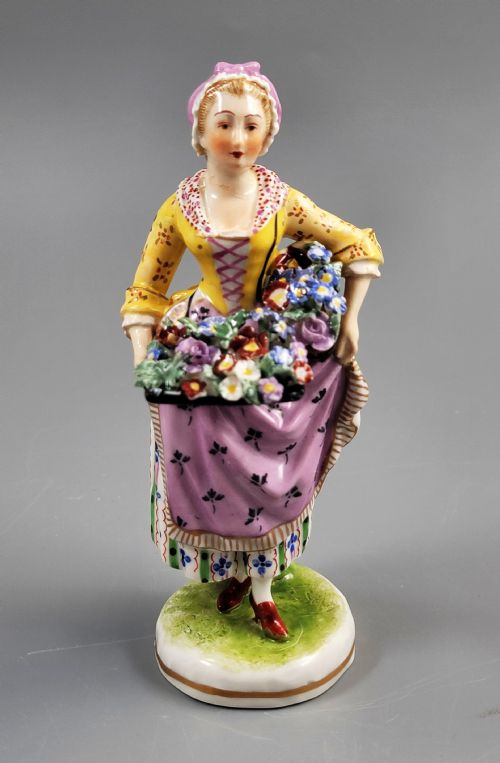
A porcelain girl figurine captures youthful subjects in ceramic form, taking shapes that span from eighteenth century pastoral groups to art deco flapper powder boxes. The pieces in this selection include nineteenth century chambersticks, dresser trinket containers, and large decorative sculptures.
Buyers encounter notable nineteenth century works alongside twentieth century editions, recording subjects like flower sellers, wool spinners, and dancers. These objects function simultaneously as cabinet pieces and practical vanity items such as hatpin holders and cigarette strikers.
How They Were Made
Manufacturers utilised hard-paste porcelain and ceramic bodies, shaping them through detailed moulding before applying lead or tin glazes. Artisans enhanced the surfaces using hand-painted enamel colours alongside touches of gold leaf and gilt work.
Parian bisque compositions appear without glaze to mimic marble, while other workshops combined ceramic moulding with fabric or specialised container bases for functional vanity accessories.
The listings combine eighteenth century Meissen figures with art deco powder boxes from the 1930s, alongside Victorian Parian bisque and glazed porcelain.
What Varies in Quality
The sophistication of the underlying factory modelling determines distinction, where renowned European potteries achieved anatomical balance and fluid drapery that lesser workshops missed.
James Hadley·Fasold & Stauch·Meissen·Minton·Wedgwood and Co. Ltd·Freda Doughty·Dressel, Kister & Cie·Royal Dux·Ernst Bohne & Söhne·Helena Wolfsohn·Ernst Wahliss
The Porcelain Girl Figurine Glossary
- Bisque
- Unglazed porcelain with a matte, marble-like texture. It results from a single firing that leaves the ceramic surface porous and white.
- Half Doll
- A ceramic upper torso without legs, manufactured primarily for dressing or mounting onto powder boxes and pincushions. These pieces dominate the art deco selection.
- Hard-paste
- A dense, durable ceramic composition fired at high temperatures. It resists scratching and holds sharp moulded details exceptionally well.
- Parian
- A fine white unglazed porcelain developed to imitate marble. It gained popularity during the Victorian era for sculptural figures.
Porcelain Girl Figurine: Frequently Asked Questions
How are porcelain girl figurines dated?
Makers' marks stamped or painted on the underside provide the primary clue for dating European ceramics. Stylistic shifts, such as the transition from rococo curves to geometric art deco lines, also help determine the period.
Examiners look at the type of glaze and the method of hand-painting to separate eighteenth century pieces from later nineteenth and twentieth century reproductions.
What were half dolls used for?
Half dolls served as decorative lids and toppers for vanity items like powder boxes, perfume burners, and pincushions. Dressmakers and home sewers added fabric skirts to complete the figure.
They became immensely popular during the art deco period, sitting atop dressing tables across Europe.
What is the difference between bisque and glazed porcelain?
Bisque porcelain is fired without a glassy outer coating, leaving a matte, porous finish that resembles carved marble. Glazed porcelain receives a liquid glass layer before a final high-temperature firing, producing a shiny, sealed surface.
Both finishes appear on nineteenth and twentieth century figures depending on the intended aesthetic.
How do I care for antique porcelain figures?
Keep these delicate objects away from direct sunlight to prevent the hand-painted enamel colours from fading over time. Dust them gently with a soft, dry brush rather than using wet cloths.
Avoid displaying them near high-traffic edges where accidental knocks might damage fragile appendages like fingers or flower petals.