





Porcelain Cherub Figure
A porcelain cherub figure captures youthful wings and classical charm, bringing sculptural grace and 18th-century spirit to a room.
Porcelain Cherub Figure
A porcelain cherub figure embodies the playful putti and allegorical winged infants popularised during the 18th century and reproduced through the Victorian and Edwardian eras. Buyers seek these sculptural works to add classical charm and decorative character to mantlepieces and side tables.
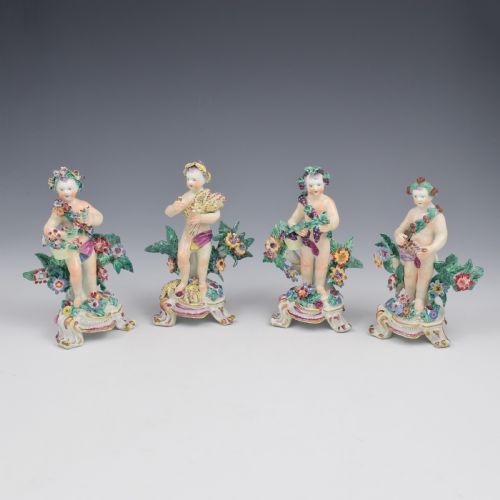
The selections on this page span Georgian origins from factories such as Bow and Derby, alongside continental works from Meissen, Sitzendorf, and Volkstedt. Figurines often appear singly or as matched sets representing the seasons or elements, sometimes integrated into candlesticks or clocks.
How they were made
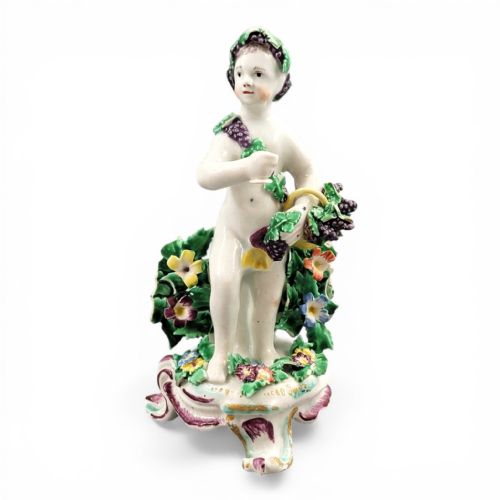
Makers utilised soft-paste or hard-paste porcelain, shaping the clay through press-moulding or meticulous hand-modelling before firing at high temperatures. Artisans then applied enamel paints, gold leaf, and glossy glaze to accentuate the delicate contours of wings, drapery, and floral garlands.
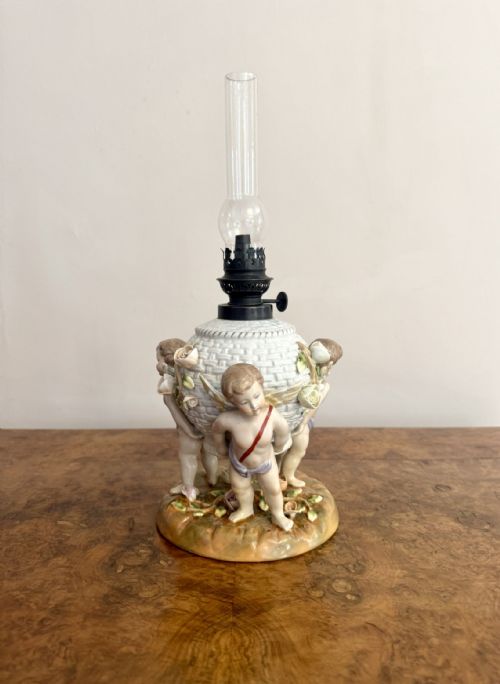
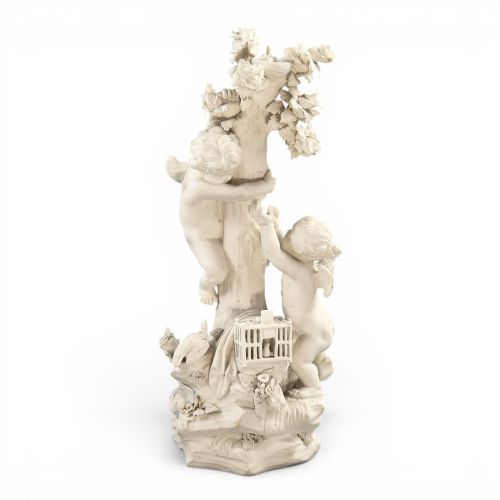
Gilt bronze mounts frequently complement the ceramic bodies in French mantle clocks and oil lamps, merging metalwork with porcelain sculpture. Biscuit porcelain, left unglazed to resemble carved marble, appears in specific Georgian and Edwardian figures.
Porcelain Cherub Figure Retail Price Guide 2026
Typical asking prices for porcelain cherub figure among the pieces listed under this phrase on Sellingantiques today, from the lower quarter to the upper quarter. They describe what is for sale here now, not the wider market.
Some cherubs hold tricorn hats or hide as cupids in disguise, proving that even mythological infants enjoyed a spot of dressing up.
What varies in quality
The refinement of the modelling dictates the upper tier of these sculptures, where expressive faces and intricately sculpted feather details distinguish master modellers from routine production pieces. Crispness in the gilding and subtlety in hand-painted enamel colours elevate a piece above standard factory output.
Early Georgian and 18th-century Meissen examples demonstrate superior sculptural depth and historical significance compared to later continental revivals. The preservation of fine extremities, such as fingers and floral appliques, marks the distinction between well-kept specimens and heavily restored examples.
Sitzendorf·Derby·Bow·Royal Dux Bohemia·Meissen·Chelsea·Royal Worcester·Minton·Volkstedt·Triebner, ENS & Eckert·Royal Doulton
The Porcelain Cherub Figure Glossary
- Putto
- A plump, naked winged infant figure frequently depicted in classical art and porcelain sculpture. These figures serve as allegorical representations of seasons, elements, or affections.
- Soft-Paste Porcelain
- An artificial ceramic composition developed in Europe prior to the discovery of true hard-paste porcelain. It yields a warm, slightly translucent body well suited to early figures.
- Biscuit Porcelain
- Unglazed ceramic fired to a matte, porous finish that resembles white marble. This technique highlights the crisp details achieved by modellers.
- Gilding
- The application of gold leaf or powdered gold to ceramic surfaces for decorative enhancement. It often outlines garments, bases, and candle sockets.
- Sweetmeat Figure
- A decorative porcelain vessel or figurine designed to hold small confections or sweetmeats on a dining table. They frequently incorporate cherubs supporting bowls or baskets.
Porcelain Cherub Figure: Frequently Asked Questions
What is a cherub figure used for?
These figures functioned primarily as decorative ornaments for mantlepieces, side tables, and cabinet displays in wealthy households. Many examples integrated practical functions, serving as candlesticks, oil lamps, clock cases, or sweetmeat dishes for dining.
Over time, collectors moved these sculptural pieces into dedicated display settings to appreciate their artistic and historical merit. They continue to serve as focal points in period interiors and curated ceramic collections.
How do I date an antique cherub?
Dating relies on identifying factory marks stamped or painted on the base, stylistic cues from periods like the Georgian or Edwardian eras, and the specific clay composition. Examining the palette of the enamel colours and the crispness of the gilding also aids in determining the approximate decade of manufacture.
Early 18th-century works from factories like Meissen or Bow exhibit distinct paste characteristics and hand-modelled nuances that separate them from later 19th-century continental copies. Comparing known model numbers and modellers' signatures provides further chronological clarity.
Where were these porcelain figures made?
Production centred in major European ceramic hubs, notably Meissen in Germany and Bow and Chelsea in England. Later 19th-century manufacturing expanded across continental factories in Germany, France, and Bohemia.
German workshops in Thuringia, including Volkstedt and Sitzendorf, produced substantial quantities of figurative porcelain during the Victorian period. French makers combined porcelain bodies with gilt bronze mounts, particularly for clocks and lamps.
How should I display porcelain figures?
Display these delicate sculptures in stable, enclosed cabinets or on secure mantel shelves away from high-traffic areas and direct sunlight. Protecting them from accidental knocks preserves fragile extremities like outstretched fingers, wings, and applied floral details.
Keep pieces away from sources of extreme heat or humidity to protect the integrity of the glaze, enamel paints, and any applied gold leaf. Routine dusting with a soft, dry brush maintains the surface without risking moisture damage.