



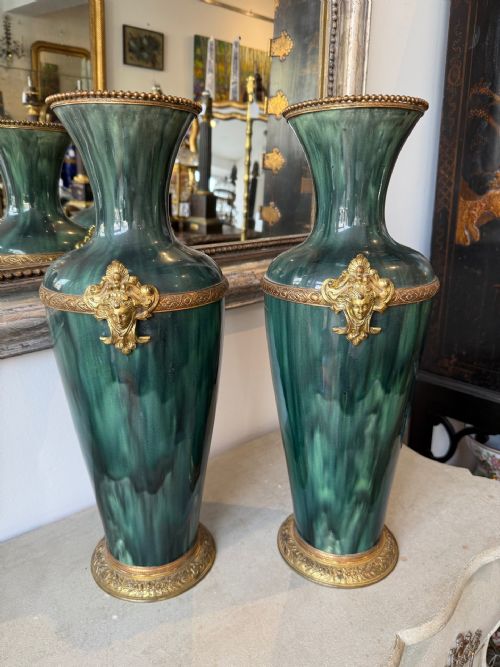


Porcelain Bronze Vase
A porcelain bronze vase combines glazed ceramic bodies with cast metal mounts to create decorative objects that command attention on any surface.
Porcelain Bronze Vase
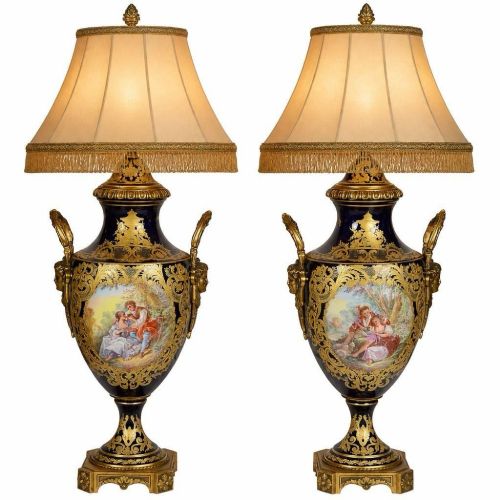
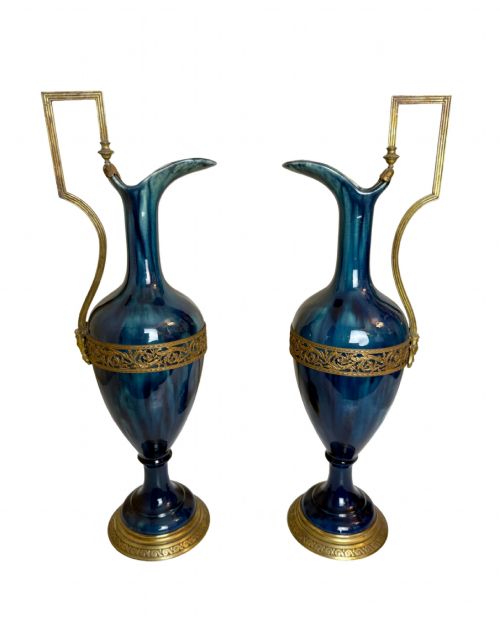
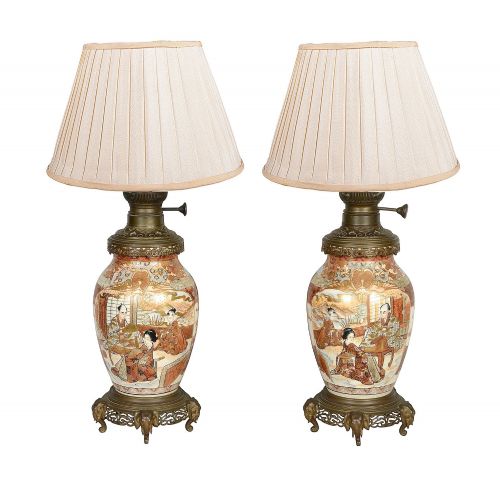
When you search for a porcelain bronze vase, you encounter works that merge ceramic vessel production with metal smithing. The selection on this page centres heavily on nineteenth century European interpretations alongside Chinese export wares.
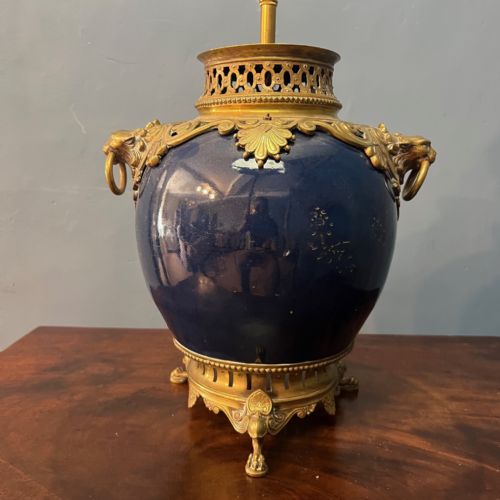
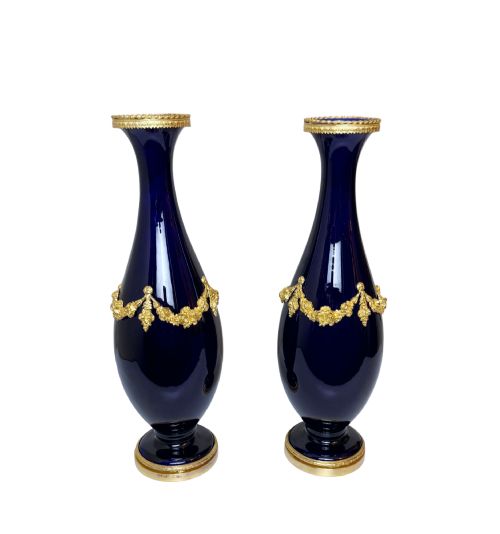
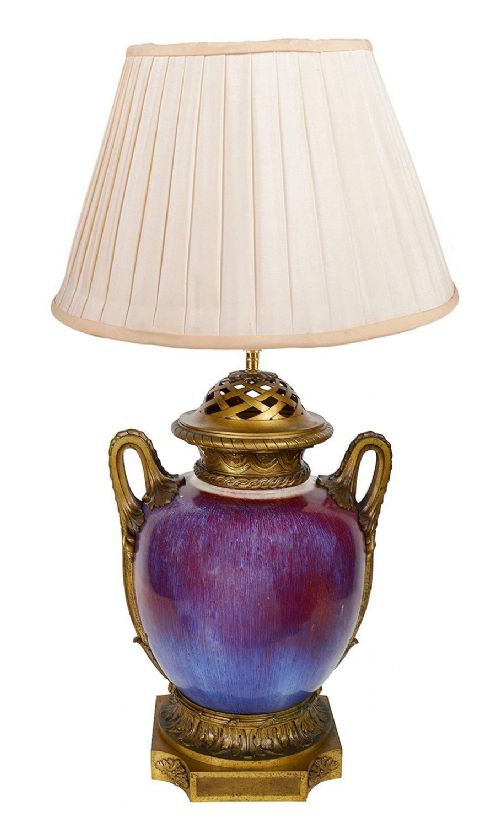
Most examples take the form of lidded urns, ginger jars, or vessels subsequently converted into table lamps. Makers incorporated blue glazes, celadon, powder blue, and sang de boeuf porcelain bodies into structured metal mounts.
French neoclassical and rococo revival styles dominate the European pieces, often utilising handles, bases, and rims cast in ornate gilt bronze or ormolu. Alongside these stand Asian ceramics fitted with European metal mounts during the nineteenth century.
Materials and Construction
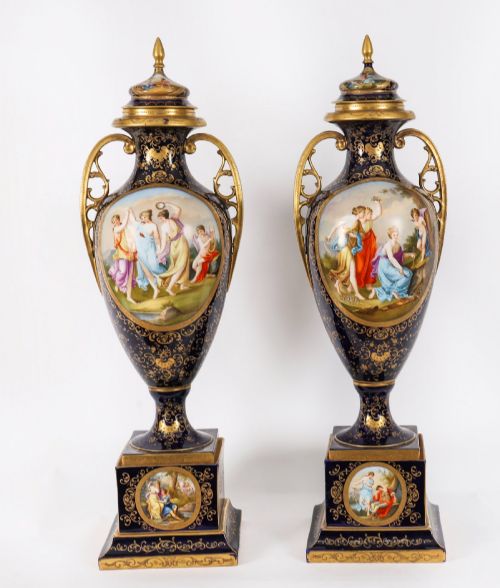
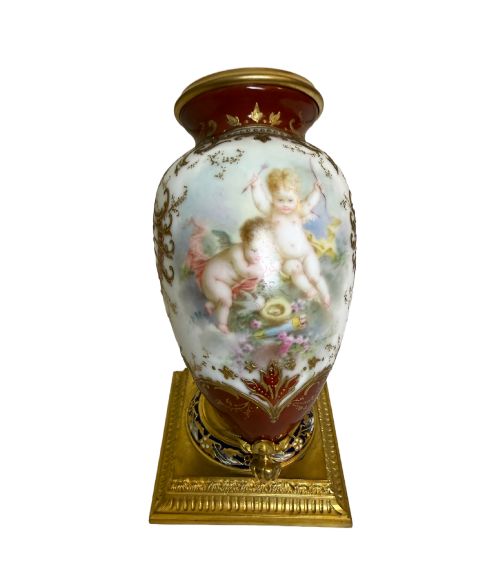
Potters shaped the ceramic bodies using traditional wheel throwing or mould casting techniques before applying coloured glazes, enamel, or hand painted panels such as pate sur pate. Firing at high temperatures produced durable stoneware and porcelain foundations.
Metalworkers then cast bronze, brass, or gilt metal components to embrace the ceramic contours. These mounts were secured with pins, nuts, or adhesives, occasionally masking hairline cracks or rim chips sustained during the initial ceramic firing.
Porcelain Bronze Vase Retail Price Guide 2026
Typical asking prices for porcelain bronze vase among the pieces listed under this phrase on Sellingantiques today, from the lower quarter to the upper quarter. They describe what is for sale here now, not the wider market.
Several vases were originally filled with dried rose petals and spices to perfume nineteenth century drawing rooms before later acquiring electricity.
Distinctions in Quality
The precision of the bronze chasing separates standard mounts from superior examples. Master metalworkers hand chiselled cast bronze details to achieve crisp acanthus leaves and scrollwork, whereas lesser pieces show soft, blurred casting lines.
The harmony between the ceramic vessel and its metal mount dictates the overall success of the piece. Top tier examples feature mounts custom designed for the specific porcelain body, while lower quality items utilise generic mounts that obscure the proportions of the vase.
Paul Dachsel·Meissen·Sevres
The Porcelain Bronze Vase Glossary
- Ormolu
- Gilt bronze mounts used extensively on nineteenth century French decorative arts. This technique involved applying a mercury and gold amalgam to cast bronze before heating to vaporise the mercury, leaving a durable golden finish.
- Celadon
- A ceramic glaze denoting a pale green or grey green colour resembling jade. Originating in China, this glaze type appears on various vessels mounted in bronze during the nineteenth century.
- Pate sur pate
- A method of ceramic decoration where successive layers of liquid porcelain slip are applied to a dark body to build up a low relief cameo effect. It requires immense skill from the ceramic artist.
- Garniture
- A set of three or more matching vases or decorative urns designed to be displayed together on a mantelpiece or sideboard. They often comprise a central taller lidded vase flanked by smaller matching vessels.
- Sang de bouf
- Ox blood glaze characterised by a rich, deep red colour with mottled variations. This copper based glaze demands precise kiln temperature control to achieve its distinctive tones.
Porcelain Bronze Vase: Frequently Asked Questions
What is a porcelain bronze vase?
A porcelain bronze vase is a decorative vessel that pairs a ceramic body with cast bronze, ormolu, or gilt metal mounts. These pieces range from European porcelain factory productions to Asian export ceramics fitted with western metalwork.
Many of these objects functioned originally as decorative urns or potpourri containers before being adapted later as table lamps or candelabra. The combination of glazed ceramic and chased metal created opulent display items popular during the Victorian and nineteenth century periods.
Are these pieces electrified?
Numerous pieces on this marketplace page have been converted into table lamps through the addition of electrical fittings. This conversion frequently occurred during the twentieth century to give antique vessels a practical domestic function.
Some conversions utilised drilled holes through the base or ceramic body to pass wiring, while others ran cords externally over the ormolu mounts. Buyers should inspect the wiring status of any lamp conversion before connecting it to a power supply.
How do you date a porcelain bronze vase?
Dating relies on examining the style of the ceramic body, the manufacturing marks, and the quality of the bronze mounts. French neoclassical and rococo revival designs typically point to the nineteenth century, while factory marks on the base can pinpoint specific decades of production.
The construction of the metal mounts and the fastening screws also provide clues, as machine threaded screws and modern adhesives indicate later interventions or twentieth century assembly.