

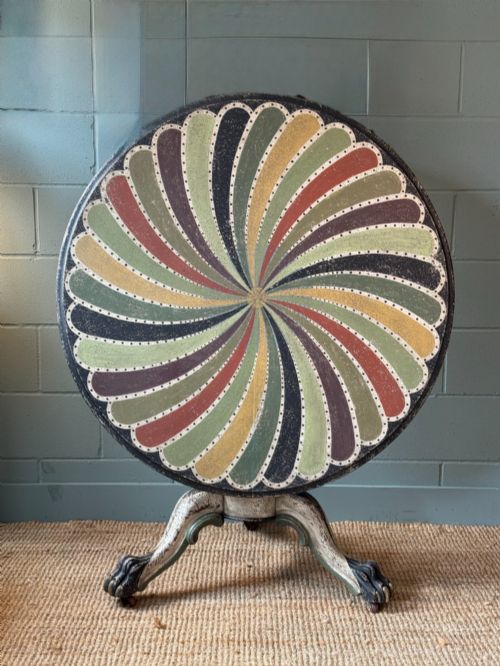


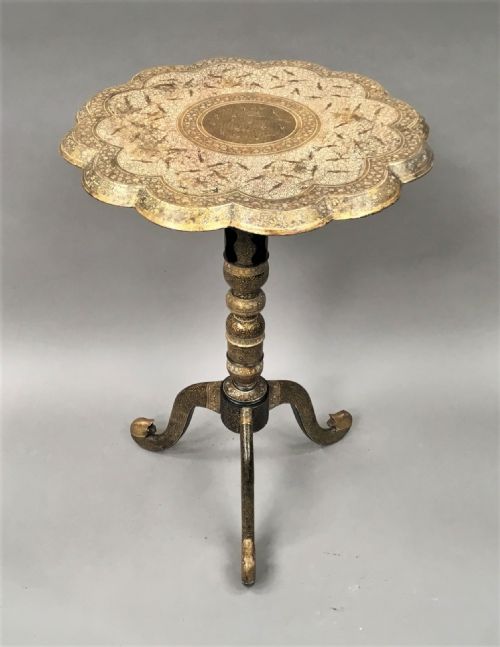
Polychrome Wood Table
A polychrome wood table brings vibrant hand-painted colour and carved detail into a room, offering a decorative surface steeped in global artisan traditions.
Polychrome Wood Table
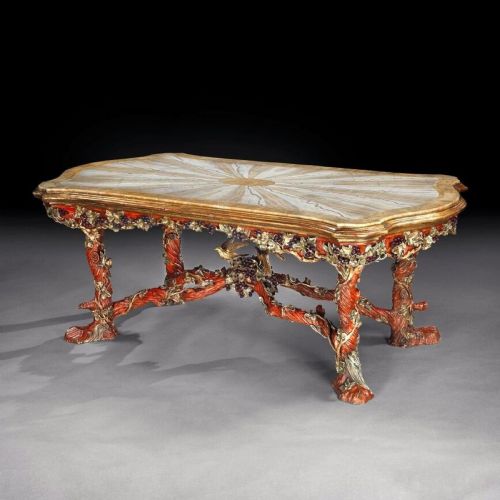
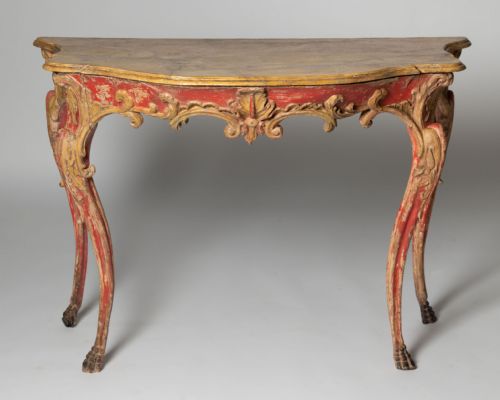
When you search for a polychrome wood table, you encounter an eclectic mix of styles spanning the eighteenth, nineteenth, and early twentieth centuries. These pieces range from Venetian console and centre tables to intricately detailed Anglo-Indian, Kashmiri, and Black Forest designs.
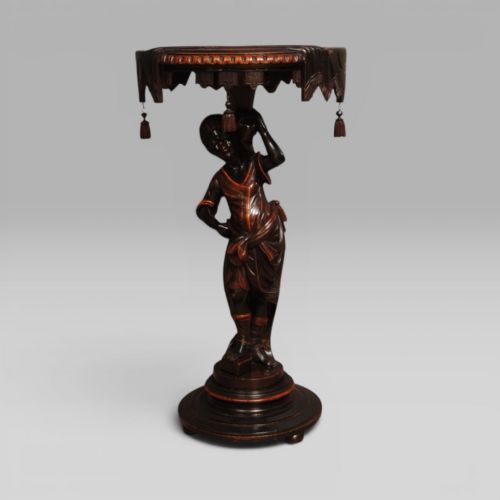
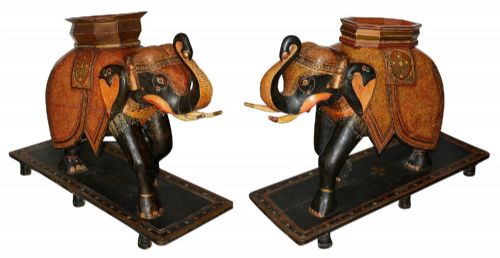
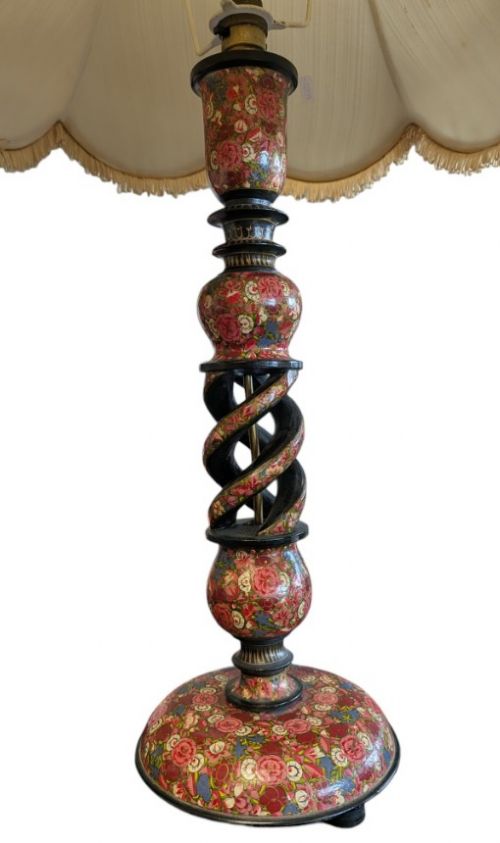
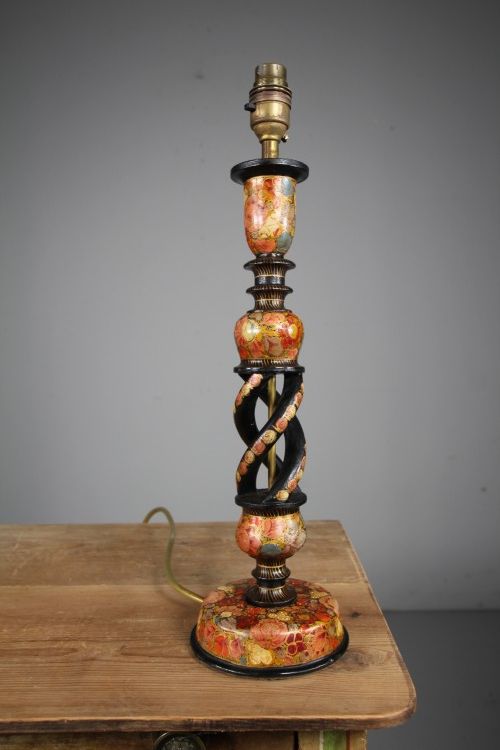
The version you are most likely to meet on this page is a nineteenth-century occasional table, side table, or figural stand featuring painted and gilt surfaces. These tables often combine carved timber frames with floral, figural, or peacock motifs.
Origins stretch across Europe and Asia, uniting Italian baroque revivals with Kashmiri lacquerwork and Anglo-Indian hardwood construction. Each piece serves as both a functional piece of furniture and a sculptural work of art.
How they were made
Maker's workshops built these tables using various timbers such as hardwood, limewood, satinwood, and padouk, which were then carved by hand. Artisans shaped structural elements and decorative reliefs directly into the wood before applying surface ornament.
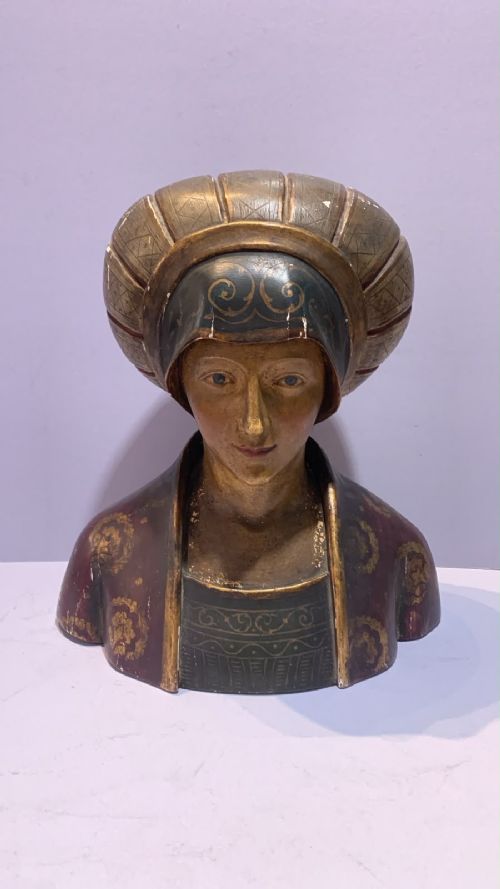
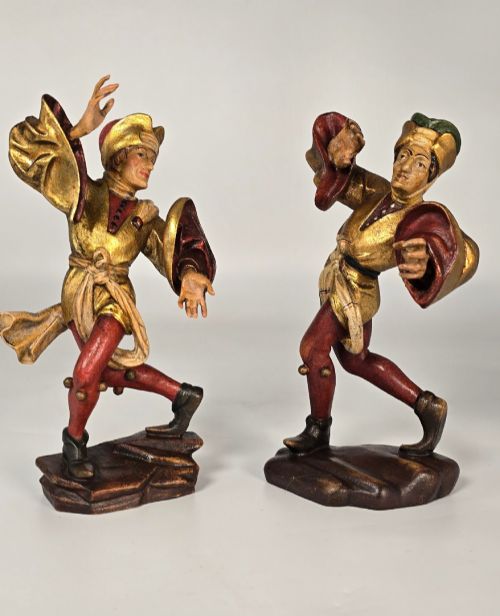
Painters and gilders decorated the timber using polychrome paint, lacquer, gesso, and gold leaf. Many surfaces received detailed brushwork or inlaid metal elements like copper, creating rich textures and luminous colour contrasts.
Polychrome Wood Table Retail Price Guide 2026
Typical asking prices for polychrome wood table among the pieces listed under this phrase on Sellingantiques today, from the lower quarter to the upper quarter. They describe what is for sale here now, not the wider market.
Listings feature 18th to 20th century pieces, uniting European carved wood and Asian lacquerwork.
What varies in quality
Quality in a polychrome wood table rests upon the precision of the hand-carving and the execution of the painted surface. Superior examples display crisp detail in the wooden figures or floral reliefs, with pigment and gold leaf applied by skilled hands rather than generic stencils.
The harmony between the structural woodwork and the decorative finish dictates the piece's standing. Tables that retain their original layered paintwork and integrated stone or timber tops demonstrate a higher grade of craftsmanship than those with heavy later repainting.
Amleto Bertoni·Ralph Wood
The Polychrome Wood Table Glossary
- Polychrome
- Decorated in a variety of colours. This technique brings painted scenes, floral patterns, or figures to life across the wooden surface.
- Gesso
- A plaster-like mixture applied to wood as a base for paint or gold leaf. It provides a smooth ground for intricate decorative work.
- Gilt
- Covered thinly with gold leaf or gold paint. It adds reflective highlights to carved wooden details and figural stands.
- Tilt top table
- A table with a hinged top that can be folded vertical when not in use. This practical form saved space in historic interiors.
- Blackamoor
- A decorative sculptural figure, often serving as a table base or stand. These nineteenth-century pieces typically feature carved and polychromed figures in exotic attire.
Polychrome Wood Table: Frequently Asked Questions
How do I care for a painted wooden surface?
Protect the hand-painted and gilded finishes by keeping the table away from direct sunlight and steady moisture. Dust gently with a dry, soft cloth and avoid modern chemical cleaners that might lift the old paint or gold leaf.
Maintaining a stable room temperature prevents the underlying timber from expanding and cracking the historic gesso and pigment above.
Are these tables suitable for daily use?
Many of these tables function well as side tables or lamp stands in modern rooms. Their decorated surfaces add character to a corner, though historic painted finishes require a gentle touch during everyday use.
Placing coasters or protective pads on the top helps preserve the delicate lacquer and polychrome artwork from accidental wear.
How can I tell the age of the paintwork?
Examining the surface closely reveals the natural ageing of pigments, lacquer, and gesso over the decades. Fine craquelure and subtle wear patterns usually indicate authentic nineteenth-century or earlier application.
Contrasting this with the timber underneath helps determine whether the polychrome decoration is original to the piece or a later addition.