




Polychrome Table Lamp
A polychrome table lamp brings vibrant colour and pattern into a room, combining painted ceramics or enamels with practical illumination.
Polychrome Table Lamp
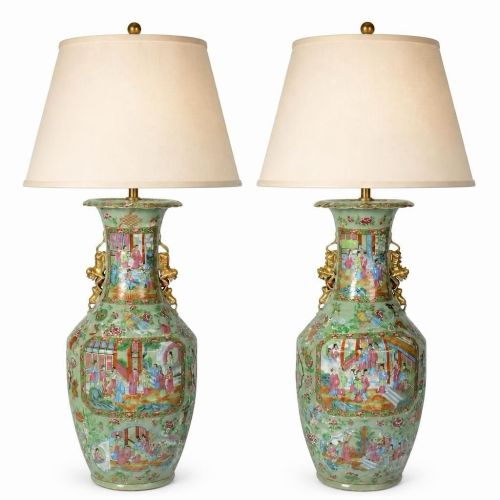
These pieces encompass decorative light fittings fashioned from painted, glazed, or enamelled vessels, predominantly originating from Asian and European workshops during the nineteenth and early twentieth centuries. A buyer searching for a polychrome table lamp encounters numerous conversions from earlier ceramic forms, notably Chinese export porcelain vases, ginger jars, and Japanese Satsuma wares fitted for electricity.
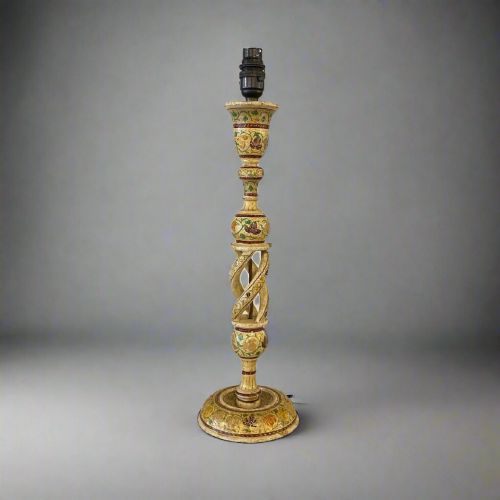
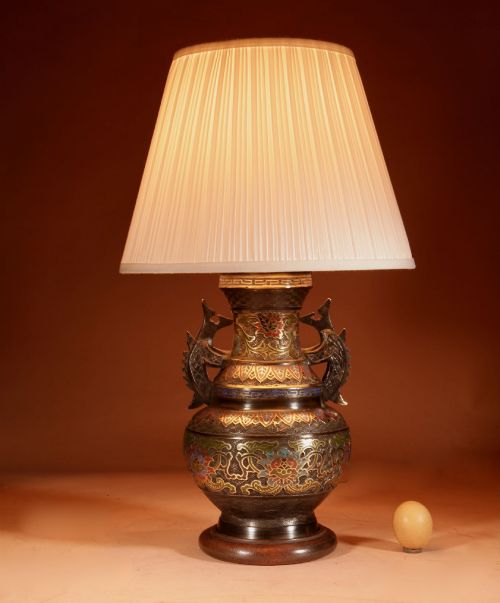
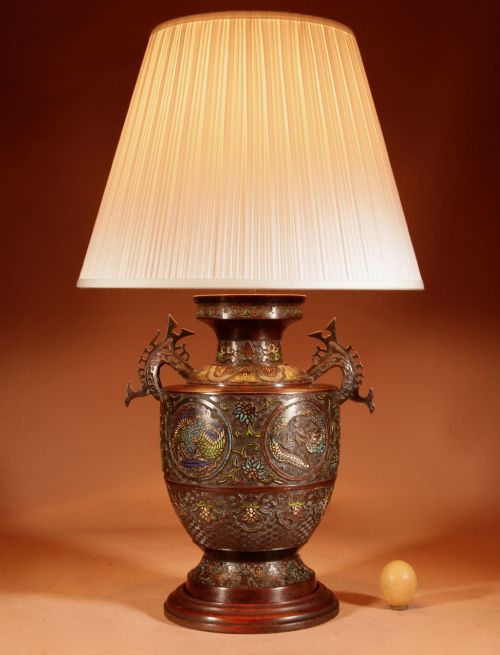
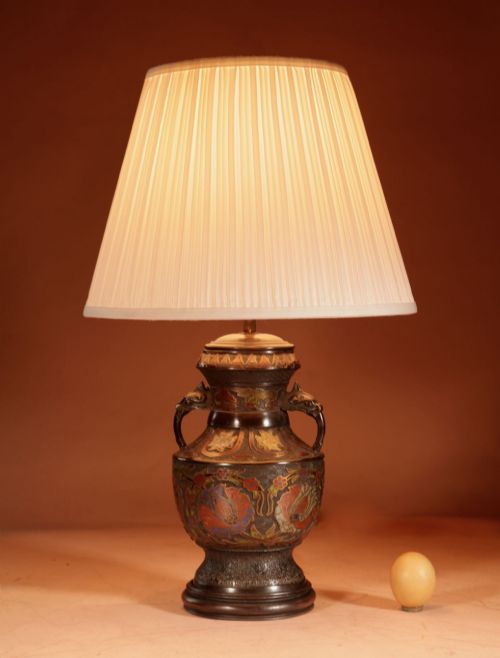
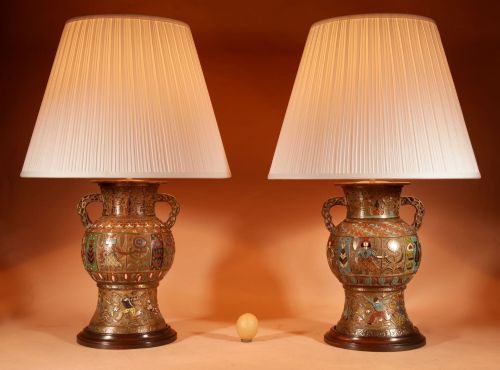
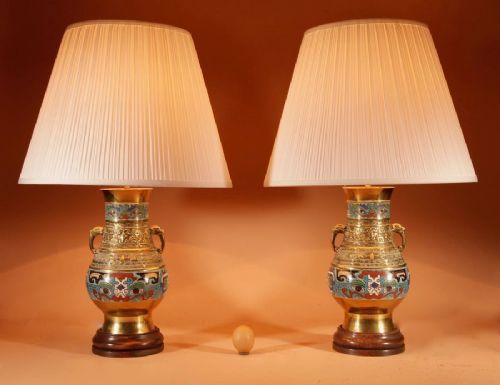
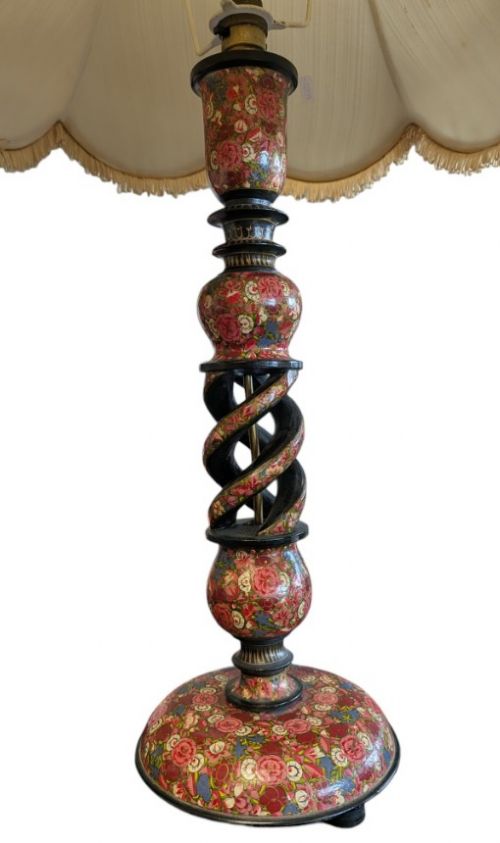
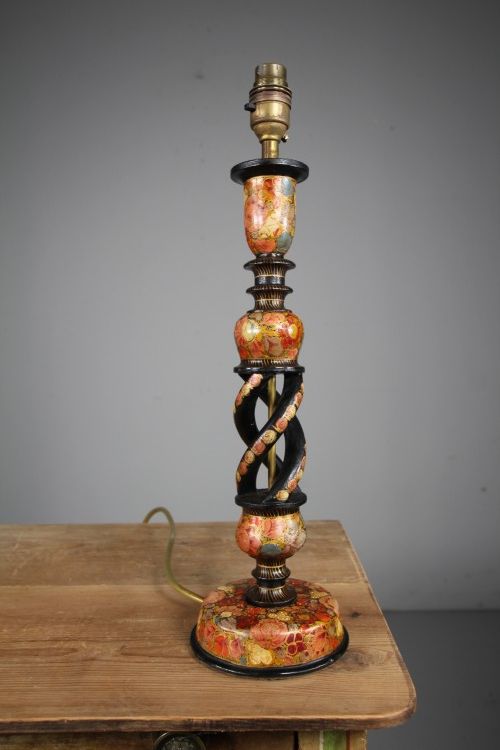
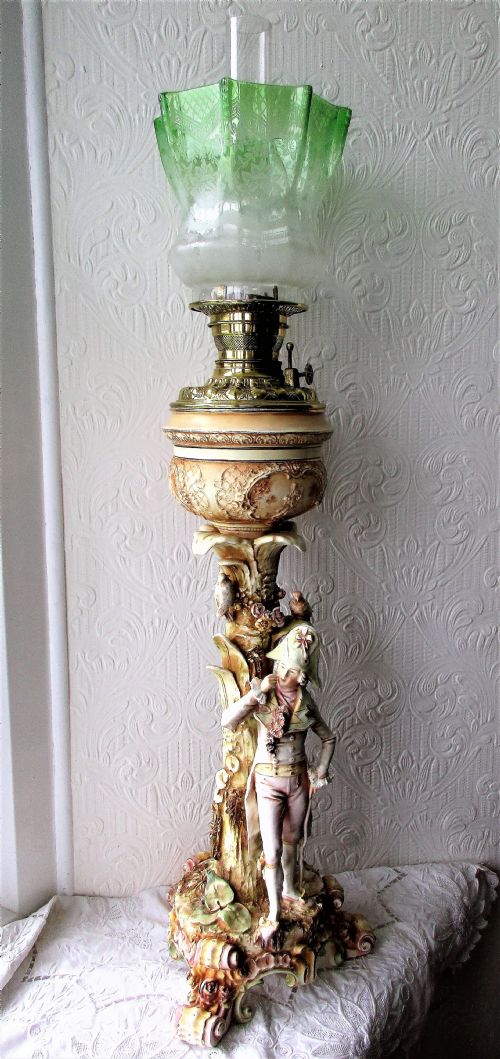
The selection ranges from Victorian figural oil lamps and Kashmiri painted wood designs to French Art Deco veilleuses and grand Japanese champlevé bronze pairs. Chinese Famille Rose and Rose Medallion patterns dominate the selection, bringing intricate floral palettes and figural scenes directly onto baluster vases and octagonal vessels adapted into lamps.
Vessels from the Qing Dynasty and Japanese Meiji period form the core of these offerings, often paired with brass mounts or fabric shades. Buyers also find occasional intersections with European production, such as Samson porcelain creations mirroring earlier Asian styles.
Materials and construction
Makers utilised high-fired porcelain and earthenware as foundations, applying multi-coloured overglaze enamels, hand-painted pigments, and cold-painted bronze to achieve rich surface decoration. Champlevé enamel techniques on brass and bronze provide textured metallic frameworks filled with coloured vitreous pastes, particularly visible in Japanese examples from the late nineteenth and early twentieth centuries.
Polychrome Table Lamp Retail Price Guide 2026
Typical asking prices for polychrome table lamp among the pieces listed under this phrase on Sellingantiques today, from the lower quarter to the upper quarter. They describe what is for sale here now, not the wider market.
Elephants occasionally support entire lighting arrangements, proving that nineteenth-century ceramicists understood the theatrical value of a pachyderm base.
Evaluating quality and execution
The distinction between standard and exceptional pieces rests upon the crispness of the hand-painted detail and the harmony of the palette. Superior polychrome table lamps display finely delineated brushwork in enamels and underglazes, where intricate floral bands and figural motifs remain sharp and deliberate rather than heavy or hurried.
The integration of metal mounts and the preservation of the original ceramic or bronze body dictate overall desirability. Pieces retaining uncompromised enamel work alongside period brass components or signed bronze castings command greater attention from collectors.
Franz Bergman·Samson
The Polychrome Table Lamp Glossary
- Famille Rose
- A palette of Chinese porcelain enamels dominated by opaque pink or rose colours, introduced during the Qing Dynasty. It allowed for subtle gradations of tone in floral and figural designs.
- Champlevé
- An enamelling technique where troughs or cells are hollowed out in a metal surface and filled with vitreous enamel before firing. Japanese and European makers utilised this method to create intricate, patterned metallic bodies.
- Satsuma
- A type of Japanese earthenware featuring a crackled ivory glaze decorated with polychrome enamels and gilt. These wares were frequently exported and later converted into prominent table lamps.
- Rose Medallion
- A distinct style of Canton porcelain featuring panels of alternating figures and birds or flowers, surrounded by dense green and gold motifs. It forms a substantial portion of nineteenth-century lamp conversions.
- Veilleuse
- A small French night light or food warmer originating in the nineteenth and early twentieth centuries. They often comprise fitted ceramic sections adapted for low-intensity illumination.
Polychrome Table Lamp: Frequently Asked Questions
What is a polychrome table lamp?
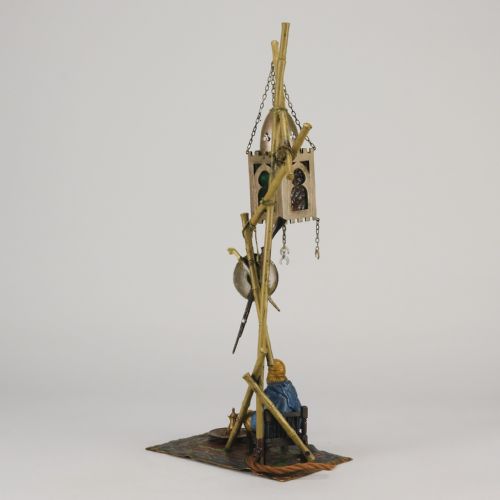
A polychrome table lamp is a lighting fixture created by mounting a decorative painted, glazed, or enamelled vessel onto a base with electrical wiring. These pieces often utilise antique vases, ginger jars, or bronze figures from the nineteenth and early twentieth centuries.
They serve as both functional illumination and decorative centrepieces, bringing varied colour palettes and cultural motifs into domestic interiors.
How do I identify Chinese Famille Rose lamps?
Famille Rose lamps feature distinct porcelain decoration characterised by a prominent pink or rose enamel colour, usually combined with opaque greens, yellows, and blues. The designs typically display complex floral arrangements, butterflies, and figural scenes.
These pieces most commonly originate from nineteenth-century production and Canton export wares, often fitted with later brass mounts for electrical use.
Were these lamps originally made as lighting?
Many of these pieces began life as decorative vessels, such as Chinese baluster vases, ginger jars, or Japanese Satsuma urns, rather than lamps. Artisans later converted them by drilling the base or adding fitted brass mounts to accommodate electrical wiring.
Some exceptions exist, such as Victorian oil lamps or French veilleuses, which were constructed specifically to burn fuel or hold a light source from the outset.
How do I care for antique ceramic lamps?
Care requires gentle dusting with a soft, dry cloth to protect delicate overglaze enamels and hand-painted pigments. Avoid harsh chemical cleaners or abrasive materials that can wear away historic painted surfaces.
Wiring should be checked periodically by a qualified professional to ensure safety, particularly on older brass and bronze fittings from the nineteenth century.