



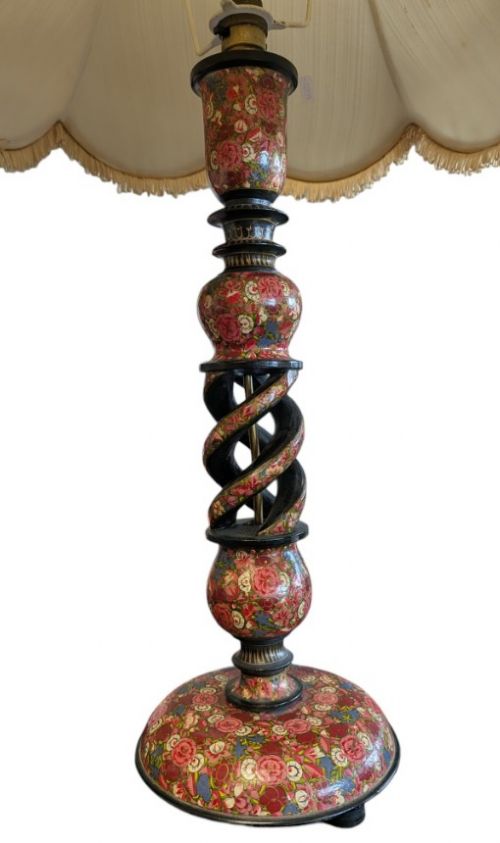

Polychrome Lighting
Polychrome lighting brings painted colour and metallic leaf to domestic illumination through chandeliers, wall sconces and table lamps.
Polychrome Lighting
When you search for polychrome lighting, you encounter pieces that rely on painted surfaces, enamel and gilding to bring colour directly into functional illumination. The selection spans centuries of domestic lighting, from 18th century porcelain candle holders to 1930s wrought iron chandeliers.
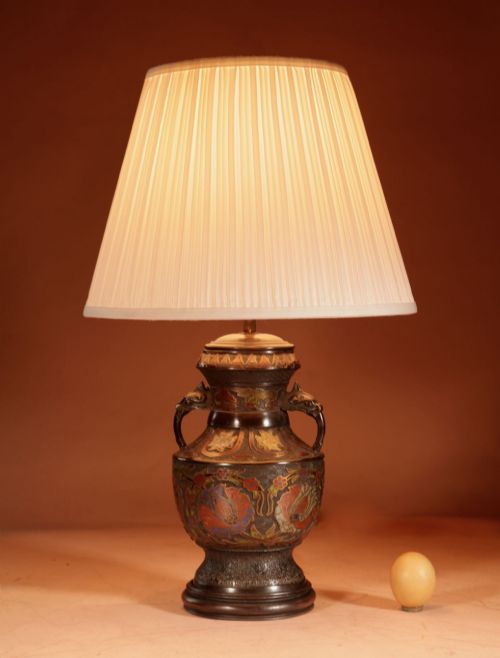
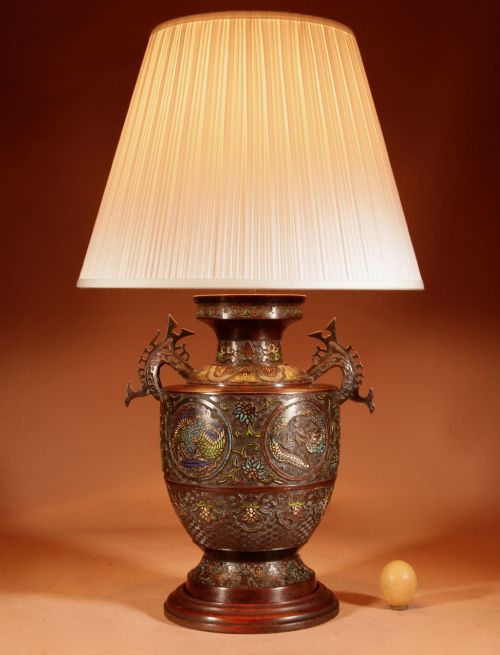
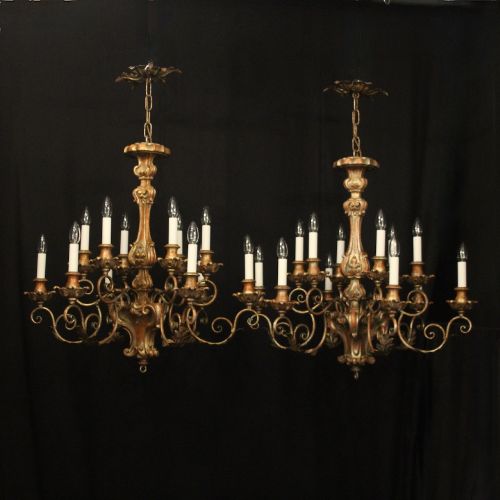
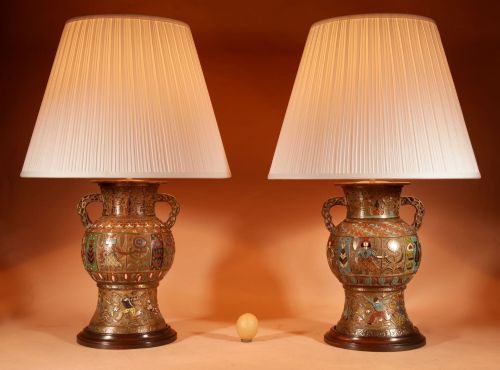
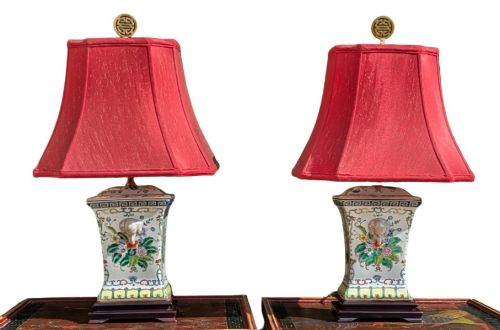
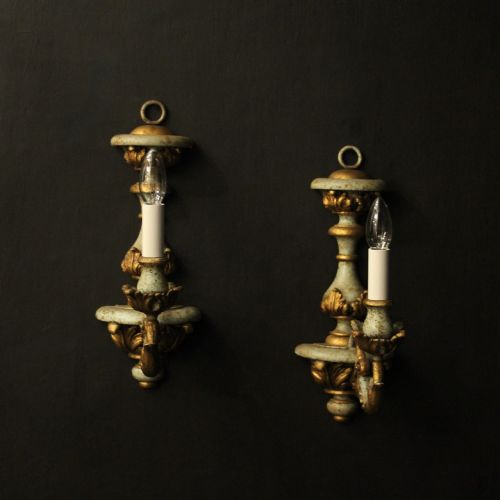
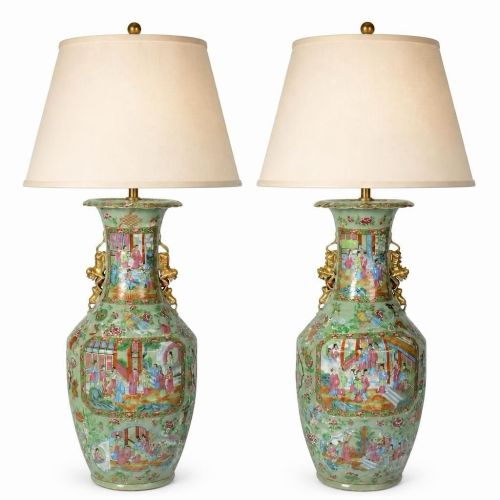
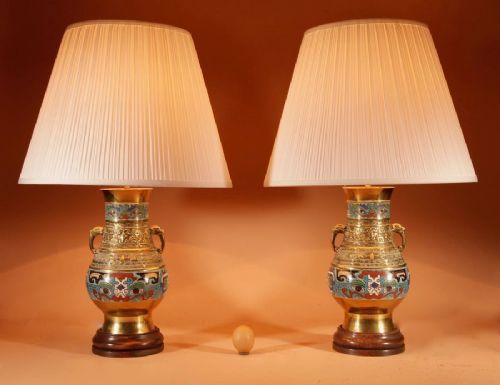
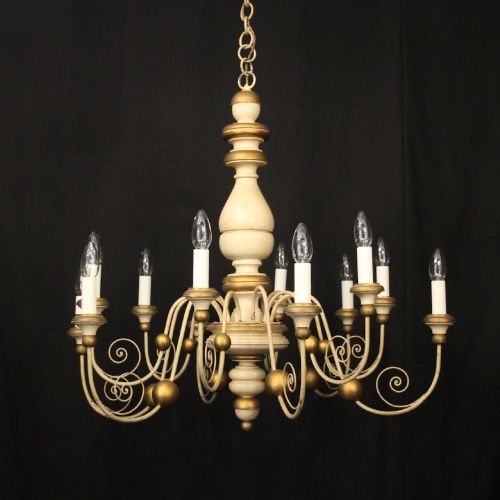
The most common forms on this page include Italian Florentine wall lights and chandeliers, French toleware fixtures, and Asian porcelain vases converted into table lamps. These pieces range from delicate Rococo revival candle sconces to substantial Japanese Satsuma and Chinese Famille Rose lamps.
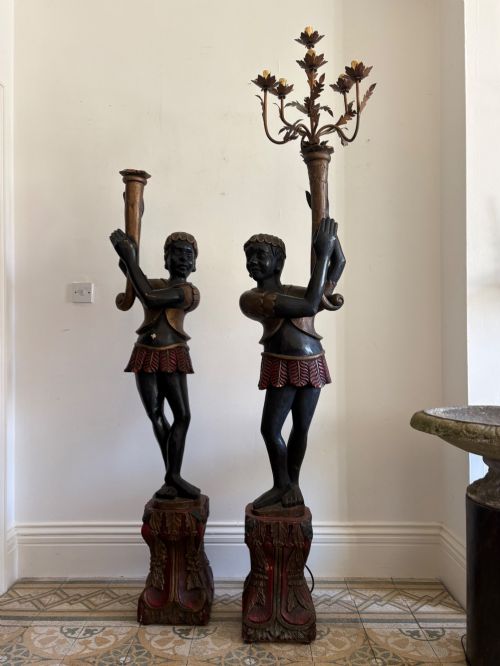
Makers and workshops from across Europe and Asia utilised diverse regional traditions, creating everything from carved wood figures to intricate champleve enamel work. The unifying element across all these objects is the application of multiple colours onto metal, ceramic, wood or glass.
Materials and technique
Makers applied polychrome decoration across a wide palette of base materials, combining porcelain, brass, bronze, spelter, wrought iron, carved wood and gesso. Techniques such as cold-painting, enamel champleve and hand-applied gold leaf allowed artisans to build complex, multi-toned surfaces on both metal armatures and ceramic bodies.
French toleware pieces demonstrate the use of painted sheet metal shaped into floral motifs for wall sconces and chandeliers, while Italian Florentine fixtures rely on carved wood finished with gesso and polychrome gilding. Chinese and Japanese ceramics utilise detailed enamel glazes fired onto porcelain or earthenware bodies before later conversion to table lamps.
Polychrome Lighting Retail Price Guide 2026
Typical asking prices for polychrome lighting among the pieces listed under this phrase on Sellingantiques today, from the lower quarter to the upper quarter. They describe what is for sale here now, not the wider market.
Materials documented across the pieces include carved wood, gesso, fabric, enamel and gold leaf.
Defining quality
The division between standard and exceptional pieces rests upon the precision of the hand-applied decoration and the integrity of the original surface. Finer examples display meticulous brushwork on porcelain and ceramics, or deeply chased detail beneath cold-painted bronze and enamel.
Structural harmony also separates the range, where balanced proportions in multi-light chandeliers and matched pairs of wall sconces reflect deliberate design. The survival of original gilding, untouched paint layers and authentic mounting hardware elevates an object above later modifications.
Franz Bergman·Meissen Porcelain·Sitzendorf
The Polychrome Lighting Glossary
- Toleware
- Painted or enamelled sheet metal items, often shaped into floral designs for chandeliers and wall lights. This technique was widely utilised in France for decorative domestic fixtures.
- Champleve
- An enamelling technique where troughs are sunk into a metal surface and filled with vitreous enamel powder before firing. Japanese and European makers applied this method to decorative lamps and vessels.
- Gesso
- A plaster-like mixture applied to carved wood surfaces as a base for paint and gold leaf. Italian Florentine workshops utilised this foundation for richly coloured chandeliers and wall sconces.
- Bocage
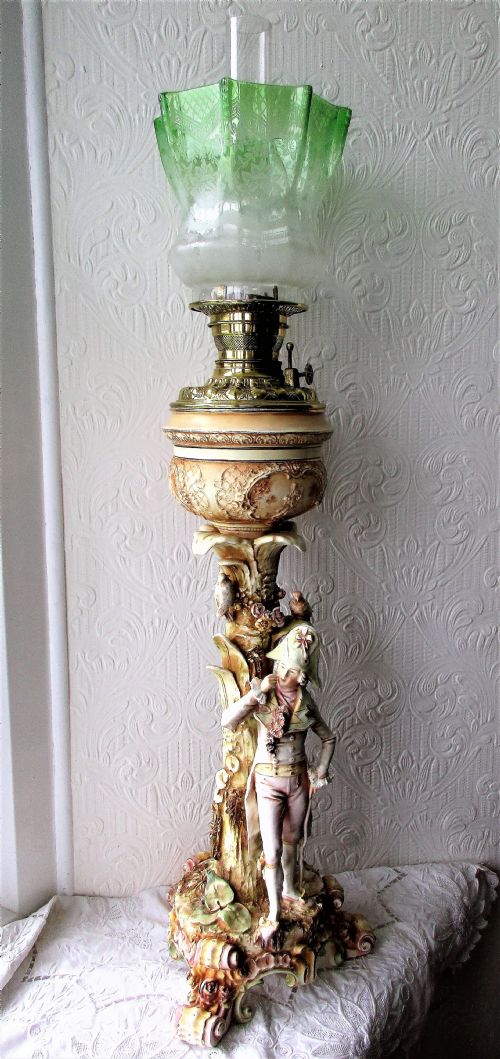
- A decorative background of carved or modelled foliage and flowers surrounding porcelain figures. This style appears on 18th century candlesticks and candelabras.
- Cold-painted
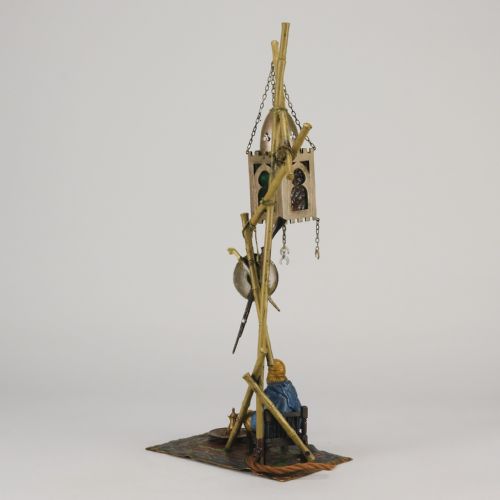
- A method where paint is applied to bronze or spelter figures without subsequent kiln firing. This technique allowed for delicate, detailed polychrome finishes on sculptural lamps and candlesticks.
Polychrome Lighting: Frequently Asked Questions
How do I install an antique chandelier?
Most hanging fixtures require secure ceiling joists and professional electrical installation to support the weight of iron or bronze frames.
Rewiring is frequently necessary for older pieces to meet modern safety standards while retaining original exterior fittings.
Were these table lamps originally electric?
Many ceramic table lamps started life as 19th century vases, ginger jars or figures before conversion in the 20th century.
Porcelain bodies from Chinese export or Japanese Meiji periods were adapted to hold electrical components.
How do I care for painted metal lighting?
Dust surfaces gently with a soft brush and avoid liquid cleaners that might damage delicate cold-painted finishes.
Preserving original patination requires keeping fixtures away from direct moisture and strong sunlight.
What defines Florentine lighting style?
Florentine pieces typically feature carved wooden frames coated in gesso, finished with applied gilding and painted floral details.
These multi-light chandeliers and wall sconces often display intricate scrollwork and vibrant colour palettes.