



Polychrome Delftware
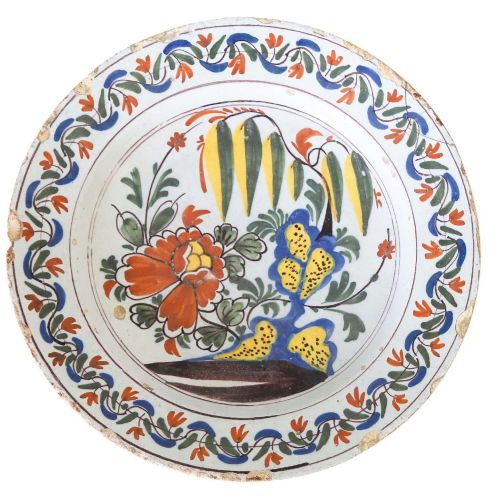
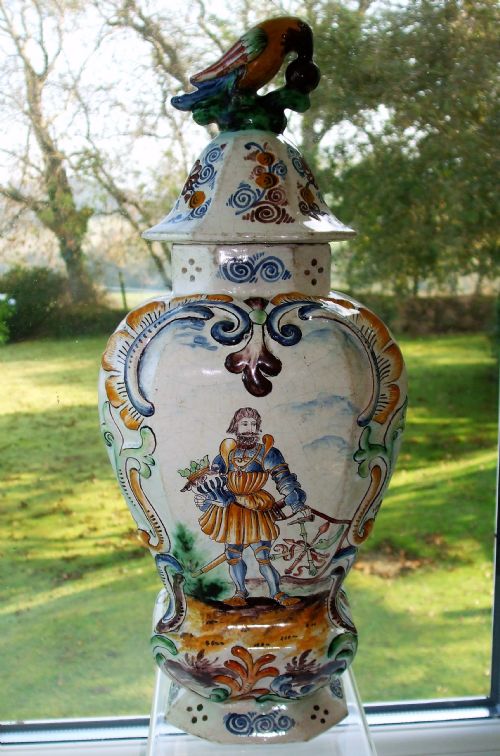
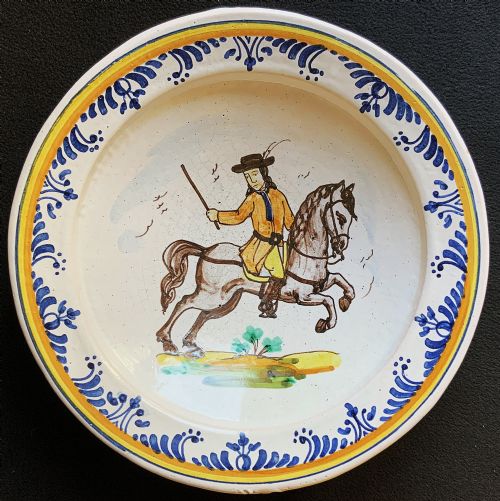
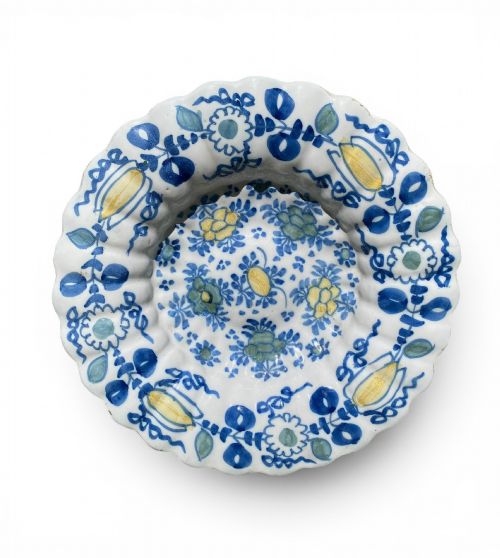
Polychrome delftware brings together tin-glazed earthenware and painted pigments to create chargers, plates, and vessels of lasting character.
Polychrome Delftware
Polychrome delftware covers tin-glazed earthenware objects carrying multi-coloured painted designs from the seventeenth, eighteenth, and nineteenth centuries.
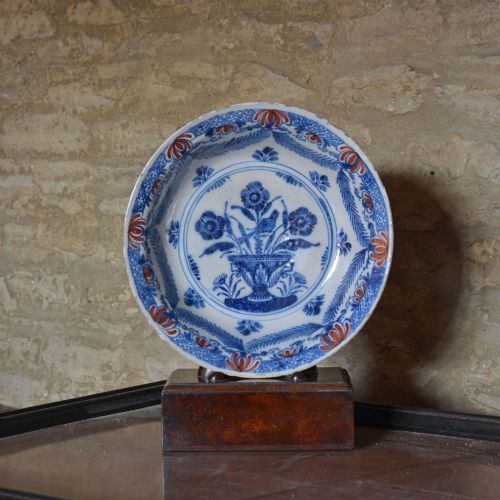
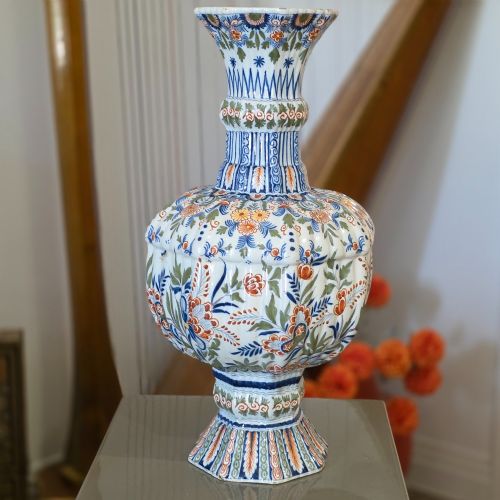
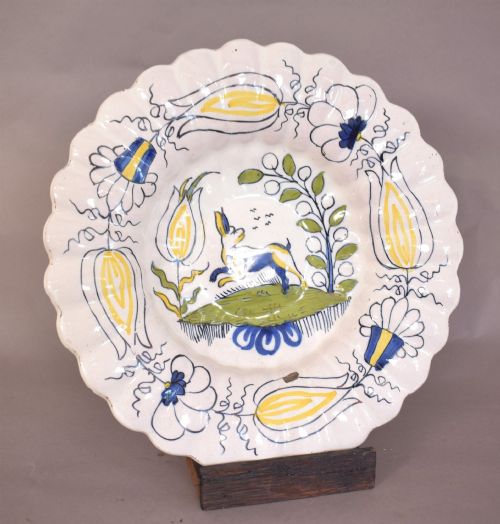
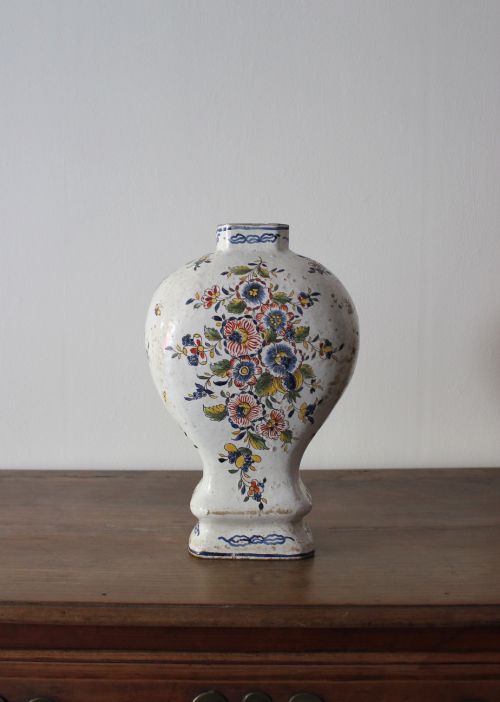
The selections available lean heavily toward eighteenth-century Dutch and English production, featuring large decorative chargers, plates, and vases.
Beyond wall chargers and tableware, collectors encounter smaller functional pieces like apothecary jars, snuff boxes, and coffee pots.
How they were made
Potters shaped clay bodies before applying an opaque tin glaze that provided a smooth, white canvas for subsequent painting.
Artists then applied mineral pigments directly onto the unfired or fired glaze, utilising hand-painted floral, geometric, and Chinoiserie motifs.
Polychrome Delftware Retail Price Guide 2026
Typical asking prices for polychrome delftware among the pieces listed under this phrase on Sellingantiques today, from the lower quarter to the upper quarter. They describe what is for sale here now, not the wider market.
Recorded forms include chargers, plates, vases, apothecary jars, tankards, and sweetmeat presentiers.
What varies in quality
Quality rests primarily in the crispness and complexity of the hand-painted brushwork across chargers and vessels.
The control shown in the tin glaze and the richness of the applied polychrome pigments separate standard domestic wares from ambitious studio pieces.
3 BELLS Drie klokken Factory·APK
The Polychrome Delftware Glossary
- Tin-glazed earthenware
- Pottery covered with a lead glaze made opaque by the addition of tin oxide. This creates the characteristic white background typical of delftware.
- Charger
- A large decorative plate or dish intended for display on walls or sideboards rather than heavy dining use. These often carry the most ambitious polychrome painting.
- Chinoiserie
- European decorative motifs inspired by Chinese art and porcelain designs. These patterns appear frequently on eighteenth-century plates and dishes.
- Grand Feu
- A firing technique where colours are applied directly to the raw glaze and fired together at high temperatures. This fuses the pigments into the surface for lasting vibrancy.
- Manganese
- A dark purple or brown metallic pigment used by potters for outlining designs or adding deep contrasting tones to polychrome palettes.
Polychrome Delftware: Frequently Asked Questions
What is polychrome delftware?
Polychrome delftware consists of tin-glazed earthenware objects decorated with multiple coloured pigments rather than traditional blue and white painting.
These pieces range from chargers and plates to vases and apothecary jars originating primarily from Dutch and English workshops.
How were these pieces used?
Larger chargers and plaques served mainly as decorative wall displays or centrepieces in homes across the seventeenth and eighteenth centuries.
Smaller vessels like jugs, coffee pots, and snuff boxes held liquids, dry goods, or personal items during daily use.
How do I live with delftware?
These ceramic pieces suit careful display on walls, plate racks, or enclosed shelving away from heavy foot traffic.
Dust them gently with a dry cloth and keep them away from moisture to protect the historic tin glaze.
How are periods told apart?
Seventeenth-century examples often display heavy Dutch Baroque influences, while eighteenth-century items frequently feature English Chinoiserie or floral patterns.
Nineteenth-century pieces tend to show heavier potting techniques and broader German or Dutch stylistic revivals.