


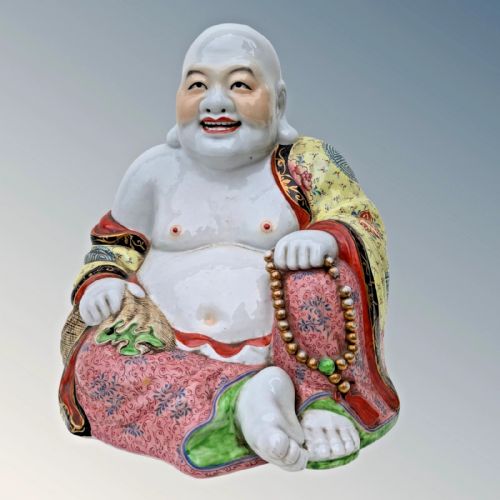

Polychrome Chinese Ceramic Figures
These polychrome chinese ceramic figures bring vivid colour and rich narrative to any room through centuries of skilled kiln work.
Polychrome Chinese Ceramic Figures
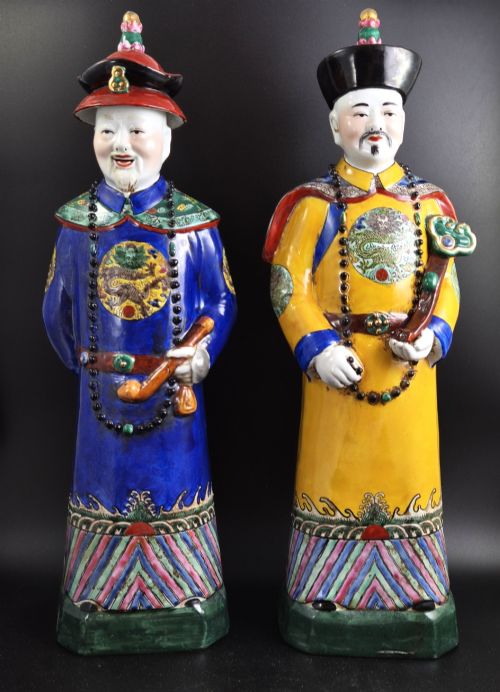
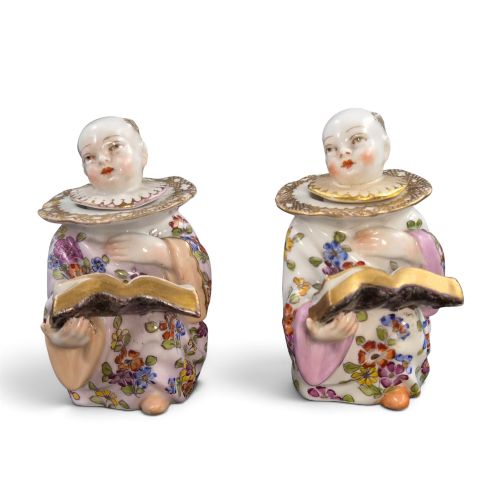
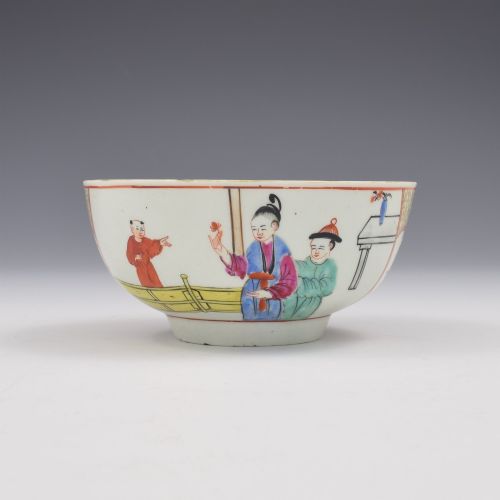
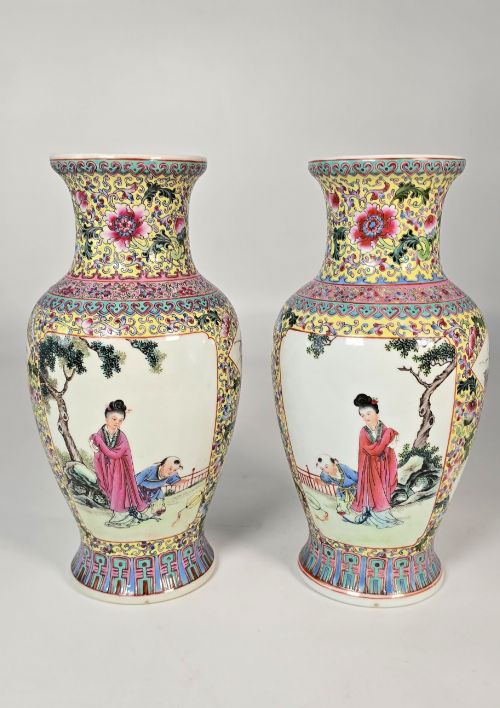
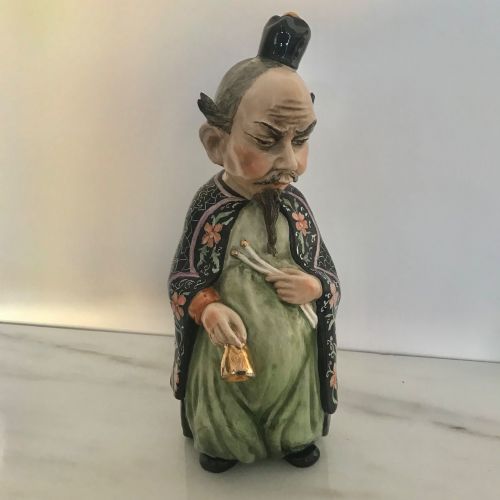
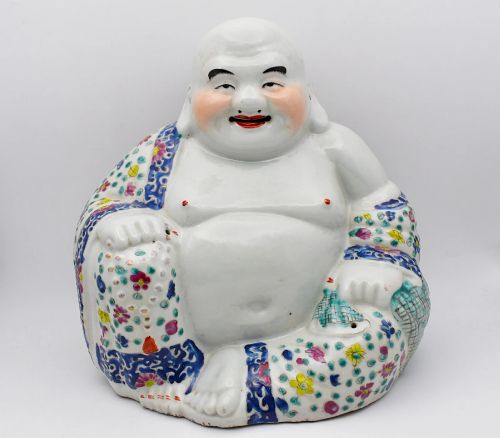
Polychrome chinese ceramic figures encompass a diverse range of objects from utilitarian tableware and snuff bottles to decorative sculptures, statues and vases. Buyers searching this phrase encounter everything from early pottery horses to delicate porcelain immortals, laughing buddhas and figural inkwells.
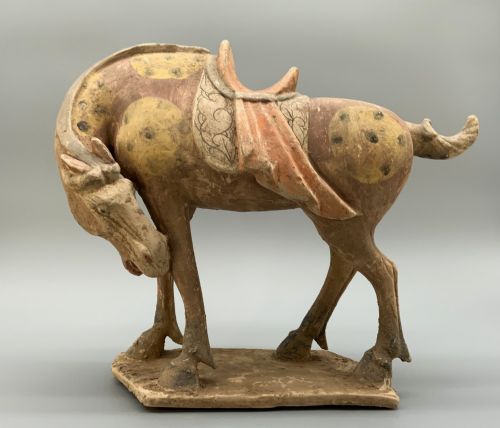
The material record spans centuries, drawing heavily on pieces from the eighteenth, nineteenth and twentieth centuries, alongside reproductions in older styles such as Tang Dynasty pottery and Ming style sancai glaze. Qing Dynasty pieces and Chinese Republic Period works dominate the physical forms seen on this page.
Figures often depict traditional motifs, scholars, officials, boys and deities, executed in various formats including pairs, lamps, brush pots and standalone figurines. The range extends from European interpretations like Edmé Samson, Worcester and Bow porcelain to authentic Chinese output.
Materials and Techniques
Makers shaped these pieces from ceramic, earthenware, soft-paste porcelain and standard porcelain, applying glazes, overglaze enamel and gold leaf for surface detail. Hand enamel decoration and sancai glaze techniques provide the characteristic multicoloured palette found across the listings.
Wood mounts and bases occasionally support the ceramic bodies, while specialised kilns achieved the distinct families of colour such as Famille Rose and Famille Verte. Firing temperatures and pigment application determined whether the colours merged into the glaze or sat crisply on top.
Listings span multiple centuries, incorporating eighteenth-century export wares, nineteenth-century Qing dynasty Famille Rose pieces, and twentieth-century Republic period vases.
Markers of Quality
Quality rests in the precision of the hand enamel painting and the crispness of the moulded or sculpted detail in the clay or porcelain body. Master painters achieved nuanced expressions and intricate robes that distinguish superior works from simpler, mass-produced commercial outputs.
The choice and stability of the glaze define the tactile appeal, where smooth, even coverage without firing blemishes elevates a piece. Historical consistency, correct period pigments and structural integrity of the ceramic or soft-paste body further divide ordinary items from exceptional survivals.
Edmé Samson·Zhu Mao Ji·Gao Hengsheng·Fujian Huiguan
The Polychrome Chinese Ceramic Figures Glossary
- Polychrome
- Decorated in several colours. This term describes ceramics utilising a varied palette of enamels or glazes rather than a single tone.
- Famille Rose
- A major palette of Chinese ceramic enamels introduced in the Qing dynasty. It is distinguished by its predominant opaque pink or rose colour derived from colloidal gold.
- Famille Verte
- A Chinese porcelain palette dominated by green enamel. It developed during the Kangxi period and includes contrasting iron red, yellow, and blue.
- Sancai
- Three-colour glaze technique used widely in Chinese pottery. The term typically covers lead-glazed ceramics featuring combinations of amber, green, and creamy white.
- Mandarin Pattern
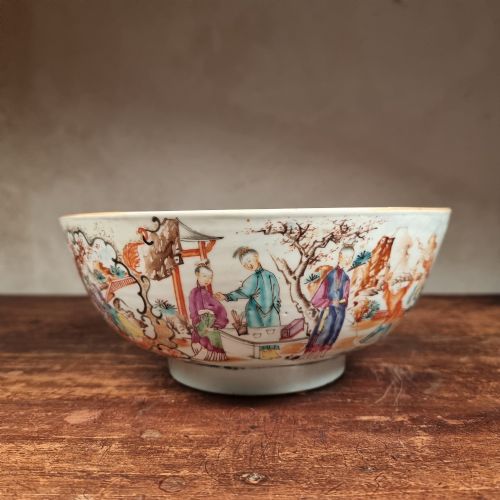
- A European term for eighteenth-century Chinese export porcelain painted with figures in garden or interior settings. These scenes often feature court officials and attendants in detailed robes.
Polychrome Chinese Ceramic Figures: Frequently Asked Questions
How do I care for antique ceramic figures?
Keep these pieces away from direct sunlight to protect delicate overglaze enamels and gold leaf details from fading over time. Dust them gently with a soft, dry brush rather than using water or cleaning agents that might harm the glaze.
Ensure they sit on stable, level surfaces where vibration cannot cause tipping, particularly for taller sculptures and vases. Handle them infrequently and support the base directly rather than lifting by protruding limbs or delicate accessories.
What is the difference between Famille Rose and Famille Verte?
Famille Rose relies on an opaque pink enamel introduced during the Qing dynasty, allowing for soft tonal shading in robes and floral elements. This palette often includes yellows, turquoise and deep reds.
Famille Verte is defined by its vibrant green enamel dominance, originating earlier in the Kangxi period alongside contrasting iron red and blue tones. The visual effect of green families is typically brighter and more translucent than the later rose palette.
Are sancai glazed figures always ancient?
Authentic sancai pottery dates back to early dynasties such as the Tang, featuring lead-glazed earthenware buried in tombs. These early pieces show specific age-related crazing, soil encrustation and weathering.
Later revival pieces, such as those made in the Ming style during the twentieth century, replicate the iconic multi-colour lead glazes on newer ceramic bodies. Examining the weight, paste and foot rim helps distinguish ancient originals from later homages.
Why do some European factories feature Chinese figures?
Eighteenth-century European potteries like Worcester and Bow eagerly copied imported Chinese porcelain designs to satisfy fashionable domestic demand for chinoiserie. Artisans painted mandarin patterns and figures onto soft-paste bodies to mimic Eastern luxury goods.
Later makers such as Edmé Samson continued this tradition in the nineteenth century by producing direct revival pieces inspired by earlier Asian forms and palettes.