
Pocket Watch with Fob
A pocket watch with fob brings together practical timekeeping and decorative metalwork from the Victorian era down to the 1930s.
Pocket Watch with Fob
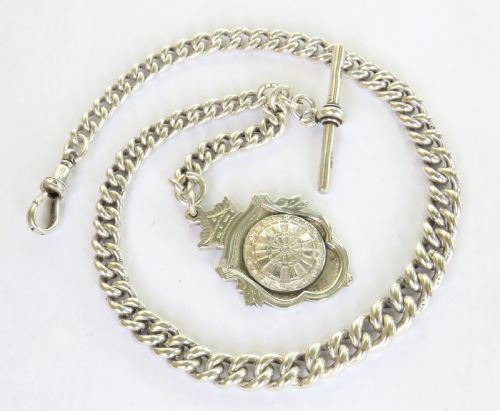
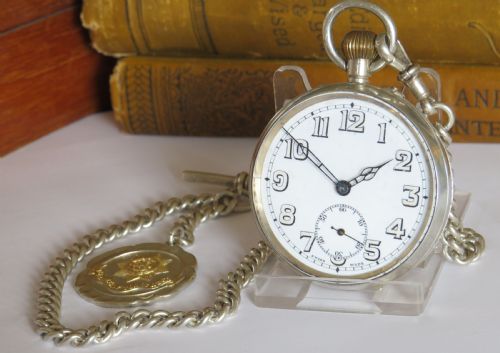
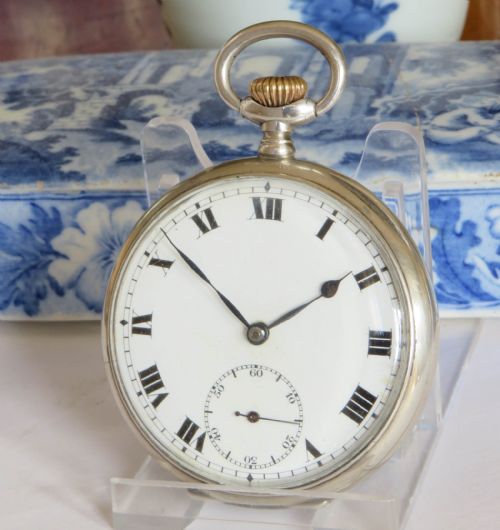
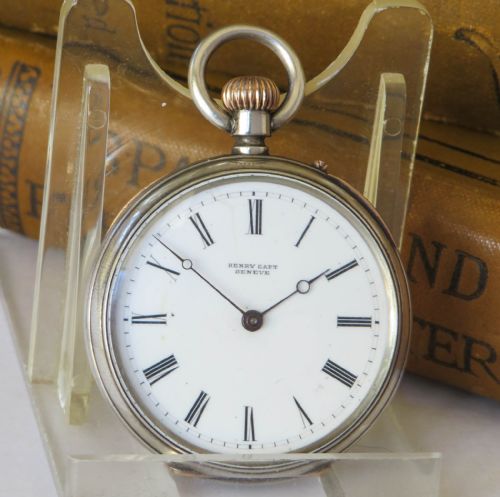
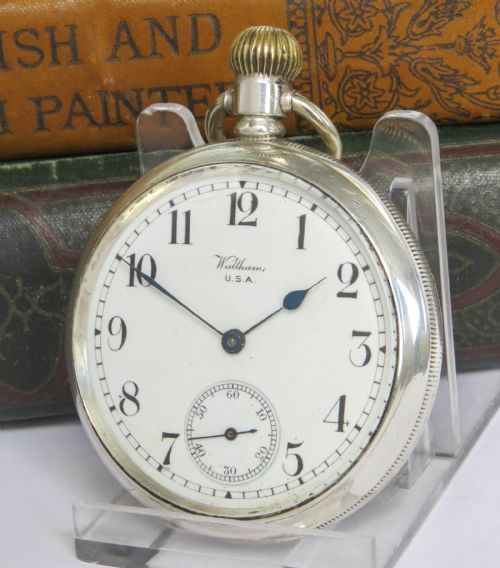
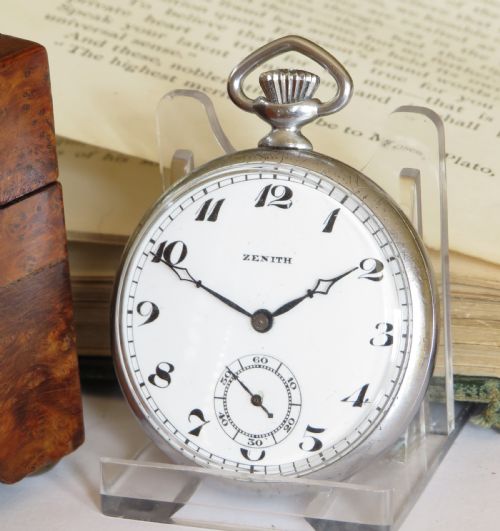
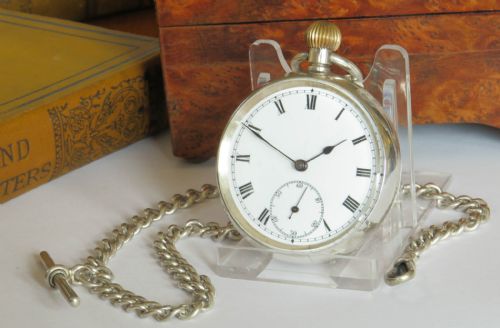
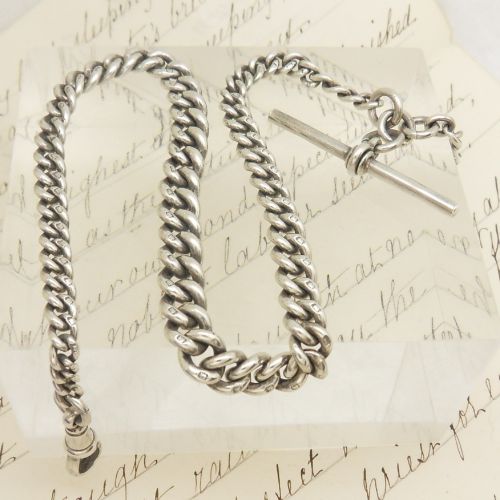
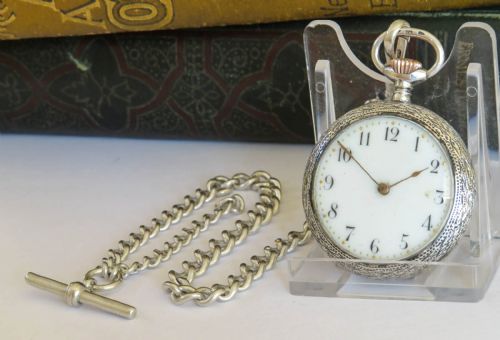
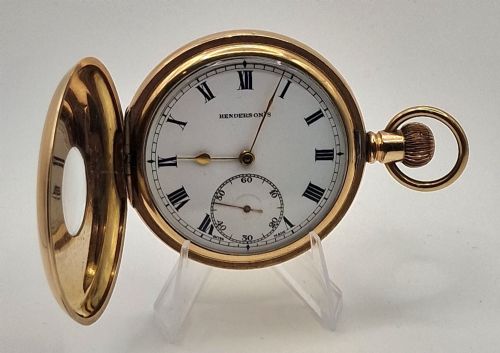
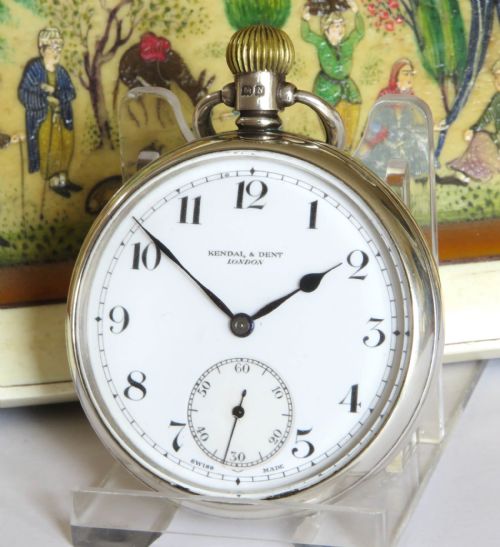
A pocket watch with fob comprises a portable timepiece paired with a matching chain, T-bar and decorative pendant designed for waistcoats or pockets. You will encounter silver and gold examples spanning the Victorian and Edwardian periods up to the 1930s, often including full hunter or open faced designs alongside associated items like compasses.
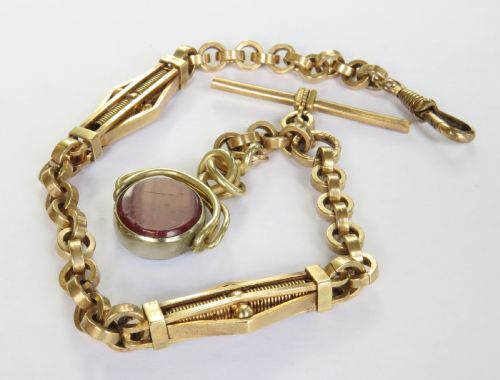
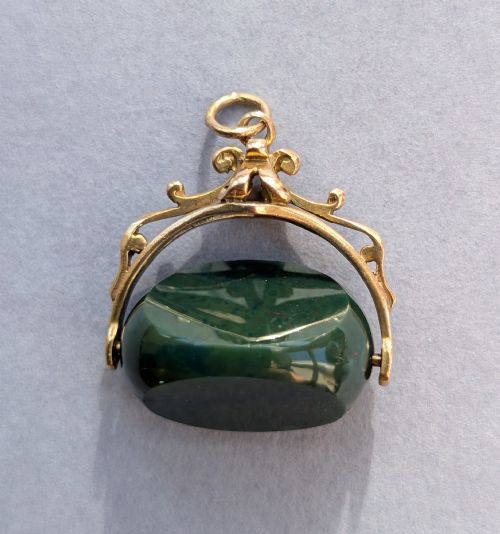
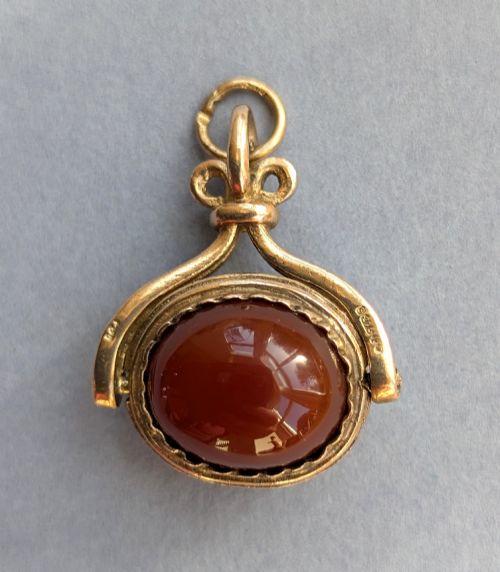
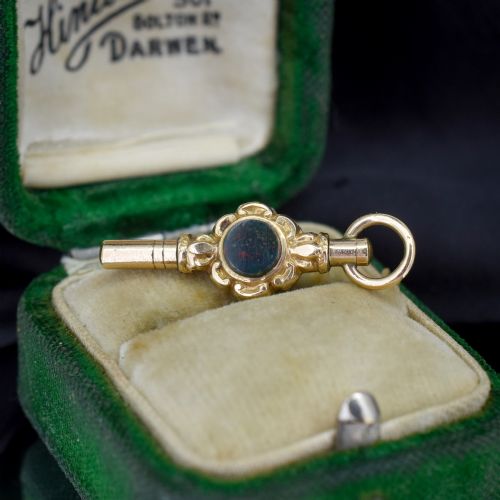
The objects combine functional watch movements with diverse chain links such as Albert, Albertina and trombone styles. Pieces range from plain utility items to elaborate sets carrying bloodstone swivel fobs, tassels or seals.
Materials and Construction
Pieces utilise sterling silver, 9ct and 18ct gold, alongside brass, steel, nickel and rolled gold for the chains and watch cases. Glass protects the watch dials while enamel frequently decorates the casing or dial faces.
Casting, chasing and hand engraving shape the metal components, with intricate links soldered or woven together by hand. Mechanical watch movements rely on precision steel and brass gears housed within outer metal shells.
Quality and Craftsmanship
The distinction between ordinary and superior pieces rests on the weight and integrity of the precious metals used throughout the chain and watch case. Solid sterling silver and heavy gold constructions command greater attention than plated or base metal alternatives.
Refinement in surface decoration dictates value, seen in crisp floral engraving on watch faces, substantial fob stones like bloodstone, and complex chain link patterns such as double alberts or love knots rather than simple stamped links.
Waltham·Urania·Omega·Horos·Doxa·Electa·J W Benson
The Pocket Watch with Fob Glossary
- Albert chain
- A heavy watch chain designed to pass through a waistcoat buttonhole, secured with a T-bar. It is named after Prince Albert.
- Albertina
- A finer, daintier version of the Albert chain, often featuring multi-strand construction and worn traditionally by women.
- Full hunter
- A pocket watch featuring a spring-loaded metal cover that protects the glass dial from scratches.
- T-bar
- The small horizontal metal bar attached to the middle of a watch chain used to anchor it through a buttonhole.
- Fusee
- An antique mechanical movement controlling the pull of the mainspring to ensure even tension and accurate timekeeping as the spring unwinds.
Pocket Watch with Fob: Frequently Asked Questions
How do you wear a pocket watch with fob?
The watch sits securely inside a waistcoat or jacket pocket while the attached chain drapes across the front. The T-bar slips through a central buttonhole to anchor the entire assembly in place.
The dangling fob hangs freely from a separate short drop chain or sits near the buttonhole as a decorative counterweight.
What is the difference between open faced and hunter watches?
An open faced watch exposes the glass dial directly to the air without any protective metal cover in front. This allows for quick time checks at a glance.
A full hunter watch incorporates a hinged metal lid that conceals and protects the dial until you press a release button on the crown.
How do I identify the period of a watch chain?
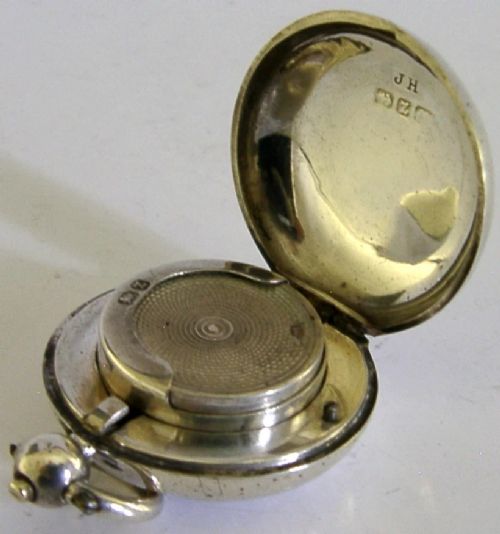
Victorian and Edwardian chains frequently employ heavier solid sterling silver or gold links paired with bloodstone or sardonyx swivel fobs. Hallmarks stamped onto the metal provide exact assay office dates.
Later pieces from the 1920s and 1930s often adopt Art Deco geometric motifs or cleaner lines alongside alternative materials like nickel and rolled gold.
What are all the extra items attached to the chain?
Chains often hold functional accessories such as miniature compasses, keys for winding fusee movements, or engraved seals for stamping wax. Tassels and decorative stone fobs served purely aesthetic purposes.
These additions reflect the personal tastes and practical needs of the original owner during the nineteenth and early twentieth centuries.