

Pocket Watch Case
When you handle a pocket watch case, you hold a tangible piece of daily life from centuries past.
Pocket Watch Case
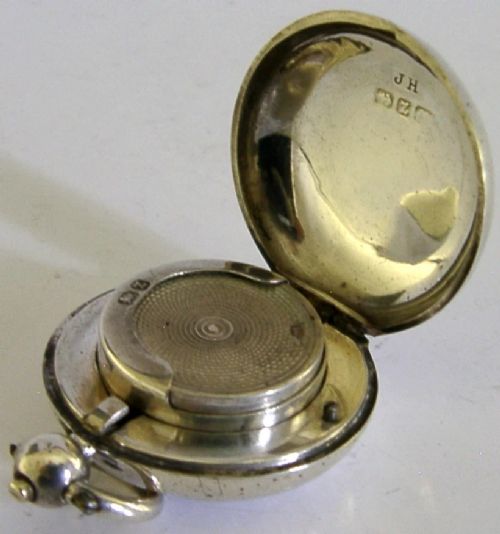
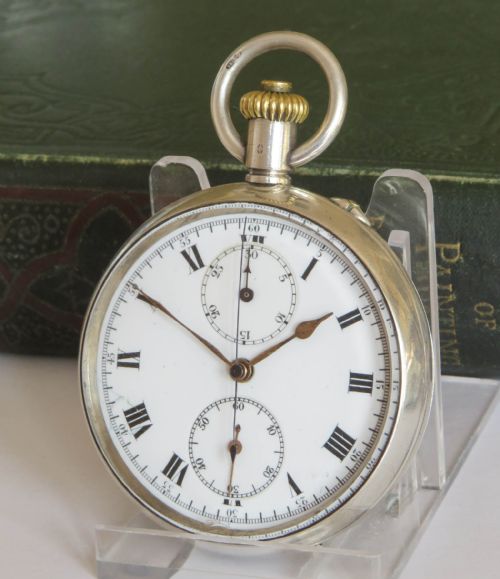
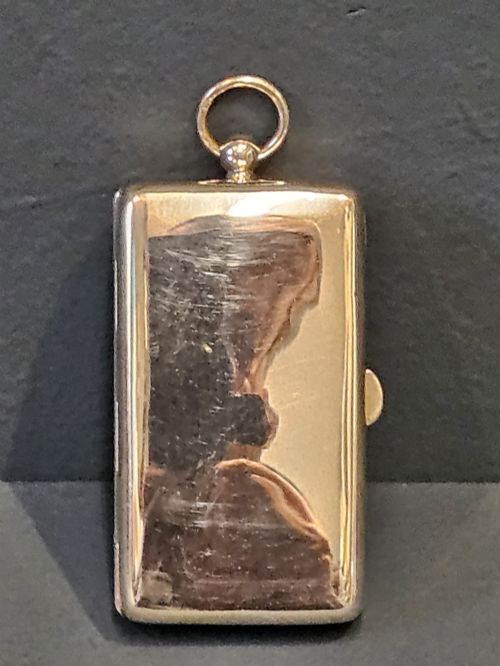
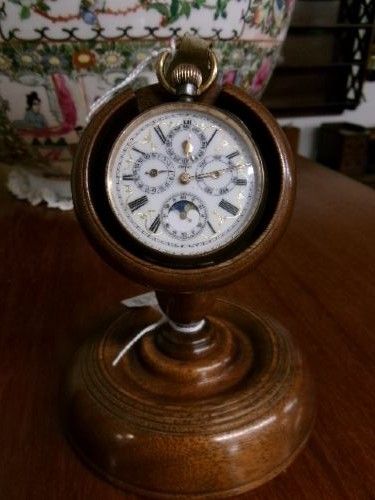
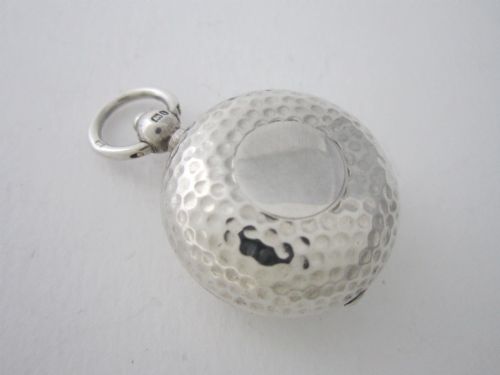
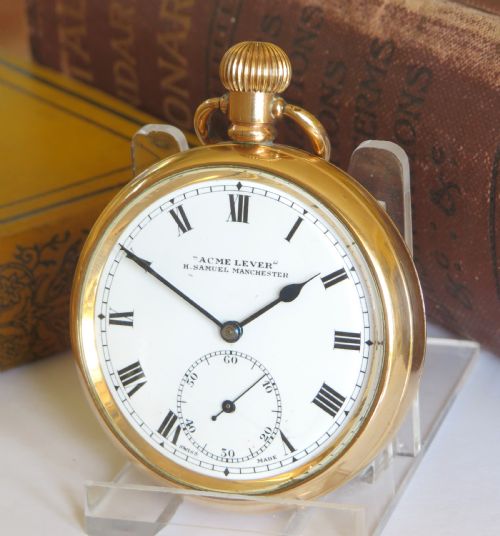
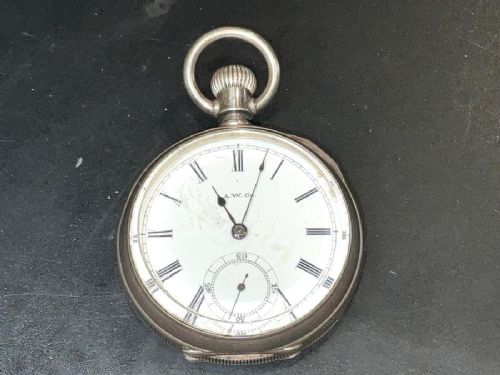
A pocket watch case encompasses protective outer shells, pair cases, and dedicated holders like sovereign cases and vesta cases associated with pocket watches. These items span from the eighteenth century through the Victorian and Edwardian eras into the mid-twentieth century, including military and Art Deco designs.
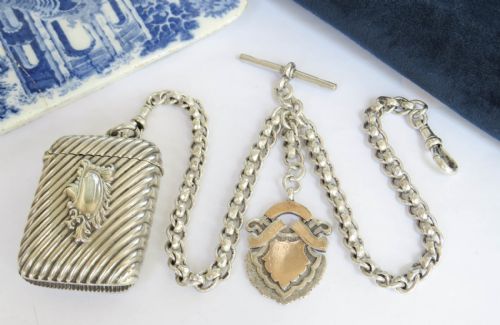
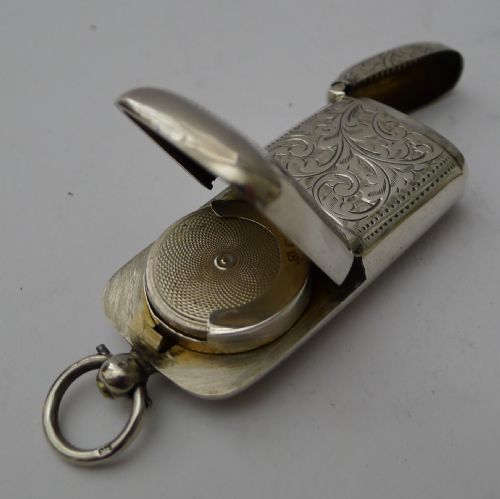
The version most commonly met on this page is the sterling silver pocket watch case or sovereign case dating from the late nineteenth and early twentieth centuries. These encompass hunter designs, half hunters, and pair cased examples in silver, gold, and brass.
Materials and construction
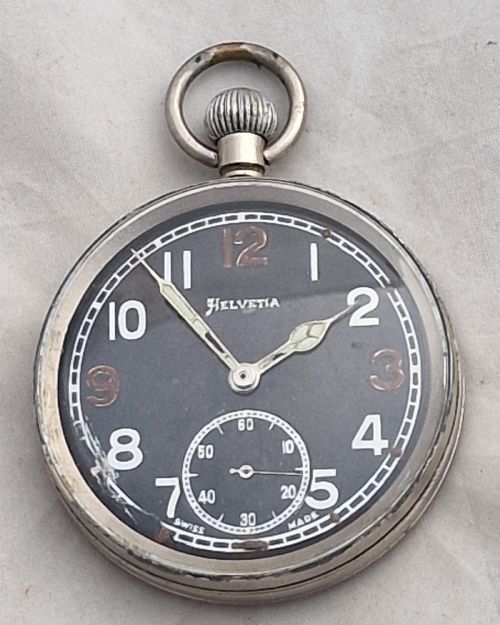
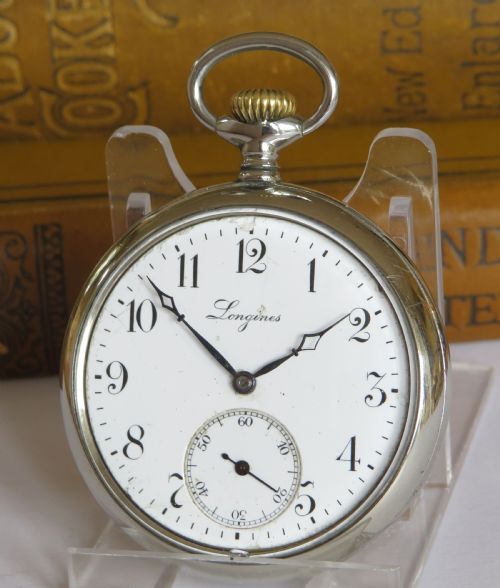
Makers utilised metals such as sterling silver, gold, gold plate, brass, gun metal, and steel, occasionally combining them with glass, enamel, agate, and painted horn. Construction methods involved pairing protective outer cases with inner movements, or crafting solid enclosures for coins and matches.
Engraving, champlevé dials, and back painted horn decorate the exteriors, while hallmarks stamp the origin and silver purity on British pieces. Cases house mechanisms ranging from verge movements to lever pocket watches and travel clocks.
Listings span from the eighteenth century to the 1940s, featuring silver, gold plate, brass, and enamel.
Craftsmanship and condition
Quality rests in the crispness of the chasing, the precision of the maker's mark, and the integrity of the hinges and closures. Superior examples retain their original gilding, clear hallmarks, and undamaged enamel or glass panels.
Weight and metal gauge separate standard utility pieces from workshop output intended for wealthy patrons or specific military contracts. The harmony between the inner movement and the outer case dictates the desirability of older pair cased specimens.
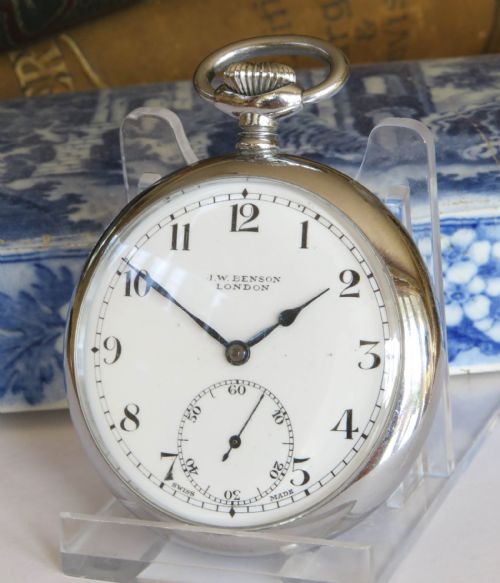
Aaron Lufkin Dennison·J W Benson·Mappin & Webb·Crisford & Norris·Eastern Watch Case Co
The Pocket Watch Case Glossary
- Pair cased
- An eighteenth-century style featuring an inner movement case housed inside a removable outer protective case. This double construction offered extra defence against dust and damage.
- Full hunter
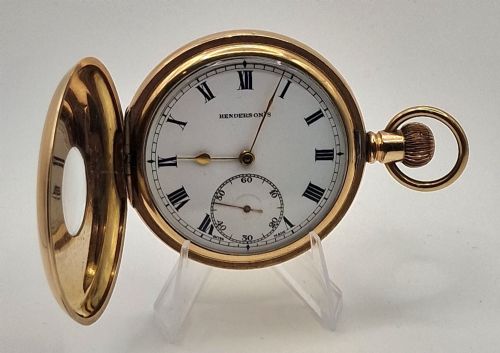
- A pocket watch design featuring a spring-loaded metal cover that protects the glass dial from scratches. The cover opens via a button wind mechanism.
- Half hunter
- A pocket watch case featuring a small glass or open aperture in the centre of the outer cover. This allows the user to read the time without opening the case.
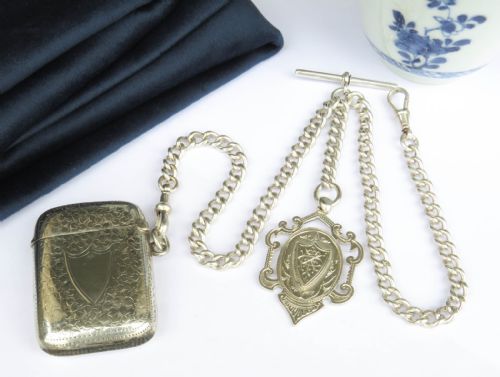
- Vesta case
- A small pocket container designed to hold matches, frequently styled alongside watch chains and sovereign holders in silver. They often share matching hallmarks with contemporaneous pocket watch cases.
- Verge
- An early type of mechanical escapement used in eighteenth-century watches. It regulates the release of power from the mainspring.
Pocket Watch Case: Frequently Asked Questions
What is a pair cased pocket watch?
A pair cased pocket watch utilises two separate fitted cases, an inner one holding the movement and an outer one for protection. This method dates back to the eighteenth century.
The design protected delicate mechanisms from dirt and impacts during daily wear, prior to the adoption of single dust-resistant cases.
How do I identify a silver sovereign case?
Sovereign cases are small, pocket-sized containers engineered to hold gold sovereign and half-sovereign coins securely. They often incorporate spring mechanisms and suspension loops for watch chains.
Many feature British hallmarks that reveal the assay office and year of manufacture, alongside maker marks from silversmiths.
How do I care for antique metal watch cases?
Keep silver and gold cases away from harsh chemical cleaners and abrasive cloths that wear away historical engraving and hallmarks. Gentle cleaning with a soft microfiber cloth maintains the surface.
Store them in dry environments away from direct sunlight to preserve delicate enamel, horn, and internal linings.