




Platinum Toi Et Moi Ring
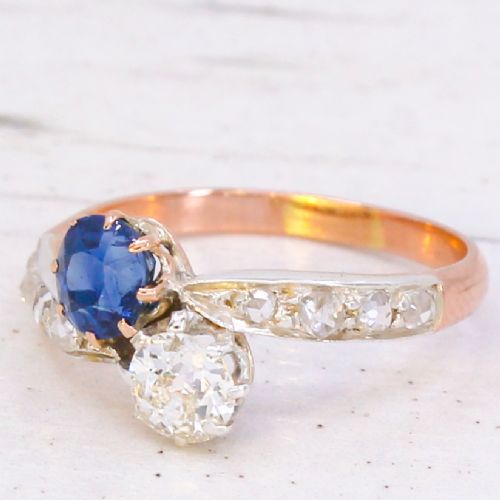
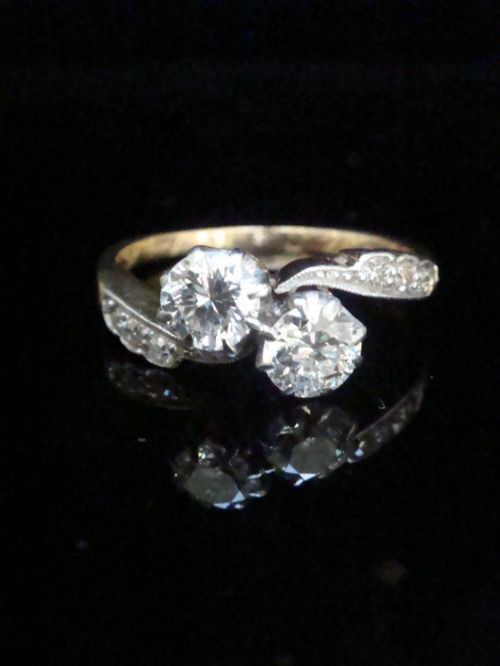
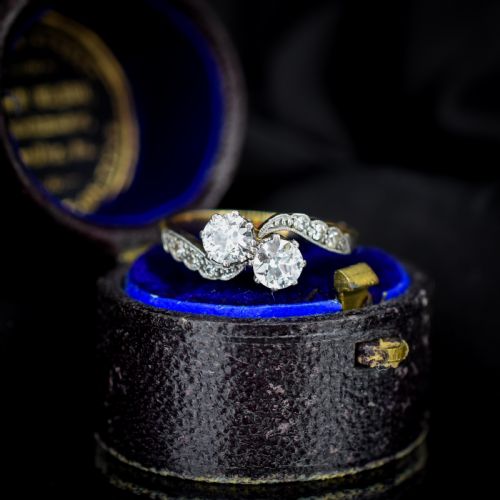
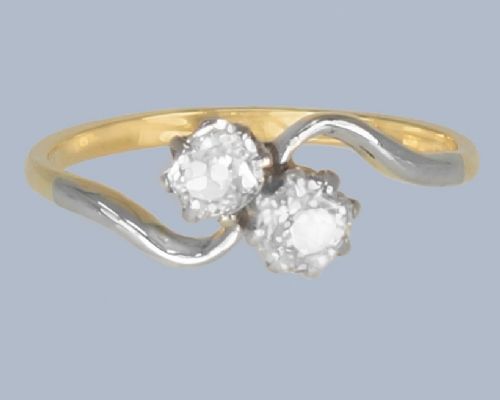
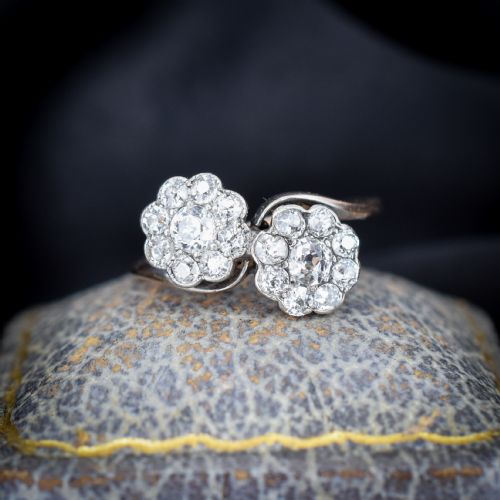
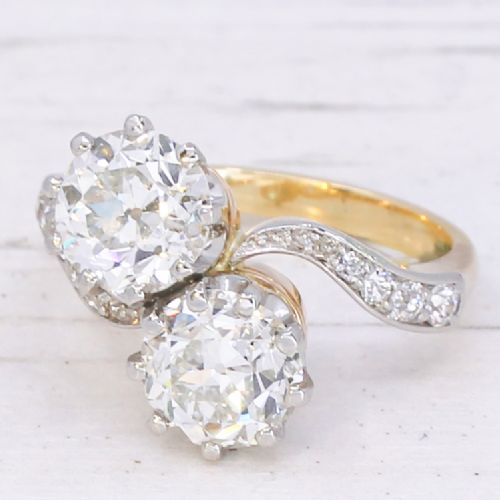
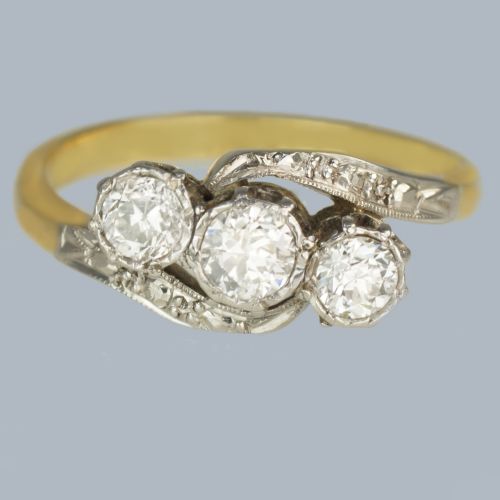
A platinum toi et moi ring brings together two stones in a single symbolic setting that speaks directly of union and romance.
Platinum Toi Et Moi Ring
A platinum toi et moi ring places two primary gems side by side in a crossover or twist formation, representing two souls intertwined. When you examine this selection, you encounter pieces spanning from the nineteenth century through the Edwardian, Belle Epoque, and Art Deco eras, extending into mid-century designs. Most examples pair diamonds with each other or with coloured stones such as sapphires, opals, natural pearls, rubies, and emeralds.
The setting relies heavily on platinum, frequently combined with eighteen-carat yellow gold, white gold, or fourteen-carat gold. Edwardian and Art Deco iterations dominate the selection, showcasing old cut diamonds alongside geometric platinum work. The two-stone configuration serves primarily as an engagement ring or a token of affection, designed to sit snugly on the finger with a flowing, dynamic outline.
Materials and Construction
Makers utilised durable platinum to build secure, delicate settings that could hold old European, old mine, or transitional cut diamonds without excessive metal bulk. This strong white metal allowed artisans to form slender crossover shoulders and intricate millegrain edges that reflect light around the stones.
The incorporation of eighteen-carat gold and white gold provided contrasting warmth or a unified silvery tone beneath the platinum heads. Gemstones including natural pearls, blue sapphires, and rubies were secured alongside diamonds using traditional claw and bezel techniques developed across the Edwardian and Art Deco periods.
Listings feature pieces spanning from the nineteenth century through the Edwardian, Art Deco, and mid-century periods.
Distinctions in Standard
The excellence of a piece rests upon the harmony and proportion of the two principal gems and the fluidity of the twist. Superior examples display stones of matched presence and complementary colour that flow naturally into the shoulders rather than appearing forced together.
Craftsmanship in the metalwork dictates the finer tier, seen in crisp hand-piercing, precise millegrain, and the secure integration of platinum over gold shanks. The integrity of the original old cut stones and the preservation of delicate Edwardian or Art Deco detailing elevate an item above standard production.
The Platinum Toi Et Moi Ring Glossary
- Toi et Moi
- You and me in French, describing a ring design featuring two main stones set closely together as partners. This configuration became popular for romantic and engagement jewellery.
- Crossover
- A ring style where the shank sweeps up and crosses over itself to hold the gemstones. It creates a dynamic twist silhouette on the hand.
- Old Cut
- A diamond faceting style shaped by hand before modern brilliant cutting standards were established. These stones exhibit smaller tables and higher crowns, producing a soft candlelit sparkle.
- Millegrain
- A decorative technique involving tiny raised beads of metal along the edges of a setting. It adds a refined, textured border typical of Edwardian and Art Deco jewellery.
- Belle Epoque
- A stylistic period spanning the late nineteenth century and the years leading to the First World War. It is characterised by light, garland-style platinum mounts and abundant diamond work.
Platinum Toi Et Moi Ring: Frequently Asked Questions
What does toi et moi mean?
The phrase translates from French as you and me, denoting a ring style featuring two distinct stones.
This pairing traditionally symbolises two people joined together, making it a favoured choice for historic engagement rings.
How do I date these rings?
Dating relies on stylistic clues such as the geometry of Art Deco work or the delicate openwork of the Edwardian era.
Metal combinations, such as platinum set over yellow gold, also help place a piece within its historical decade.
Are these rings suitable for daily wear?
Most historic examples are robust enough for regular wear provided the settings and claws are checked periodically.
Care should be taken with softer organic gems like natural pearls or opals, which require gentle handling compared to diamonds.
Why is platinum common in these pieces?
Platinum offered the necessary strength to create fine, secure settings without adding heavy metal weight.
Its naturally white colour also complemented the brilliance of old cut diamonds without requiring rhodium plating.